


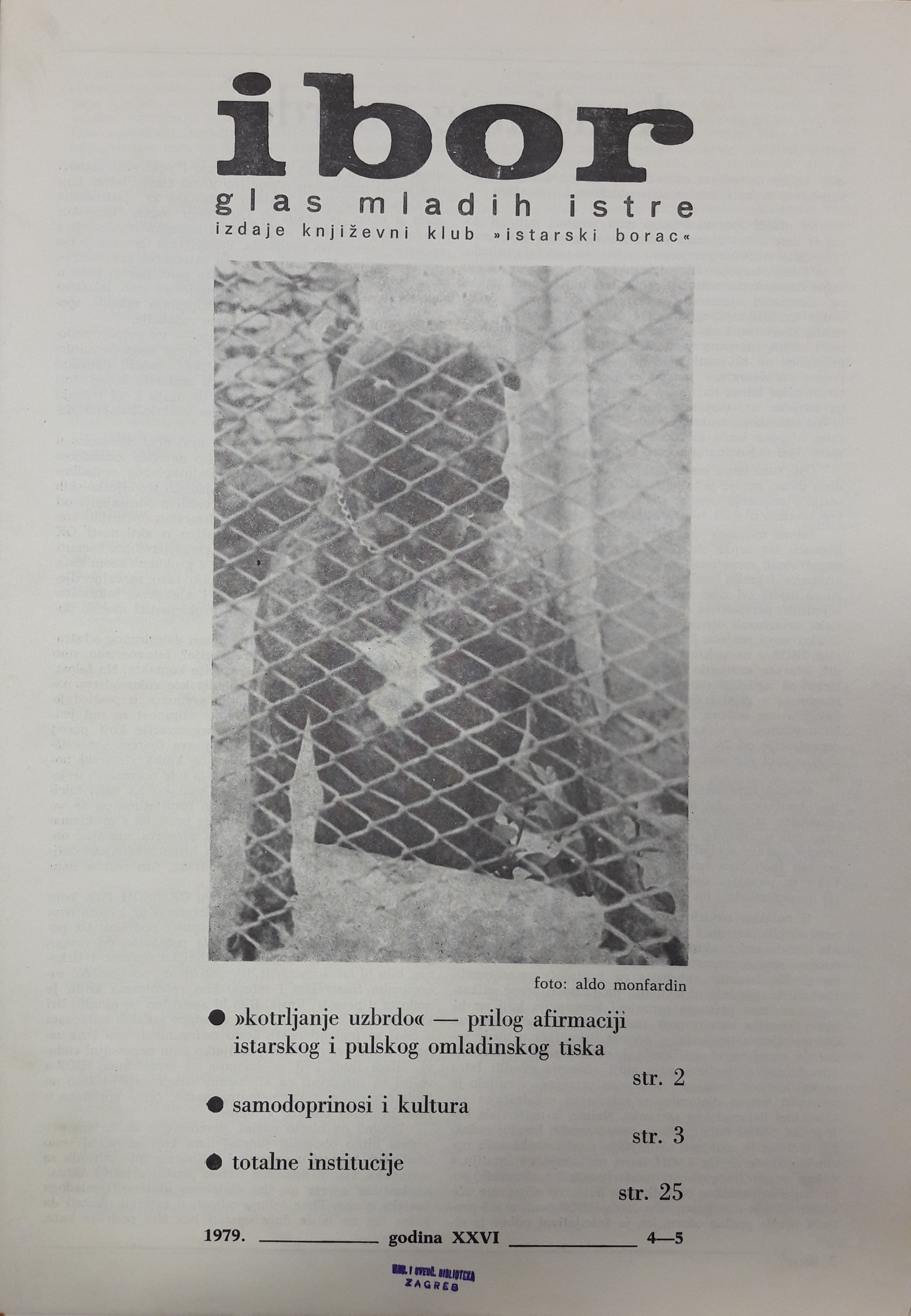
 Istrian Fighter Digital Collection
The Istrian Fighter Digital Collection is available at the University Library of Pula website. It is the collection of the first Croatian youth journal Istrian Fighter/IBOR, which was published in Pula from 1953 to 1979 (with two minor interruptions). The journal was published by the Istrian Fighter Literary Club with the objective of preserving the Croatian language in Istria. The journal developed a reputation as a critical media in the 1970s, covering more and more cultural, local and social themes whose tone was not well-received by the socialist authorities, so the financing of the journal was cancelled in 1979 after which it ceased publication.




 Milan Hübl Collection
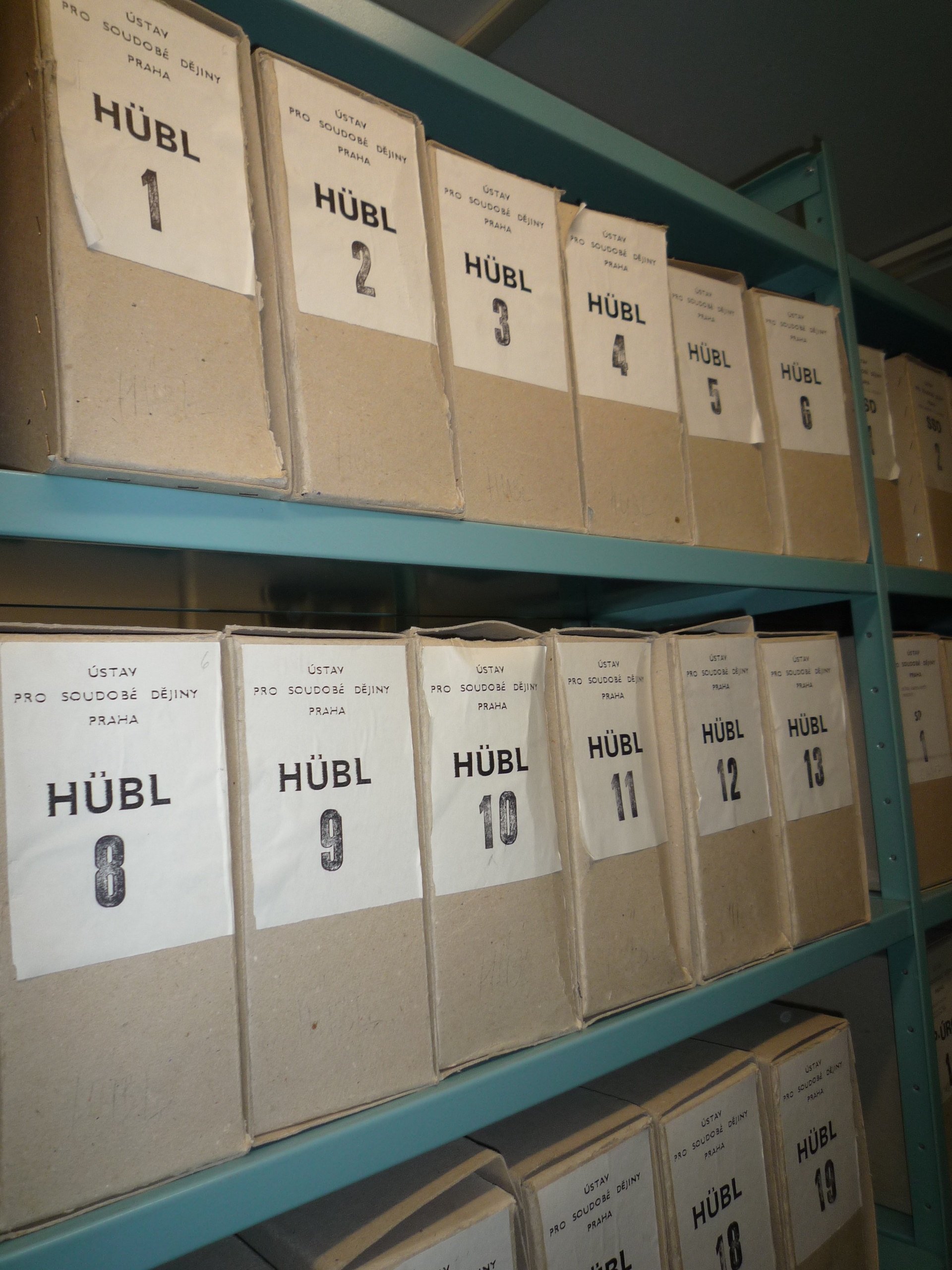
This collection of the historian, teacher and politician Milan Hübl consists of a unique collection of archive materials, which includes the correspondence and documentation of the Political University of the Central Committee of the Communist Party of Czechoslovakia, and a large collection of ego documents, samizdat volumes and materials related to Charter 77, the Committee for the Defence of the Unjustly Prosecuted (VONS).


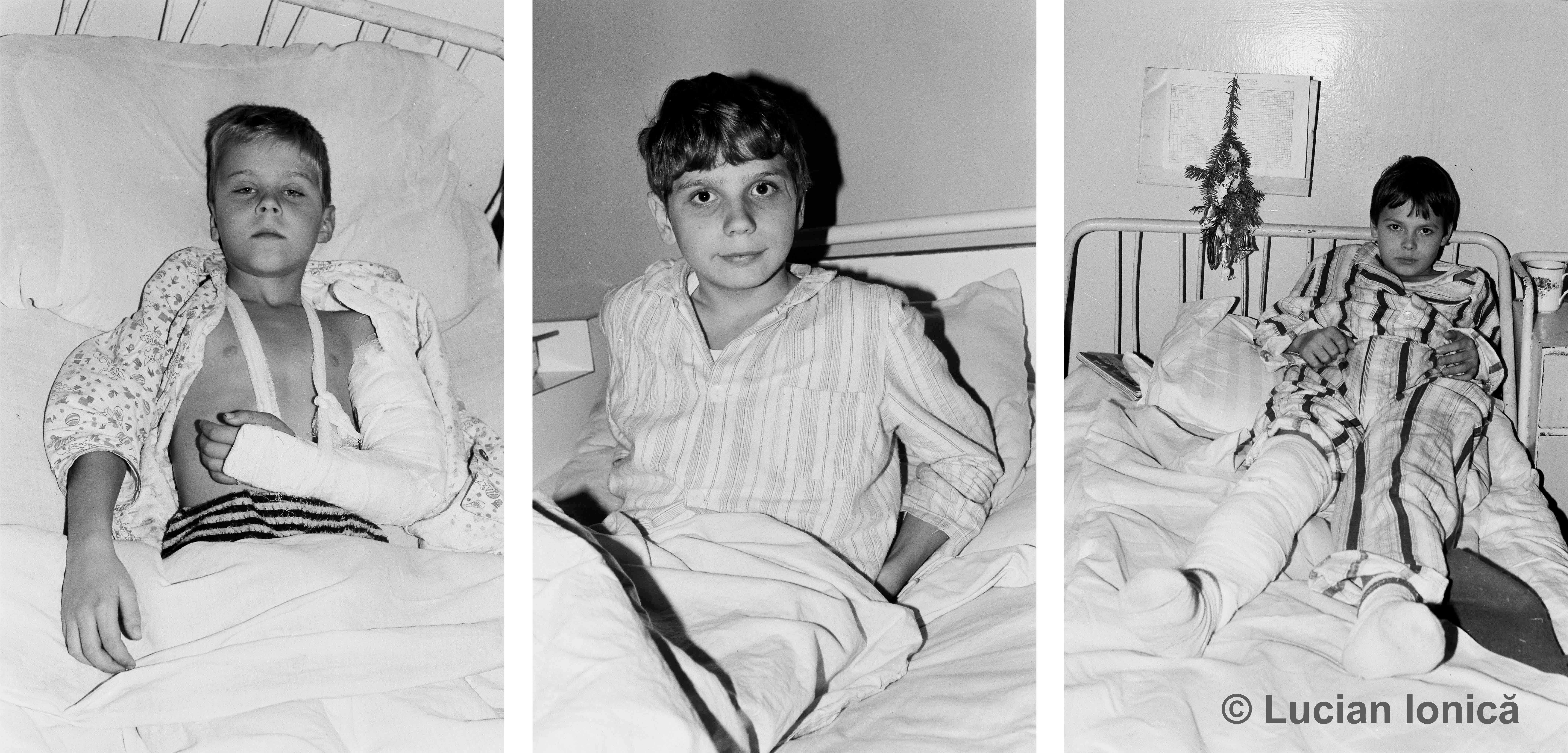 Ionică, Lucian. Wounded children, Timișoara, 1989. Photo
Some of the photographs taken by Lucian Ionică are snapshots of moments of high drama. Among them, those “hard to look at” images from the Paupers’ Cemetery, with the bodies of those killed by the repressive forces of the communist regime, hastily buried by the representatives of those forces, and then disinterred in order to be laid to rest in a fitting manner. There are also in the collection some photographs with portraits of children wounded during the Revolution of December 1989 in Timişoara. They were taken in the Timişoara Children’s Hospital on 24 December. The photographs show the wounded children in bed; the three snapshots include portraits of two boys and a girl. “For a few years after I took those photos I tried to trace the children I had photographed. I couldn’t find them, although I tried repeatedly. In the confusion and the strong emotions of the events back then, I didn’t have the inspiration to make a note of their names. Today I don’t know what has become of them, what they are doing,” says Lucian Ionică, confessing his regret at being unable to follow the story of those whose drama he immortalized in December 1989. “In the Timişoara Revolution, there were a lot of teenagers in the street. However the repressive forces had no compunction about firing at them. They were victims of the Army in the first place. Opening fire on minors is impossible to accept. Of course it is not justified against adults either, but the brutal actions of the soldiers against the children show how faithful those in the forces of repression were to Nicolae Ceauşescu,” is the comment of Gino Rado, the vice-president of the Memorial to the Revolution in Timişoara, summing up the tragic consequences of the involvement of forces loyal to the communist regime in the repression of the demonstrators, including minors (Szabo and Rado 2016). According to research carried out at the Memorial to the Revolution in Timişoara, as well as other official statistics documenting the scale of the repression in the city in December 1989, at least six children or adolescents under the age of 18 were killed in this symbolic city of the Romanian Revolution. The youngest hero-martyr was Cristina Lungu; when she was fatally shot in December 1989, she was only two years old.

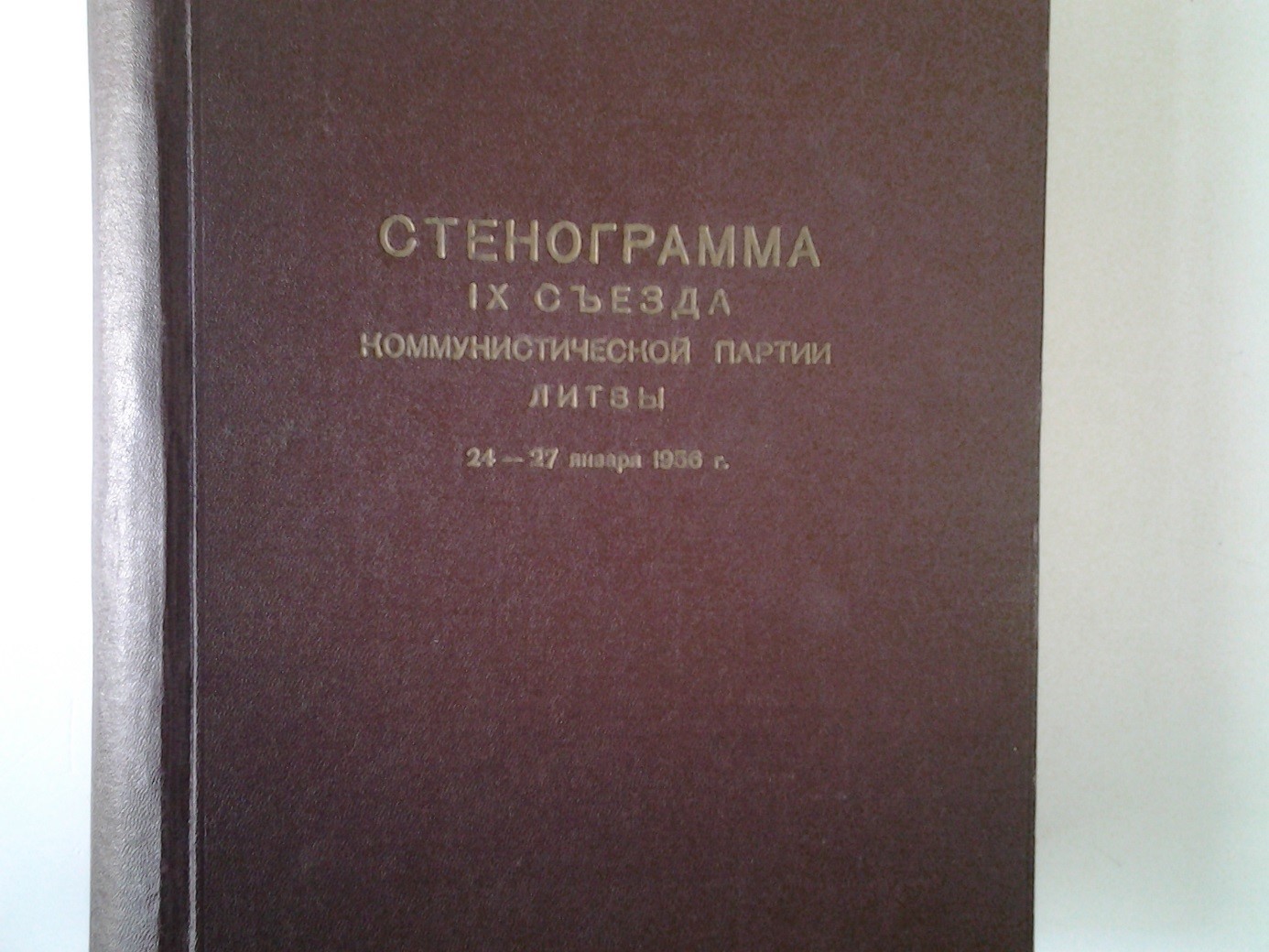 Lithuanian Communist Party Central Committee Collection (1953-1962)
The collection holds much valuable information on the policy of Lithuanian Communist Party Central Committee towards various manifestations of cultural opposition. The documents also reflect the situation of the Lithuanian intelligentsia, whose main goal was to preserve the Lithuanian cultural heritage. The documents cover the period of liberalisation, i.e. de-Stalinisation, in Soviet Lithuania.
 Slovak Samizdat Online Collection
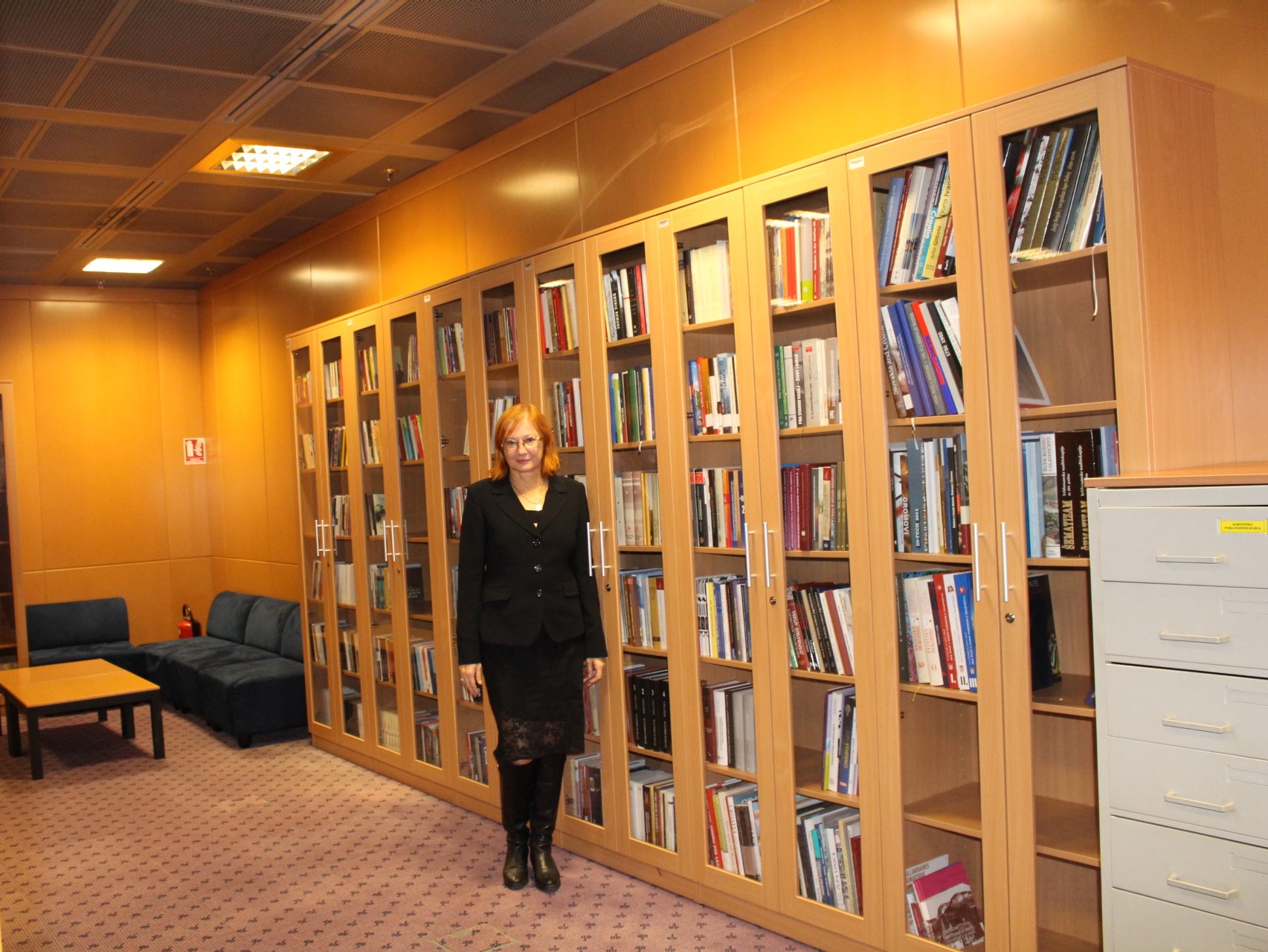 Foreign Croatica Collection
The Foreign Croatica Collection is the largest collection of books and periodicals published by Croatian authors in foreign countries. The Collection includes publications in many languages covering numerous issues on Croatia and the Croatian people, including those related to the socialist period. It is the most important collection in Croatia containing books by Croatian émigrés banned during the time of socialist Yugoslavia.
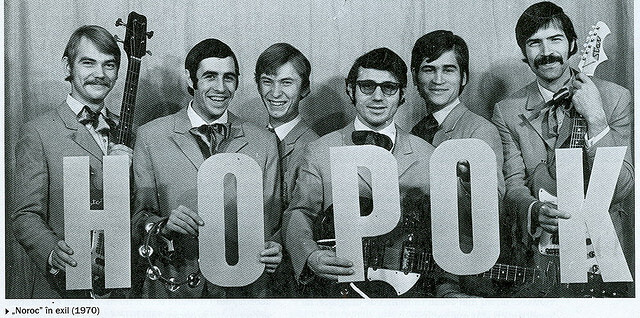 Noroc Collection at AOSPR Moldova
This ad-hoc collection comprises a series of archival materials relating to the activity of the musical band Noroc (officially known as the Noroc Vocal-Instrumental Ensemble). This group of young musicians reached the peak of its popularity during the period 1968–1970. Noroc represented one of the most important examples of an alternative musical style and subculture not only in the Moldavian SSR, but also at the all-Union level. Its members practised an original genre mixing local folkloric elements and Western influences (mostly jazz, rock, and beat). Due to the ”subversive” character of their music, the band was dissolved by the Soviet Moldavian authorities in September 1970. The materials in this collection were selected from Fonds No. 51 (Fonds of the Central Committee of the Communist Party of Moldavia), which is currently held in the Archive of Social-Political Organisations (AOSPRM) of the Republic of Moldova. These documents reflect the emergence of a mass youth subculture in the USSR in the late 1960s and the ideological constraints placed by the regime on such displays of an alternative lifestyle.
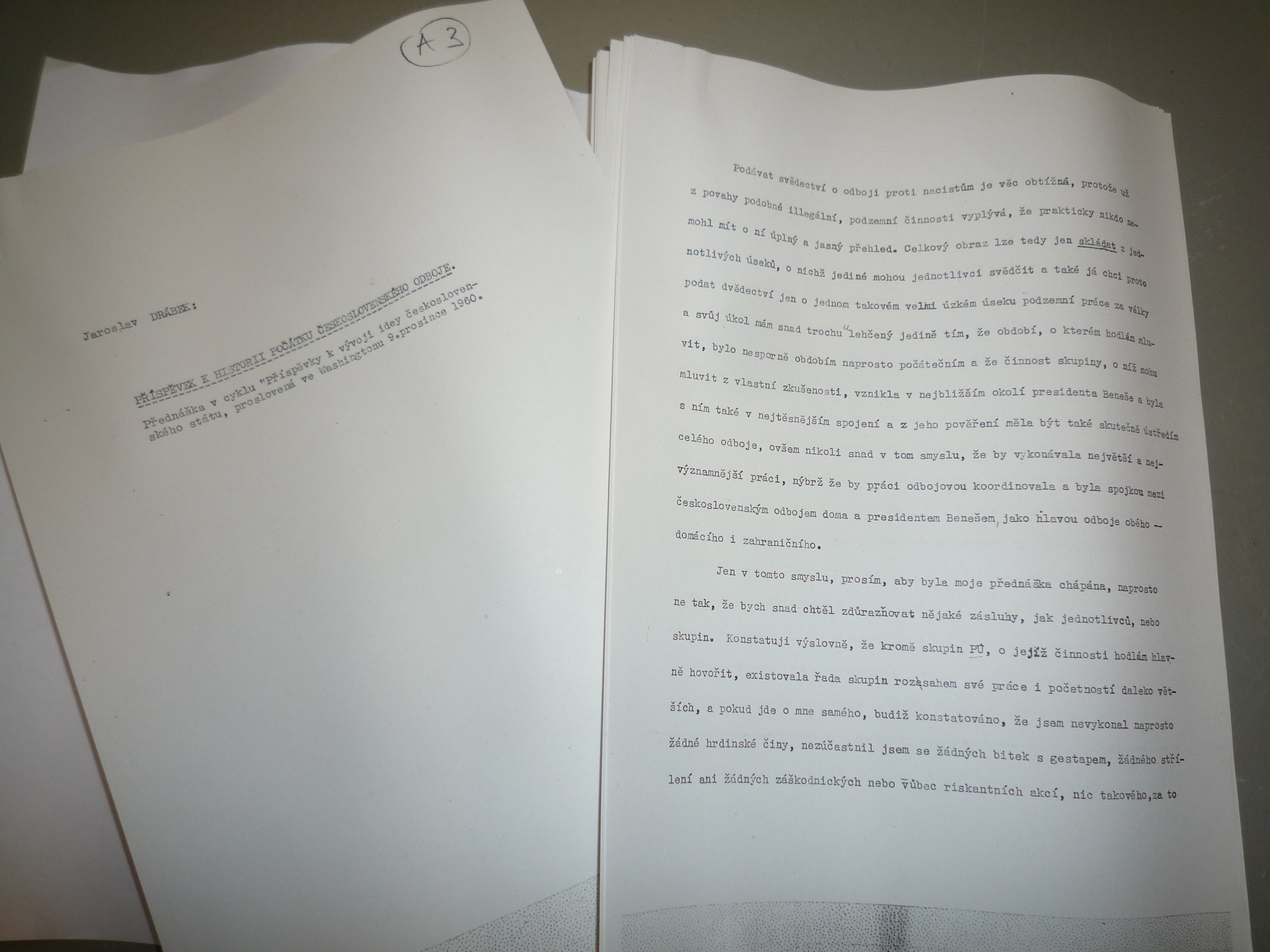 Drábek, Jaroslav. A Contribution to the History of the Beginning of the Czechoslovak Resistance (in Czech), 1960. Manuscript
Jaroslav Drábek Jr (1901–1996), a Czech lawyer, journalist and member of the Czechoslovak resistance movement during the Second World War, was the author of a lecture entitled “A Contribution to the History of the Beginning of the Czechoslovak Resistance”, which was presented on 9 December 1960 as part of the series “Contributions to the Development of the Idea of the Czechoslovak State” organized by the Czechoslovak Society for Arts and Science. The 33-page article includes descriptions of Drábek’s memories of his resistance activities, his escapes, interrogations, the Gestapo, and his colleagues in exile in London. Drábek also described other experiences from the postwar period, such as the arrest and torture of his colleague after the Communist coup. After February 1948, Drábek emigrated from Czechoslovakia. The document also includes a letter from the Czech scientist and prominent member of the anti-Nazi resistance, Professor Vladimír Krajina, who also emigrated after 1948. In his letter, Krajina mentions the fact that it was Jaroslav Drábek Jr who persuaded him to be active in the resistance during the Second World War.
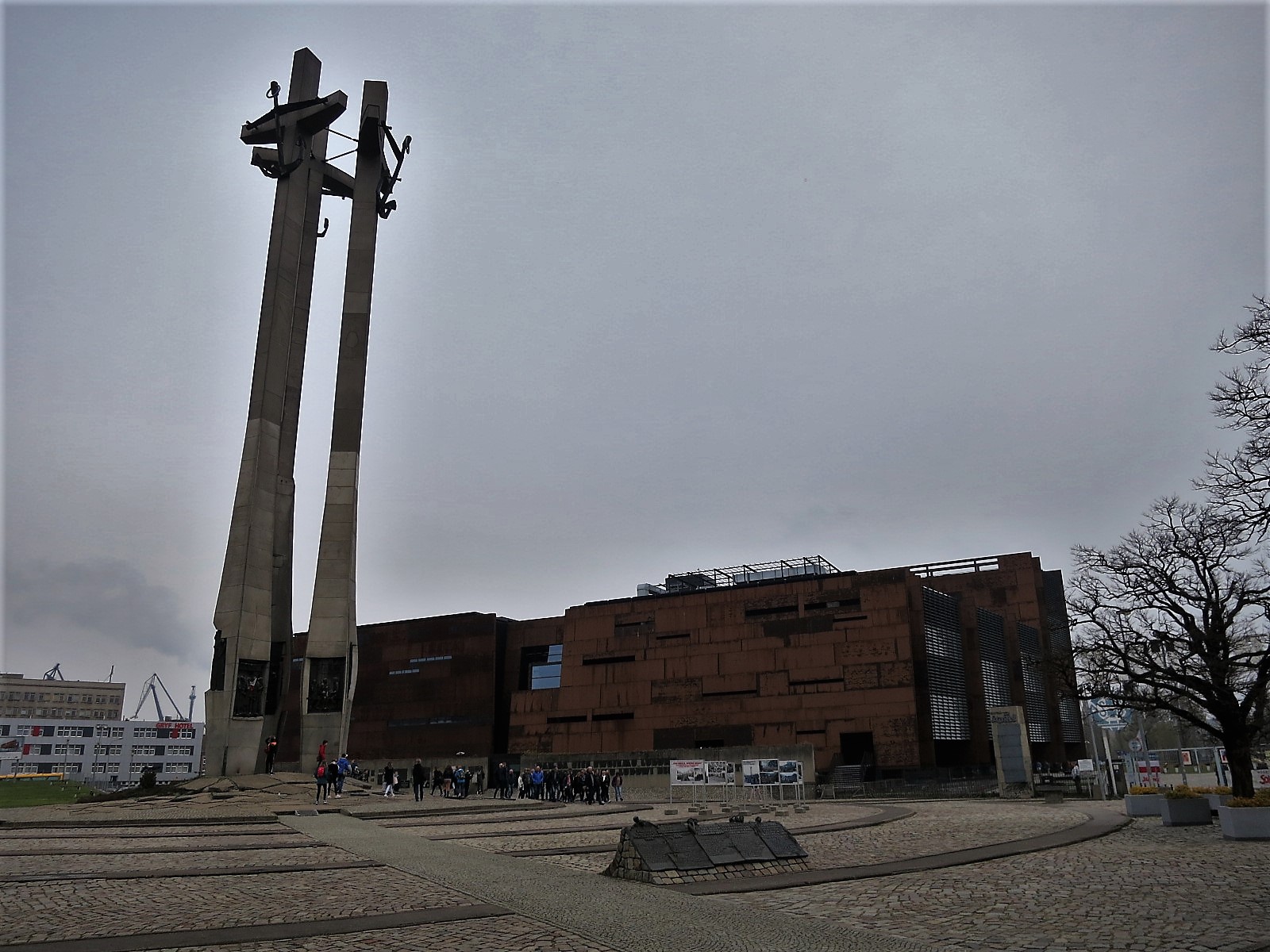 Film Notations of European Solidarity Centre
Film Notations of European Solidarity Centre are biographical interviews, conducted with democratic opposition activists and creators of independent culture in socialist Poland. They are first-hand testimonies of people who organised illegal gatherings, demonstrations, art exhibitions, film screenings, literature circulation etc. Collection includes rare interviews that cannot be seen anywhere else.
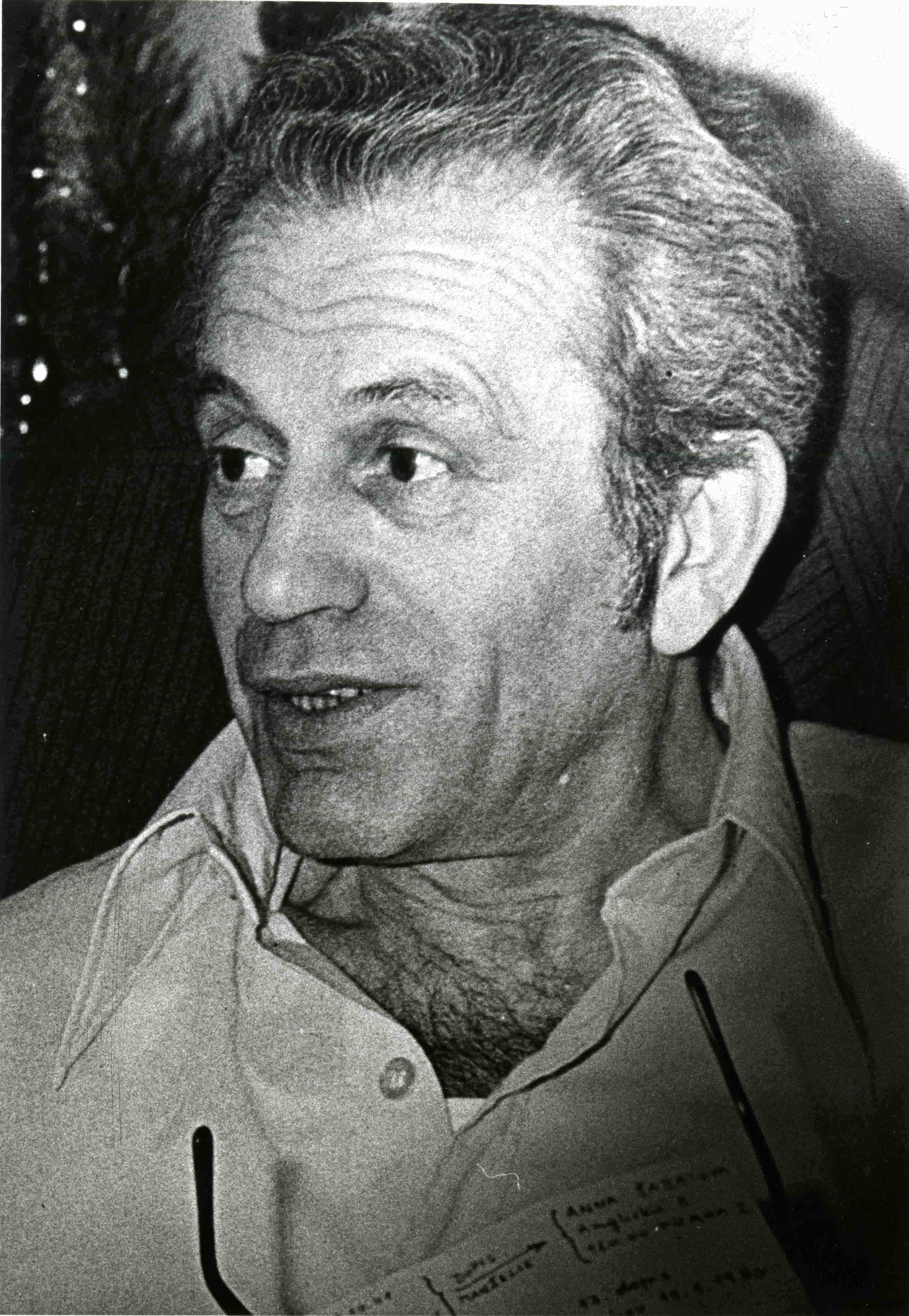 Jiří Lederer Collection of the Czechoslovak Documentation Centre
Jiří Lederer (1922-1983) was a Czech journalist and publicist, one of the most prominent journalists during the "Prague Spring" in 1968. In the 1970s he participated in the work of the Czechoslovak opposition and was one of the first signatories of Charter 77. During the 1970s he was imprisoned several times. In 1980 he went into exile. The collection mainly contains materials and notes from the period around the Prague Spring.
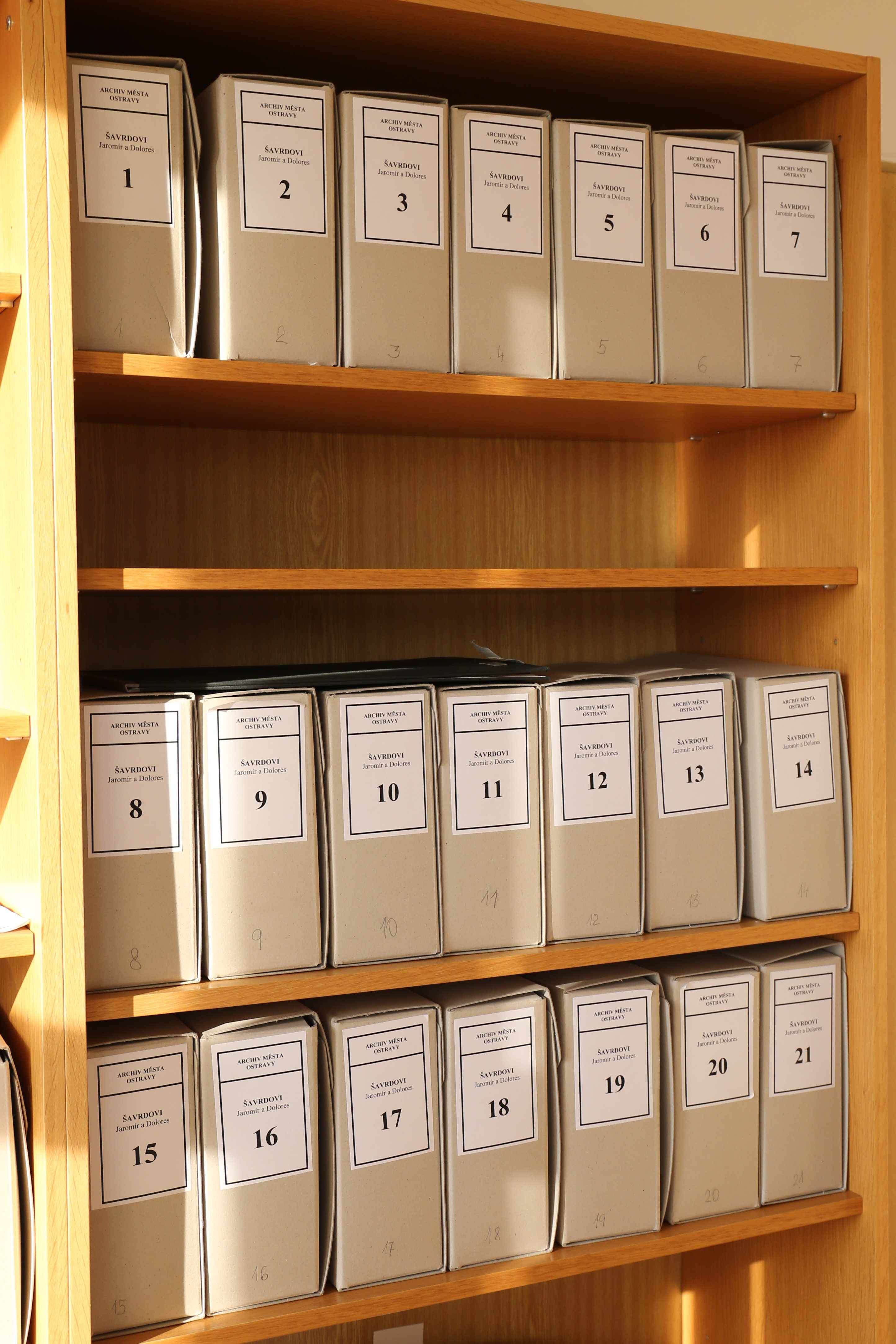
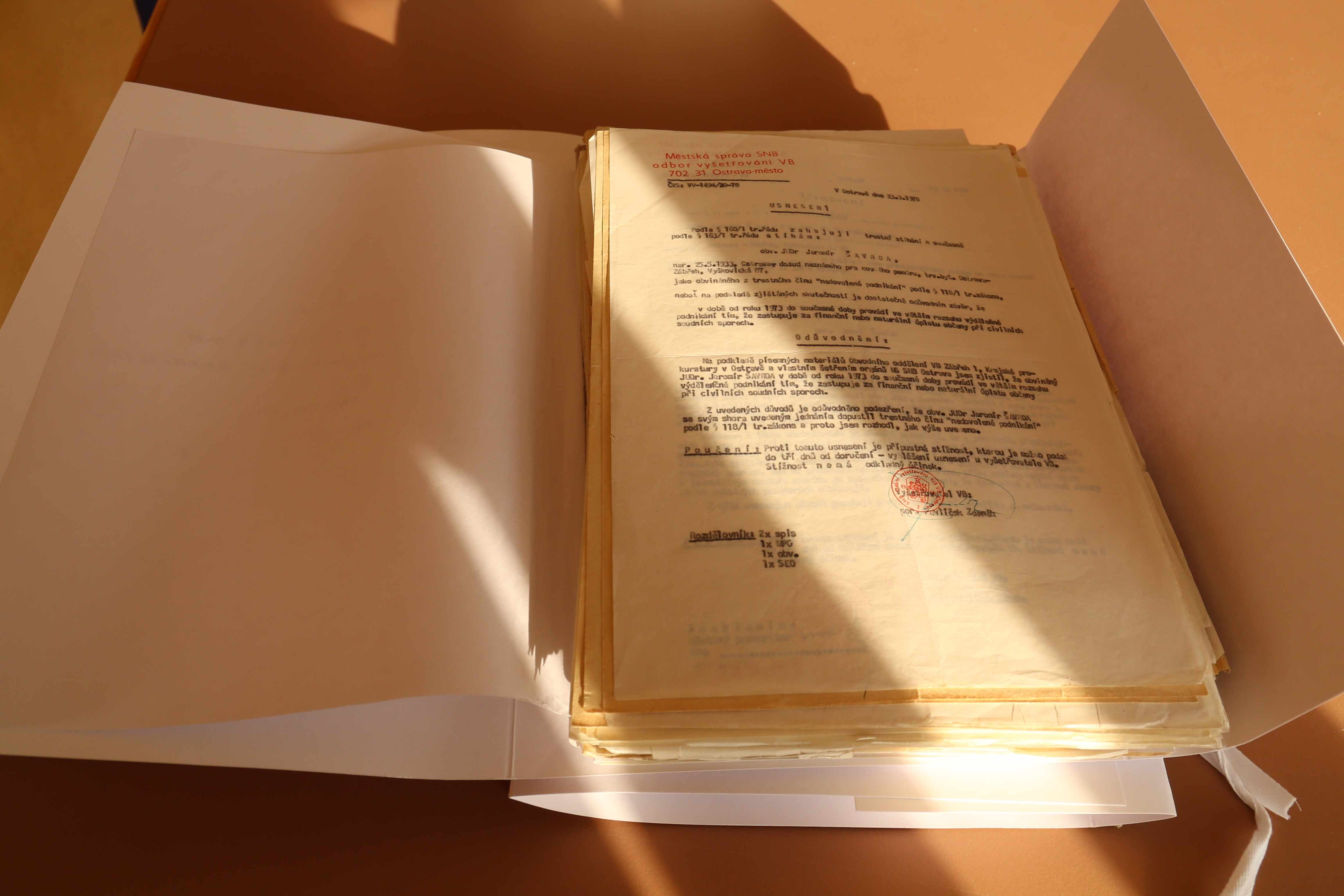 Jaromír and Dolores Šavrda Collection
The Jaromír and Dolores Šavrda Collection consists mostly of materials documenting the life and work of Jaromír Šavrda (1933–1988), a Czech journalist, writer, political prisoner and significant representative of dissent in Ostrava. Parts of the collection are, for example, Jaromír Šavrda’s biographical documents, his literary work including poetry written in prison, samizdat editions of his works as well as works written by other authors, manuscripts and typescripts of books and magazines, materials documenting his activities in dissent and his correspondence.
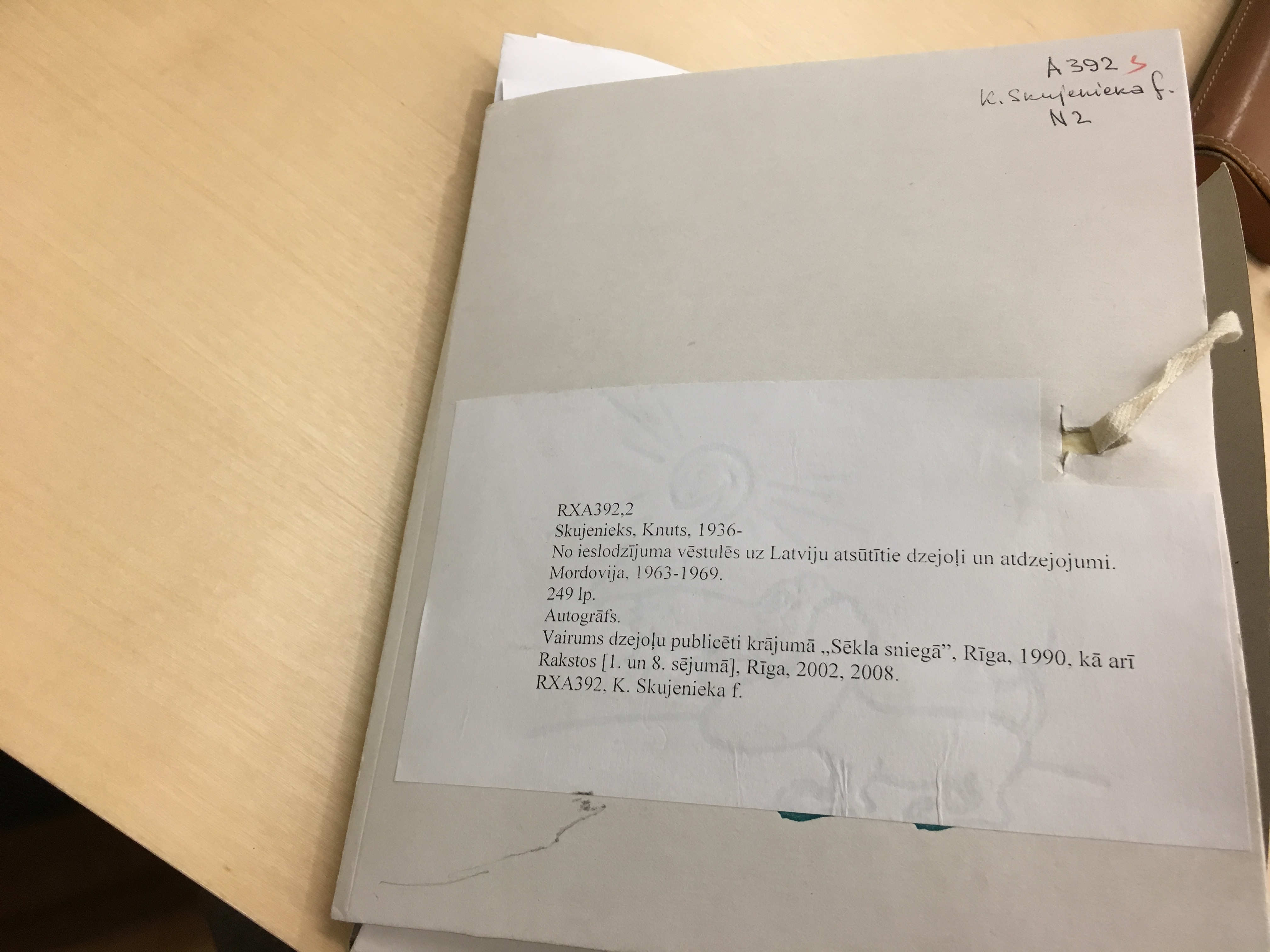 Knuts Skujenieks collection
Knuts Skujenieks (b. 1936) is a Latvian poet, a dissident who was sentenced in 1962 to seven years in prison for anti-Soviet activities. The collection holds manuscripts from all his creative life, but the most powerful are the manuscripts he created during his imprisonment: poems and other literary texts, correspondence with his wife and colleagues, and many other documents that reflect the development of his poetic language and political consciousness.
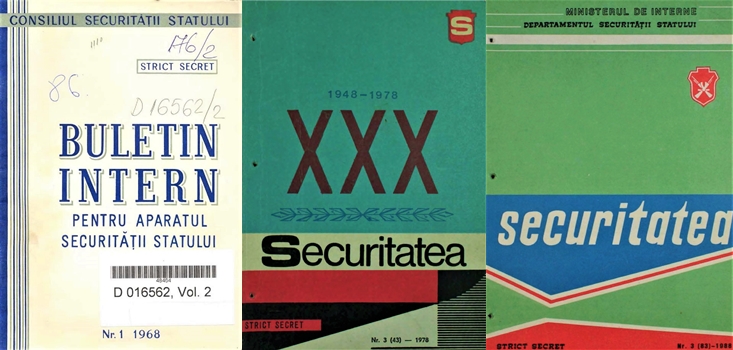 About the relations of the Romanian citizens with some capitalist radio stations. In Securitatea, 41 (1978): 38-49, in Romanian. Article
Securitatea was a quarterly aimed at improving the training of Securitate operative personnel. Its articles were written by Securitate officers for Securitate officers and thus they touched upon practical problems faced during their specific mission of preventing and neutralising any actions that potentially threatened the communist regime. Among the many dangers that were outlined in the pages of the quarterly as undermining “state security” were foreign radio stations, and especially Radio Free Europe (RFE). The article chosen as a featured item of the collection presents under the title “Cu referire la relațiile cetățenilor români cu unele posturi de radio capitaliste” (About the relations of Romanian citizens with some capitalist radio stations) the perspective of the Securitate upon the activity of RFE and evaluates its contribution in providing an alternative source of information for Romanians. In the absence of underground publications, RFE represented the main source of alternative information in communist Romania. Thus, the Securitate regarded RFE and contacts between Romanian citizens and employees of the Romanian desk of this radio station as dangerous to the communist regime. Accordingly, the entire article focuses on revealing how RFE allegedly acts in order to undermine “state security.” Starting from the premise that RFE is the locus “of espionage, ideological diversion, and hostile propaganda,” the anonymous author traces the connection between this radio station and the American espionage machine, namely the CIA. The Central Intelligence Agency was credited with financing RFE and setting its agenda even after the American Congress officially took responsibility for financially supporting its functioning. The control of the CIA over RFE was underlined once again when discussing its organisation. The two management structures in the United States and Europe were allegedly infiltrated by CIA agents who engaged the radio station in their “ungentlemanly” war against communist countries and used it to collect information about them. As a result, the CIA used the microphone of RFE to proffer slanders and shamefully distort the realities of the communist countries, according to the Securitate’s interpretation of the broadcasting of news and other political programmes by this radio station. Even worse from the point of view of the Securitate was that people travelling abroad were an easy prey for “agents” working at the Romanian desk of RFE. After underlining the connection between its director, deputy director, and programme producers with the CIA, the article describes how they allegedly succeeded in manipulating Romanian tourists in order to collect valuable information about the country, its leadership, and the impact of its social and economic policies on the mood of the population. In other cases, they even managed to trick their “victims” and persuade them to emigrate. The narrative of blaming RFE for these “unpatriotic” deeds was an ideologically convenient explanation for the fact that the great majority of Romanians listened to and trusted RFE, in spite of the fact that this might have caused problems. At the same time, such a narrative was meant to highlight the vital role played by the Securitate as a guardian of the communist regime in Romania.
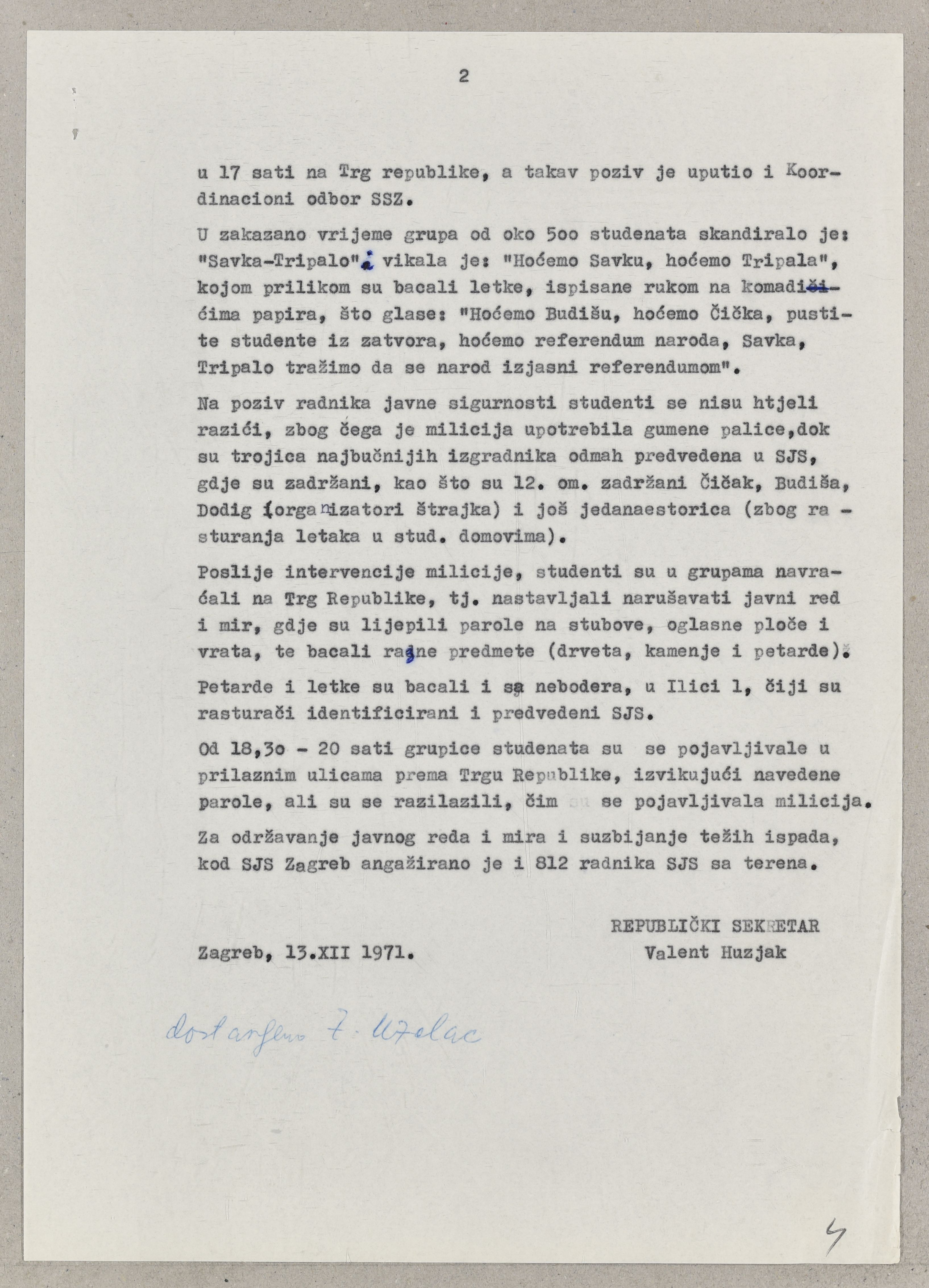
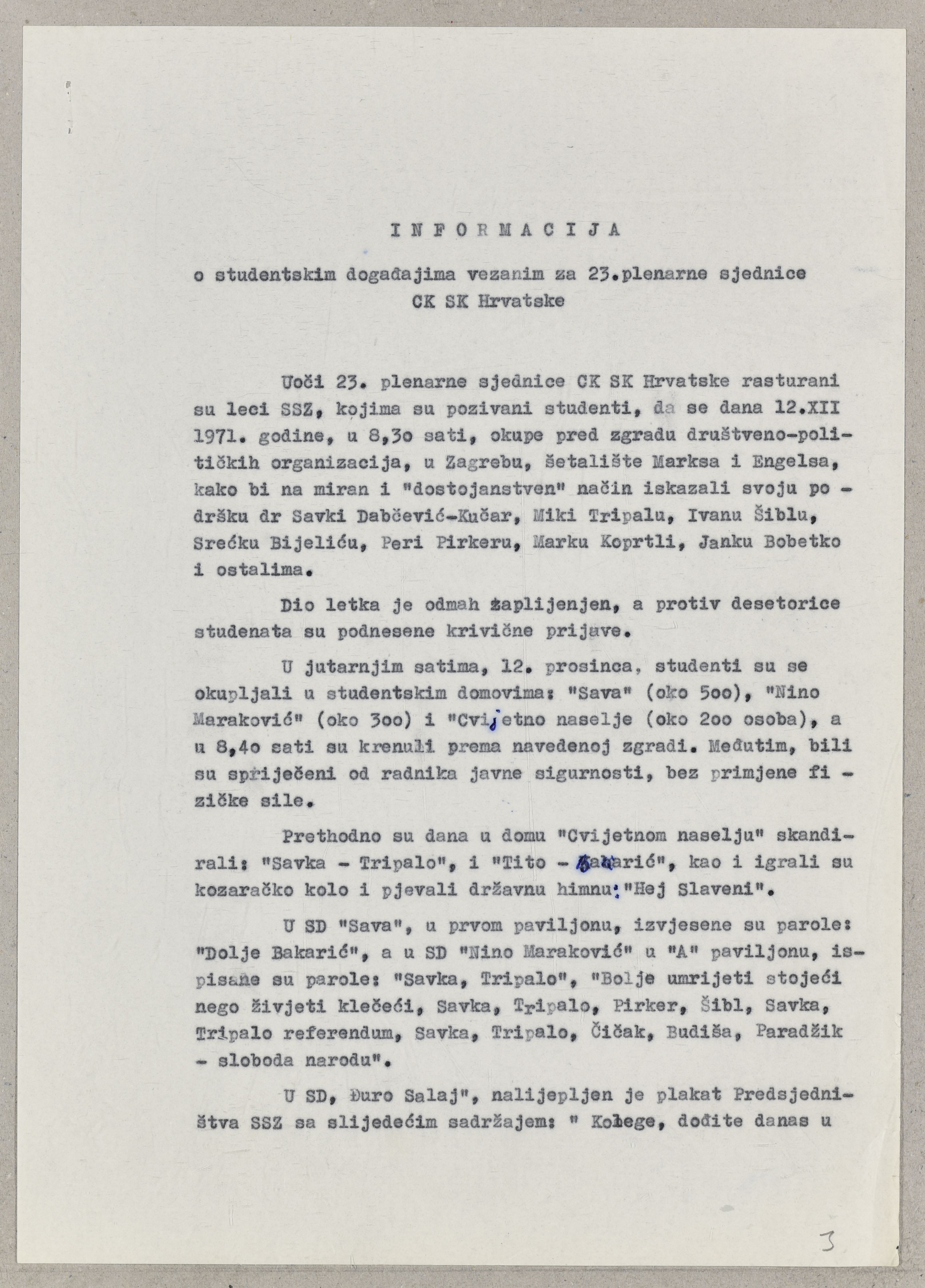 Information on student activities related to the 23rd plenary session of the Central Committee of the League of Croatia. 13 December 1971. Archival document
The crackdown on the Croatian Spring and the repression against its members came in December 1971, after the twenty-first session of the Presidium of the League of Communists of Yugoslavia, held in Tito's residence in Karađorđevo. Croatian political leaders were removed from their posts and banned from engaging in any public work. On the eve of the twenty-third session of the Central Committee of the League of Communists of Croatia held in Zagreb on 12 December 1971, where they formally resigned, as a show of support students organised various activities. According to the report written by Valentin Huzjak, secretary of the Republic Internal Affairs Secretariat of the Socialist Republic of Croatia, early in the morning on that day, approximately 1,000 students gathered in three student dormitories in Zagreb and then went to demonstrate in front of the Central Committee's headquarters, but were halted by police forces. In the student dormitories they shouted and wrote slogans on the walls in support of Savka Dabčević-Kučar, Miko Tripalo, Pero Pirker and other political leaders dismissed from their posts. Huzjak also reported that later in the afternoon, approximately 500 students demonstrated, shouted and posted slogans and distributed handwritten pamphlets on Zagreb’s main square. According to the report, a few dozen people were arrested, and while breaking up the demonstrations, the “police used nightsticks.ˮ Besides the staff of the Public Security Service in Zagreb, 812 police officers from other towns and cities were engaged to suppress the demonstrations.
The document is available for research and copying.
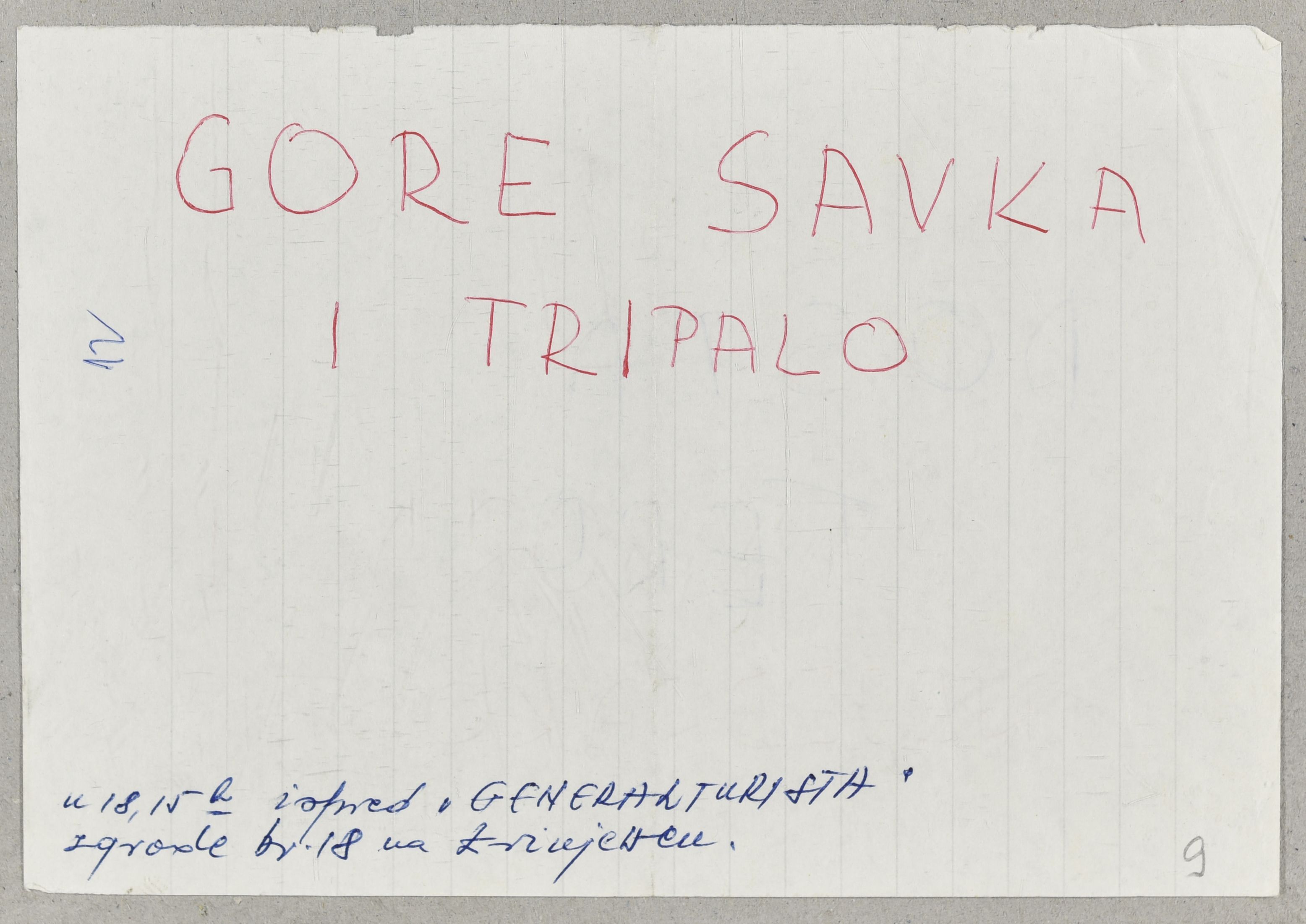 Pamphlet of support for Croatian reformist and nationally-oriented political leaders. 1971. Archival document
Students also demonstrated their support for Croatian reformist and nationally-oriented political leaders by distributing handwritten pamphlets on different types of paper. This collection includes several examples of such pamphlets, and one mentions Savka Dabčević-Kučar and Mika Tripalo, both removed from their posts in December 1971. On the pamphlets themselves or in separate notes, the State Security Service recorded where and when the pamphlets were found. Together with other materials collected during Operation Tuškanac, these pamphlets were used in the prosecution of participants in the student movement.
The documents are available for research and copying.
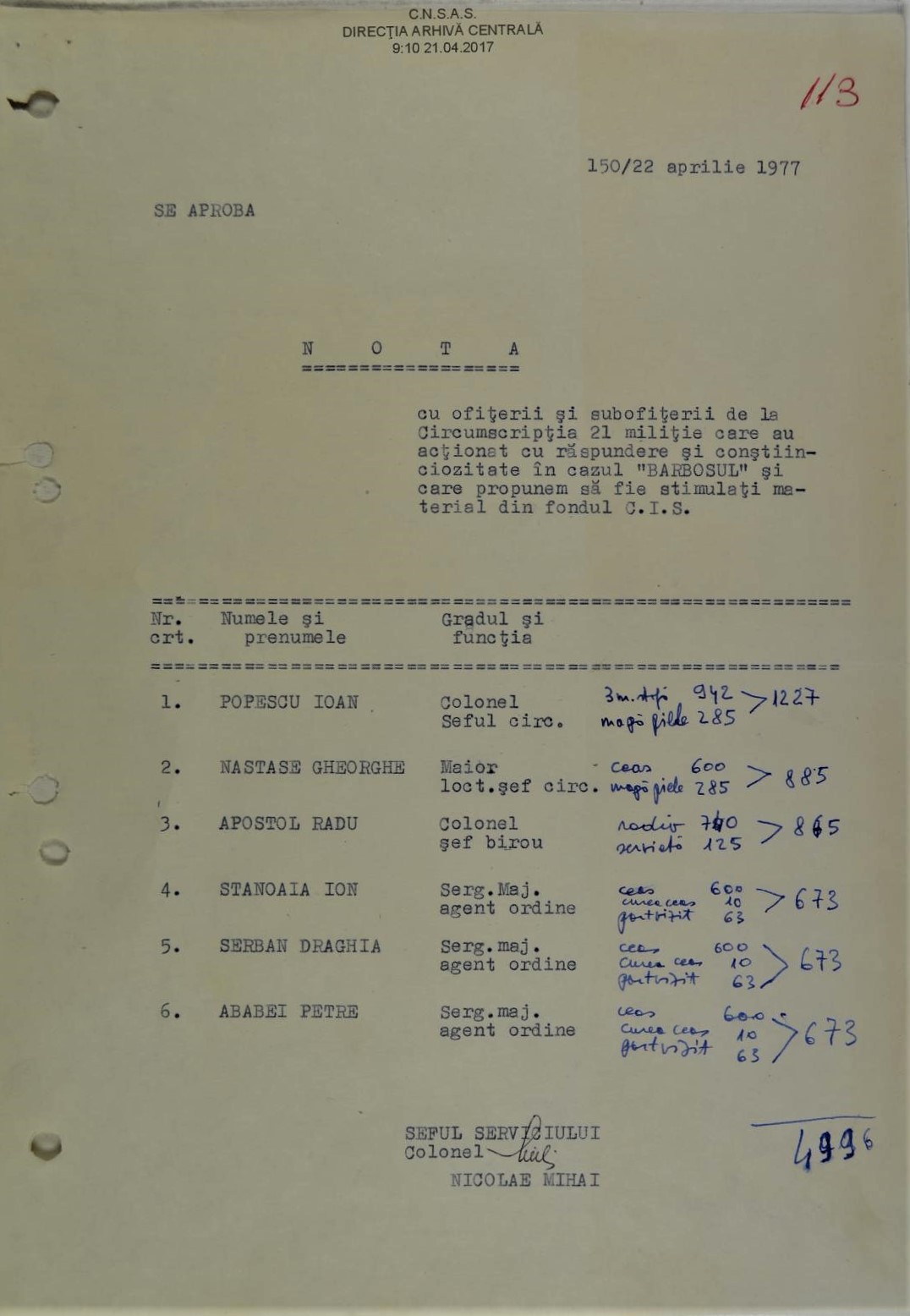 Securitate. Note with material rewards offered to Militia officers, 22 April 1977
Even Paul Goma has characterised this document as a tragi-comical one. The note contains a list of the Militia officers who were involved in his case, whom the Securitate officers asked their superiors to reward for helping in this mission. The rewards were: 3 metres of cloth and a leather folder for the commander, watches, leather briefcases, leather wallets and radios for the others. Usually, the Securitate rewarded its informers with small amounts of money and some cheap products. They rather preferred to facilitate various services. This note is unusual because this is about rewarding some Militia officers. Besides the amusing aspect regarding the modest level of this reward, the document is relevant for the relation between the secret police, the Securitate, and the Militia, because the money for procuring these items originated from the Securitate’s financial funds. The document qualifies as a masterpiece of the collection especially because of its uniqueness, which can be explained only by considering how unusual was the emergence of the Goma Movement for the Romanian secret police. The Securitate officers faced for the first time the taking shape of a large coherent movement, so they used all possible methods in order to curtail its development. This small document is a rare piece of evidence regarding the subordination of the Militia to the Securitate, which otherwise it is not obvious from the documents in the CNSAS Archives (ACNSAS, Informative Fonds, File I 2217/10, f. 113-114).
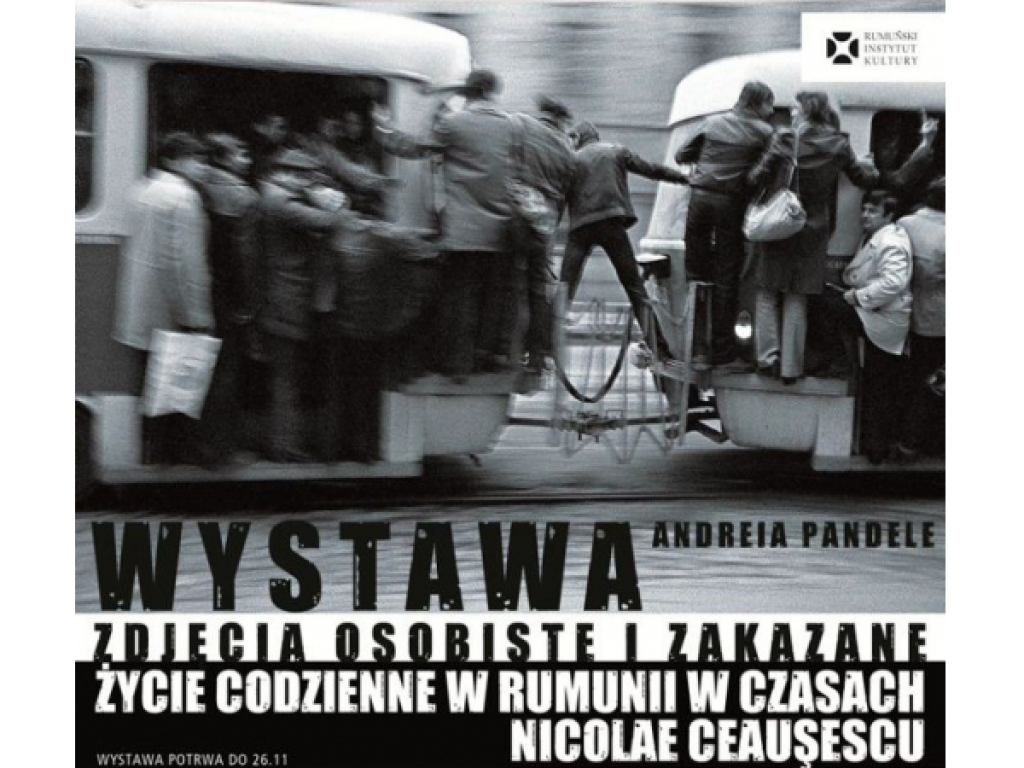 Andrei Pandele Photograph Private Collection
The Andrei Pandele private collection is the most significant testimony in pictures, mainly black and white, to the demolition of historic monuments and districts in the Romanian capital in the period of late communism. Together with photographs that are essential for the preservation of the memory of a mutilated city and a vanished cultural heritage, the collection also includes a series of images capturing aspects of the degradation everyday life throughout the profound crisis of the 1980s. These suggest both the absurdity of the policies of the Ceaușescu regime and the grotesque mutations in the everyday routine of ordinary people to which these policies gave rise.
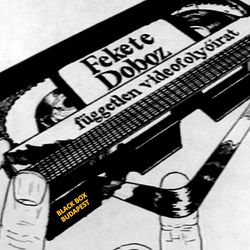 Black Box Foundation Video Archive at OSA
The video periodical Black Box was the first independent film production studio during the last years of communist rule in Hungary. It reported on demonstrations and civilian initiatives that the official media passed over in silence or reported on with disinformation. With its film reports, and portraits distributed in samizdat channels, at the beginning Black Box managed to create the largest film collection documenting the events of the transitional period and the change of political system both in Hungary and in other communist countries.
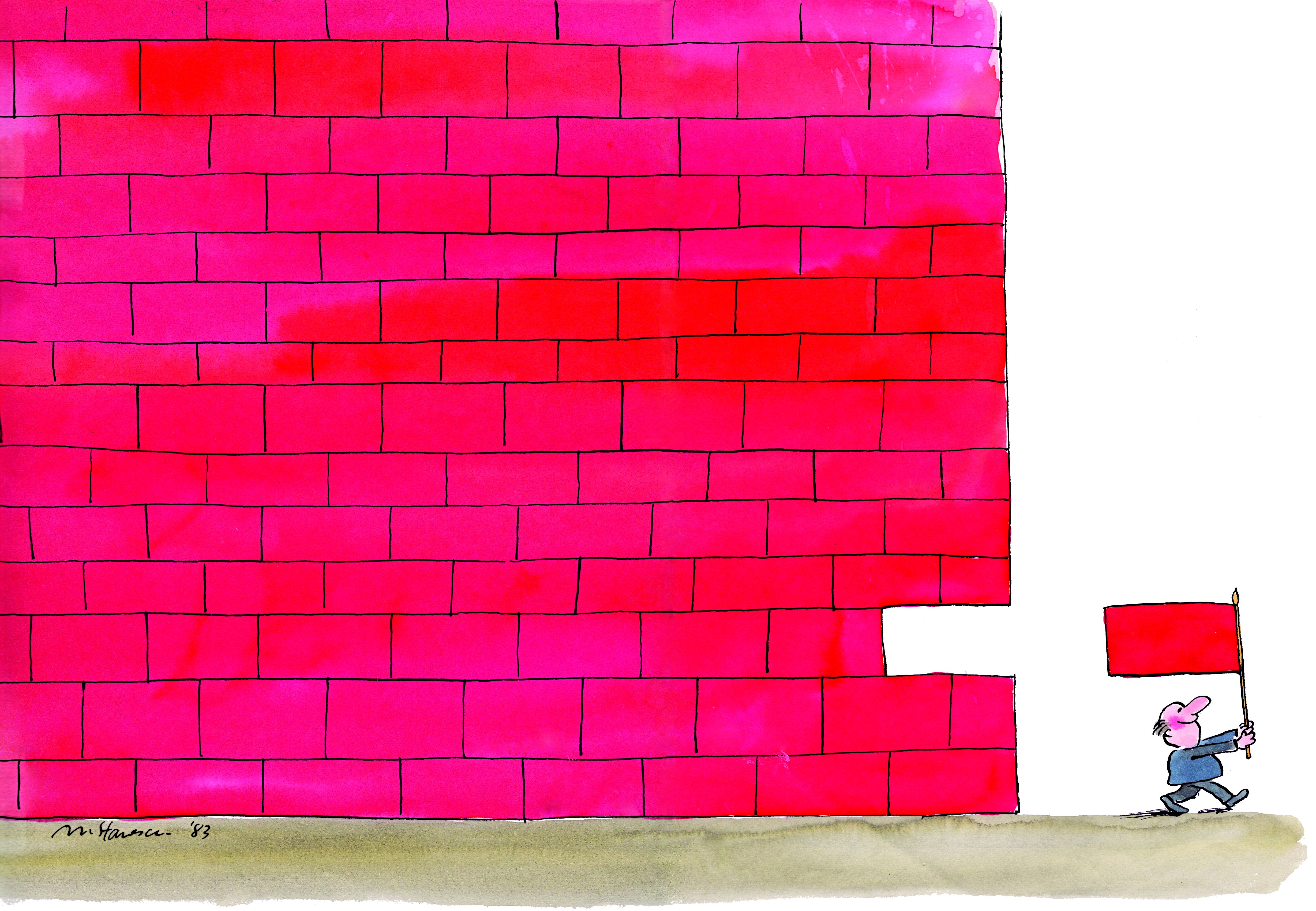 Mihai Stănescu Caricature Collection
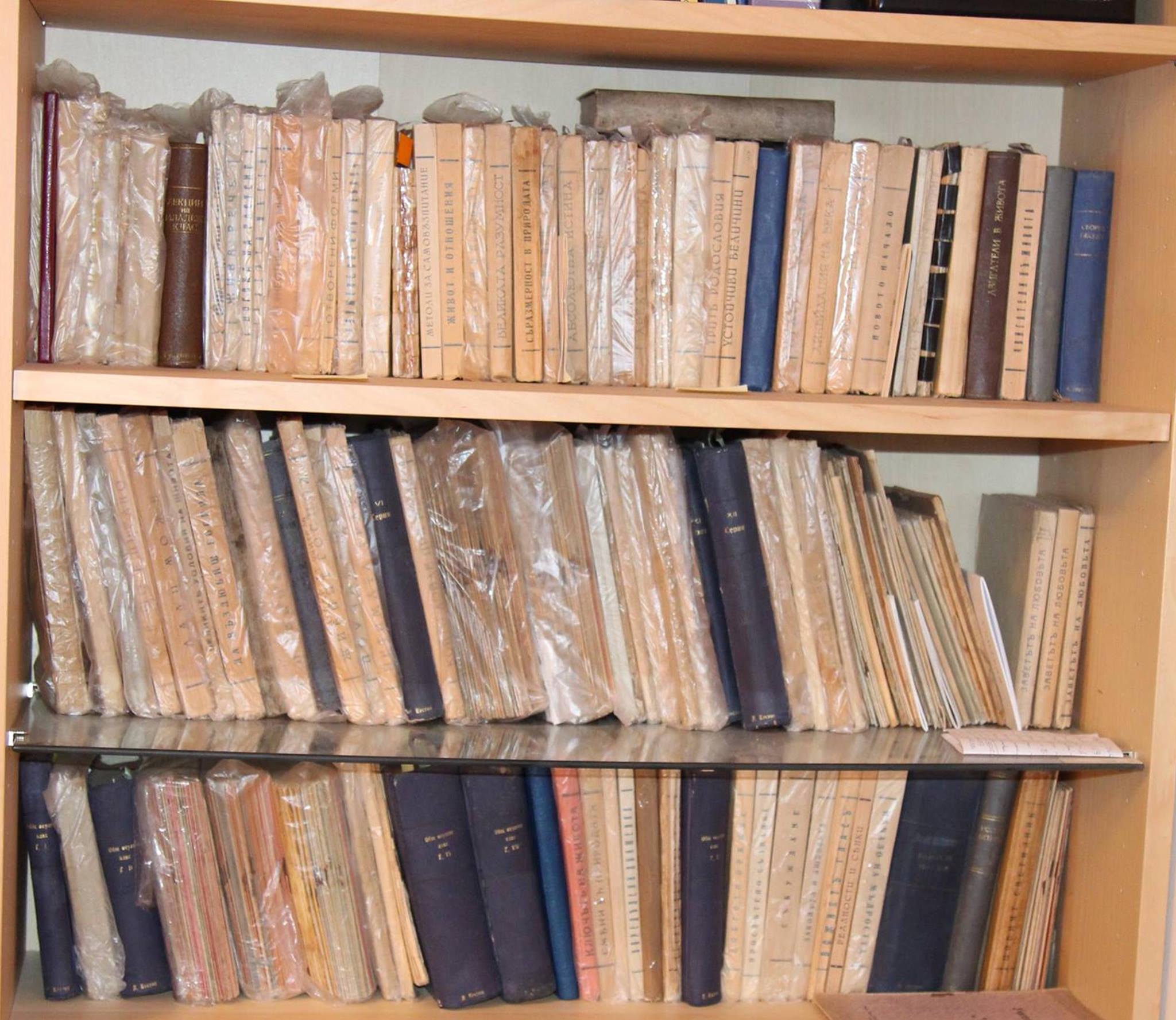 The Word of Master Petar Danov
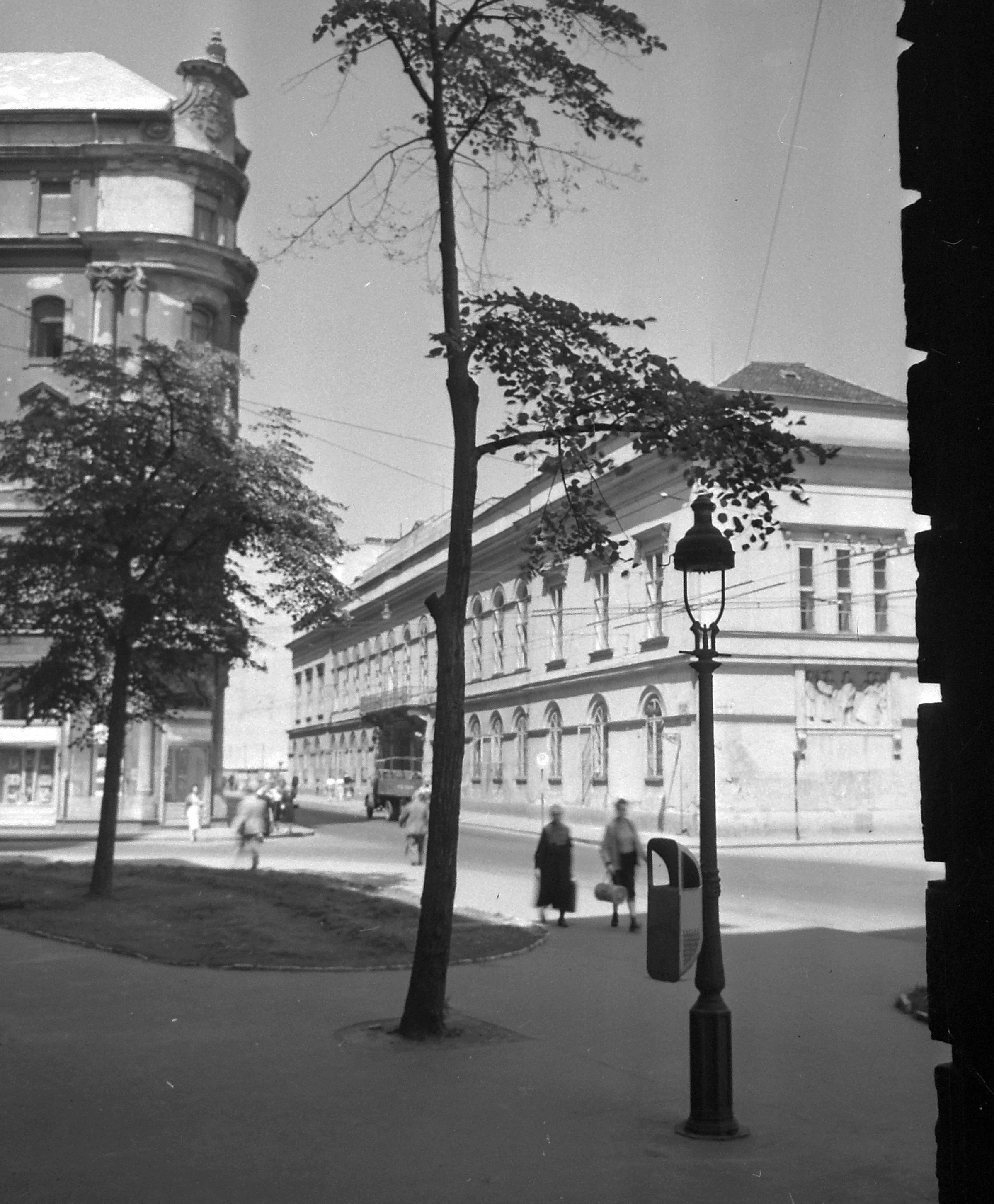 Samizdat Collection at Petőfi Literary Museum (PLM)
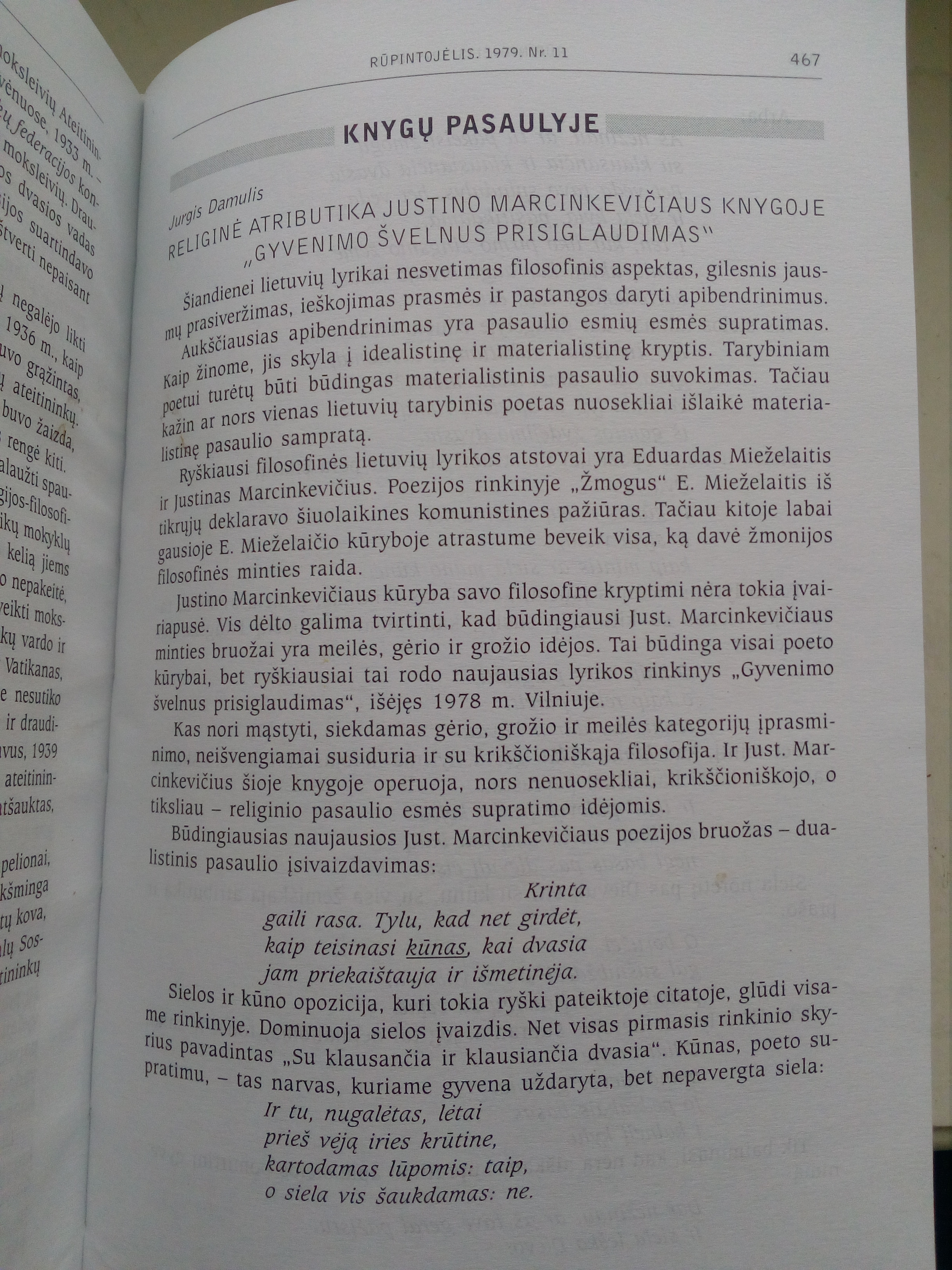 Rūpintojėlis' article about literature development in the Soviet Lithuania
The article 'Religinė atributika Justino Marcinkevičiaus knygoje "Gyvenimo švelnus prisiglaudimas"' (Religious Attributes in Justinas Marcnkevičius’ book ‘The Gentle Touch of Life’). The article analyses new trends in works by Lithuanian authors. It argues that a sort of trend for religious and sacral moments could be seen in Lithuanian poetry in that time, especially in Justinas Marcinkevičius’ poems, that contradicted Soviet ideology and materialism.
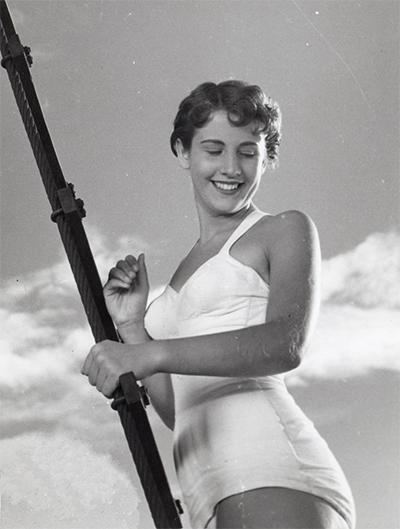 Fulgosi, Nikša, dir. Little Jole, 1955. Film
Mala Jole (Little Jole) from 1955 is the first feature film by Nikša Fulgosi, produced by Jadran Film. The film was shot in Hvar, in black and white technique. The recording of this comedy about the female captain of a ship who became a "boss" to men was aborted after direct intervention by Ivo Vrhovac, the new general director of Jadran Film.
According to the testimony of actress Ksenija Urličić, the official explanation for the cessation of production and the ‘lock-down’ of the film was an interpretation according to which a "socialist sailor was shown in the wrong light" (Tko je taj Nikša Fulgosi? Who is that Niksa Fulgosi?).
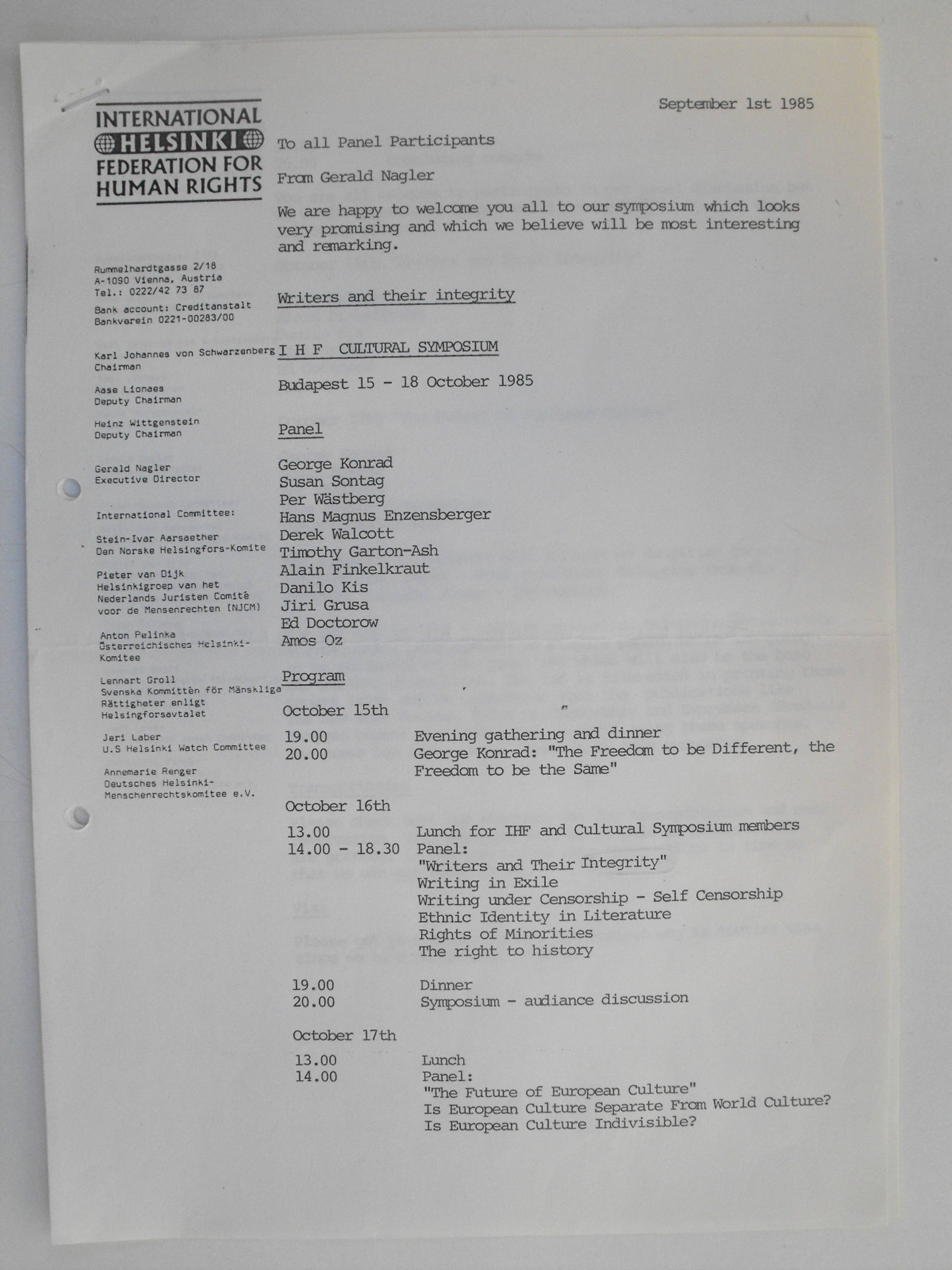 Invitation for the IHF Cultural Symposium, Budapest, 15-18 October 1985. Manuscript
Invitation and program schedule for the IHF Cultural Symposium, Budapest 15–18 October 1985
Although the plans and practical preparations for the alternative programs of the Budapest Cultural Forum 1985 had been started more than a year earlier, it was this invitation letter and program schedule sent to all Western participants by the International Helsinki Federation from its Vienna Office, an invitation signed by Chairman Karl Joachim Schwarzenberg on 1 September 1985, that proved the success of devoted efforts made by the IHF staff to organize a three-day East-West Cultural Symposium in Budapest in parallel with the official opening session of the CSCE European Conference.
The main subjects of the alternative forum were much more challenging. They included “Writers and their Integrity” and “The Future of European Culture,” and they offered a good opportunity for free and stimulating exchange of ideas for participants from both East and West. The list of authors invited seemed quite imposing, as it included prominent figures such as György Konrád, Susan Sontag, Per Wἃstberg, Hans Magnus Enzensberger, Derek Walcott, Timothy Garton Ash, Alain Finkelkraut, Danilo Kis, Jirzi Grusa, Ed Doctorow, and Amos Oz. This forum was perhaps the first chance since 1945 for writers from both East and West to enter free public debates on sensitive cultural and political issues such as exile, censorship, self-censorship, the role of national identity in literature, the rights of minorities, the right to history, or the basic question of whether European culture is separate from world culture. And is European culture really one indivisible culture? These questions and issues represented an utterly new approach which regarded cultural freedom as a vitally important and integral part of the overall realm of human rights.
How did the Budapest “Cultural Counter-Forum” manage to implement the promising plans made by the IHF? Not quite as was expected. Apart from Hungarians, no other participants from Eastern Bloc countries could attend the symposium, either because they could not get passports or because of the were forced to live under police surveillance or under house arrest, or they had been interned or jailed, like many Russian, Polish, Czech, Slovak, and Romanian writers at the time. They were partly represented by some Western writers with Eastern origins, e.g. Jirzi Grusa, Danilo Kis, and Amos Oz, and Timothy Garton Ash, who came from Warsaw to Budapest, spoke for the Polish writers who at the time were still suffering from the harsh measures of martial law. Things were similar in the case of writers who belonged to ethnic minorities. Hungarian participants, like poet Sándor Csoóri and philosopher Gáspár Miklós Tamás, spoke on their behalf, as did two of the most harassed writers and samizdat makers, Géza Szőcs, who was originally from Cluj / Kolozsvár / Klausenburg, and Miklós Duray from Bratislava / Pozsony / Pressburg. Szőcs and Duray addressed open letters to the participants in the Counter-Forum
How many people took part in the forum? As many people (120–150) as could fit in the crowded private Budapest flats provided for the event by poet István Eörsi and film director András Jeles. These people were IHF representatives, writers, journalists, Western diplomats, Hungarian intellectuals, and students. This constituted an unanticipated change which gave the Counter Forum a fairly informal and non-conformist feel. The Hungarian authorities refused to allow the group to hold its gathering in any public place, and the reservation made by the IHF for a conference room in a downtown Budapest hotel was cancelled at the last moment by the Hungarian secret police. On the very first day of the six-week-long official Forum, this scandal, which was reported on by the world press and some Western delegates, all of a sudden drew attention to the Counter-Forum, highlighting the fact that cultural affairs are still sensitive political issues in the eastern part of Europe.
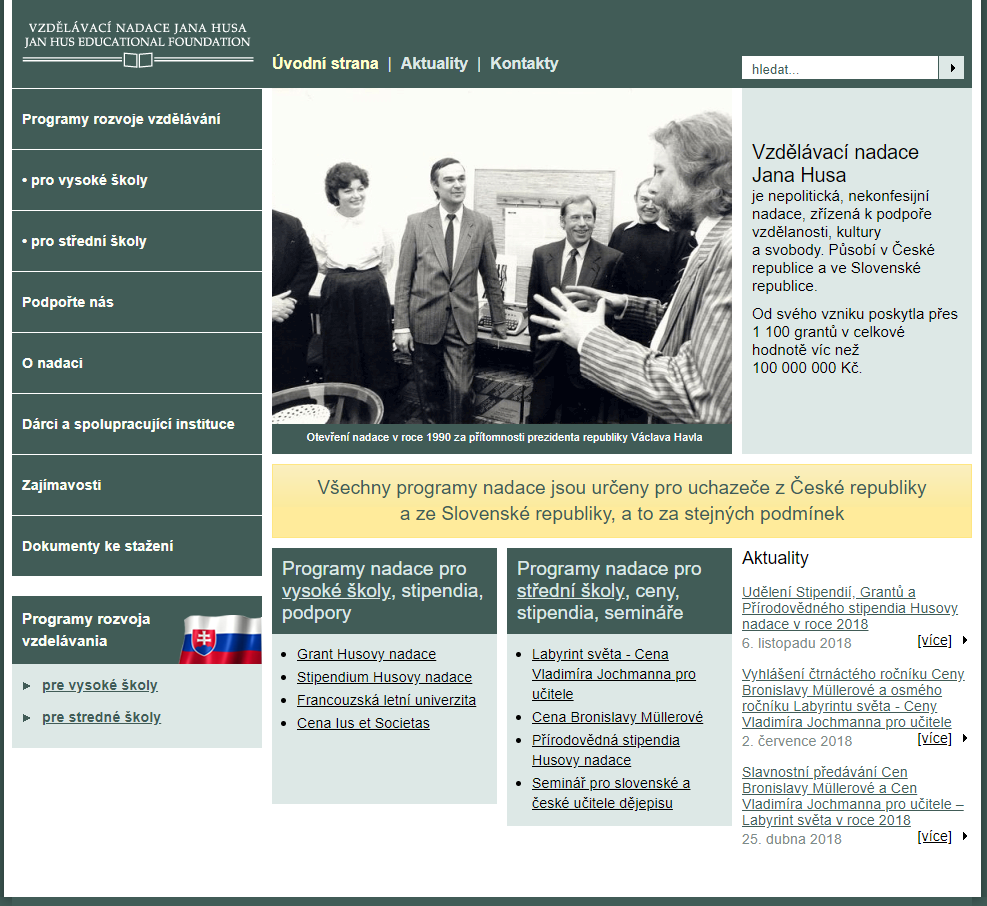 Jan Hus Educational Foundation Collection
The Jan Hus Educational Foundation's collection presents an extraordinary set of materials documenting a work of a British organization focusing on supporting of cultural opposition in Czechoslovakia, mainly through underground university, scholarships, and the publication and translation of forbidden or unaccessable books.
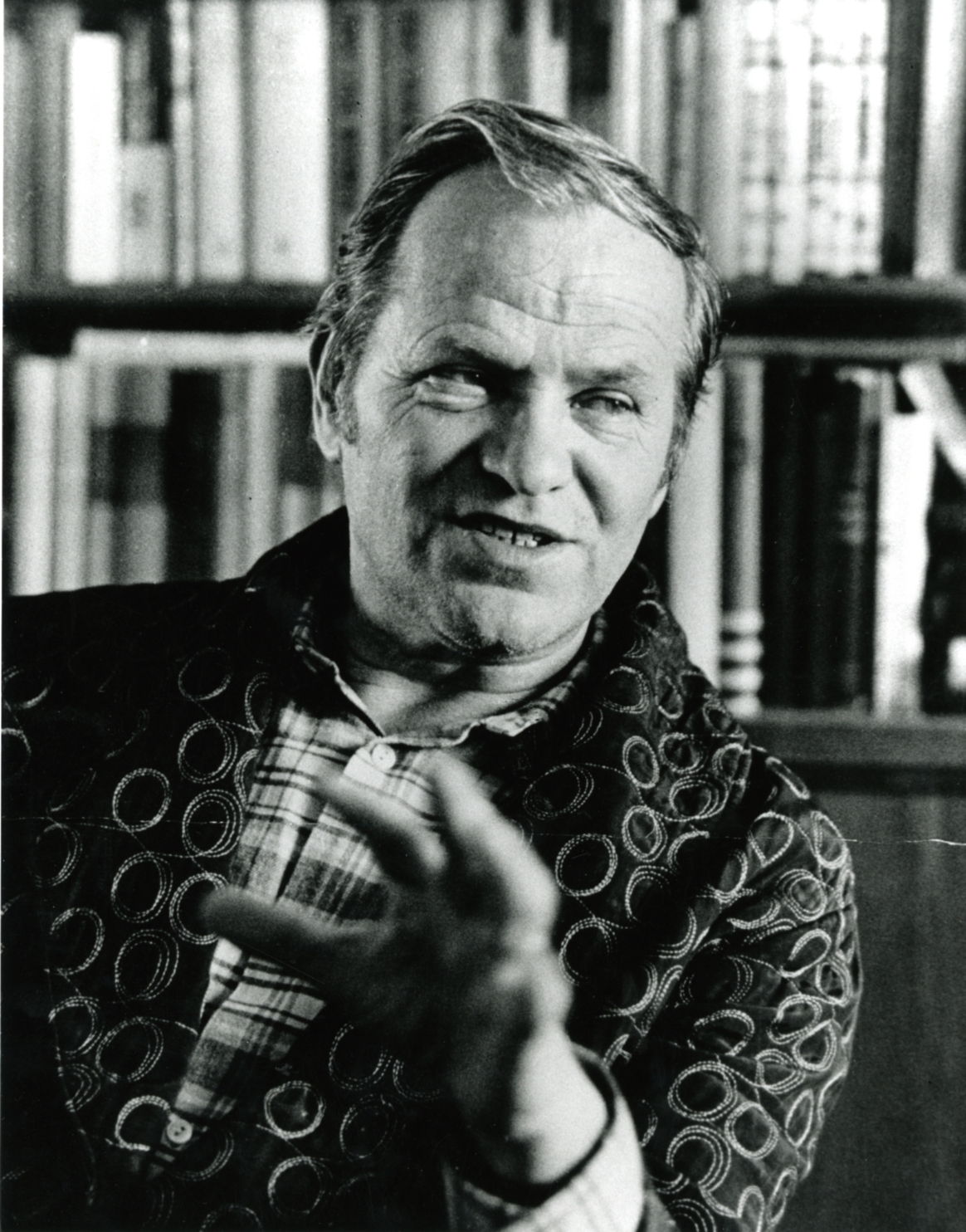 Milan Šimečka Collection of the Czechoslovak Documentation Centre
Milan Šimečka (1930-1990) was a Czech and Slovak philosopher, essayist and publicist. He was one of the prominent personalities of the Czechoslovak opposition from 1968. He published in samizdat and exile, and for this he was detained illegally for a year. The collection contains mainly texts and correspondence.
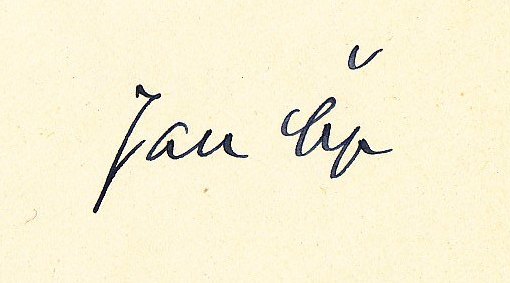 Jan Čep Collection of the Czechoslovak Documentation Centre
Jan Čep (1902-1974) was one of the most prominent representatives of modern Czech prose. His collection contains his manuscripts of radio reflections, which he wrote for Czechoslovak Radio Free Europe. Through his reflections, he tried to face totalitarianism and spiritually strengthen people "at home".
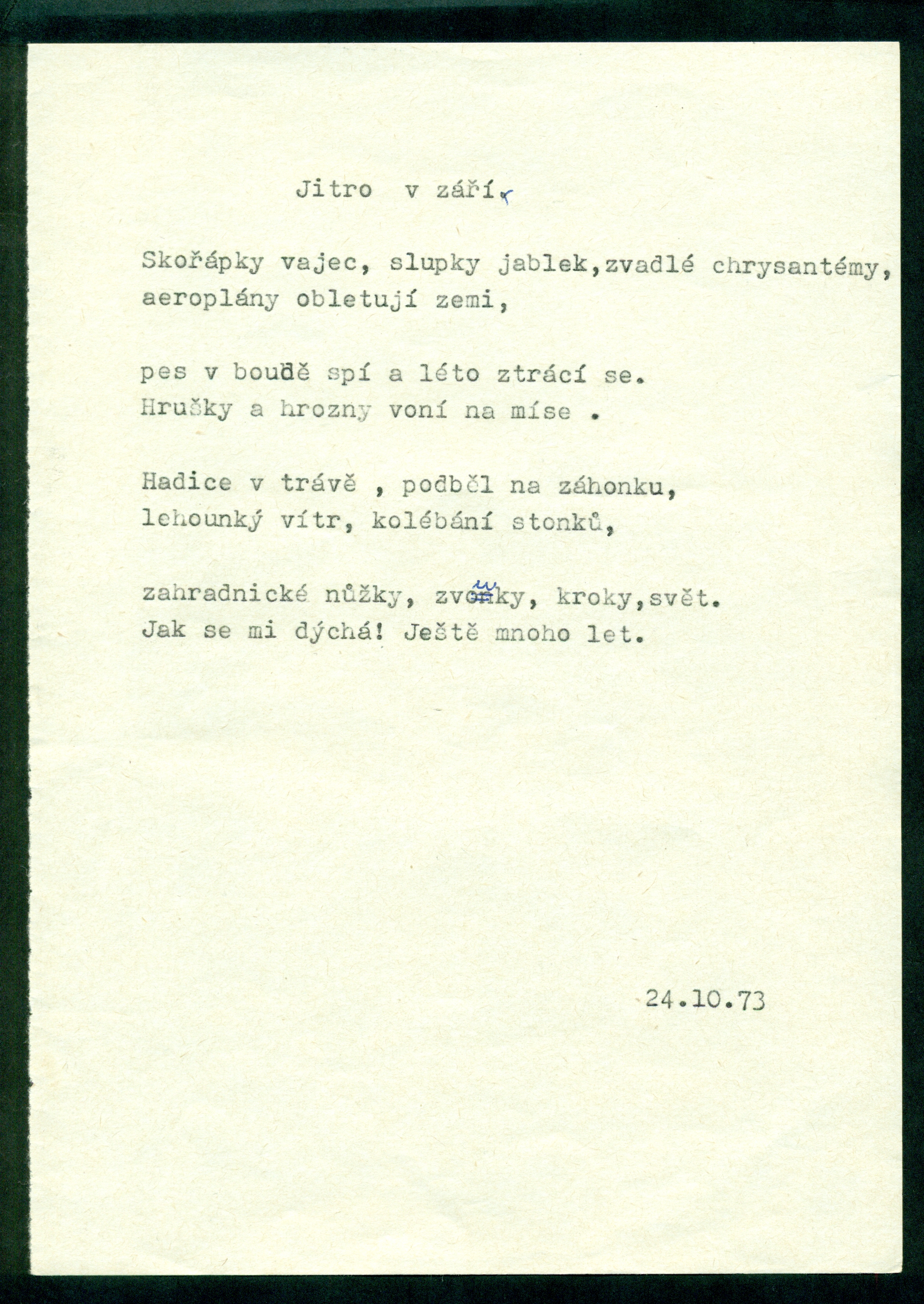
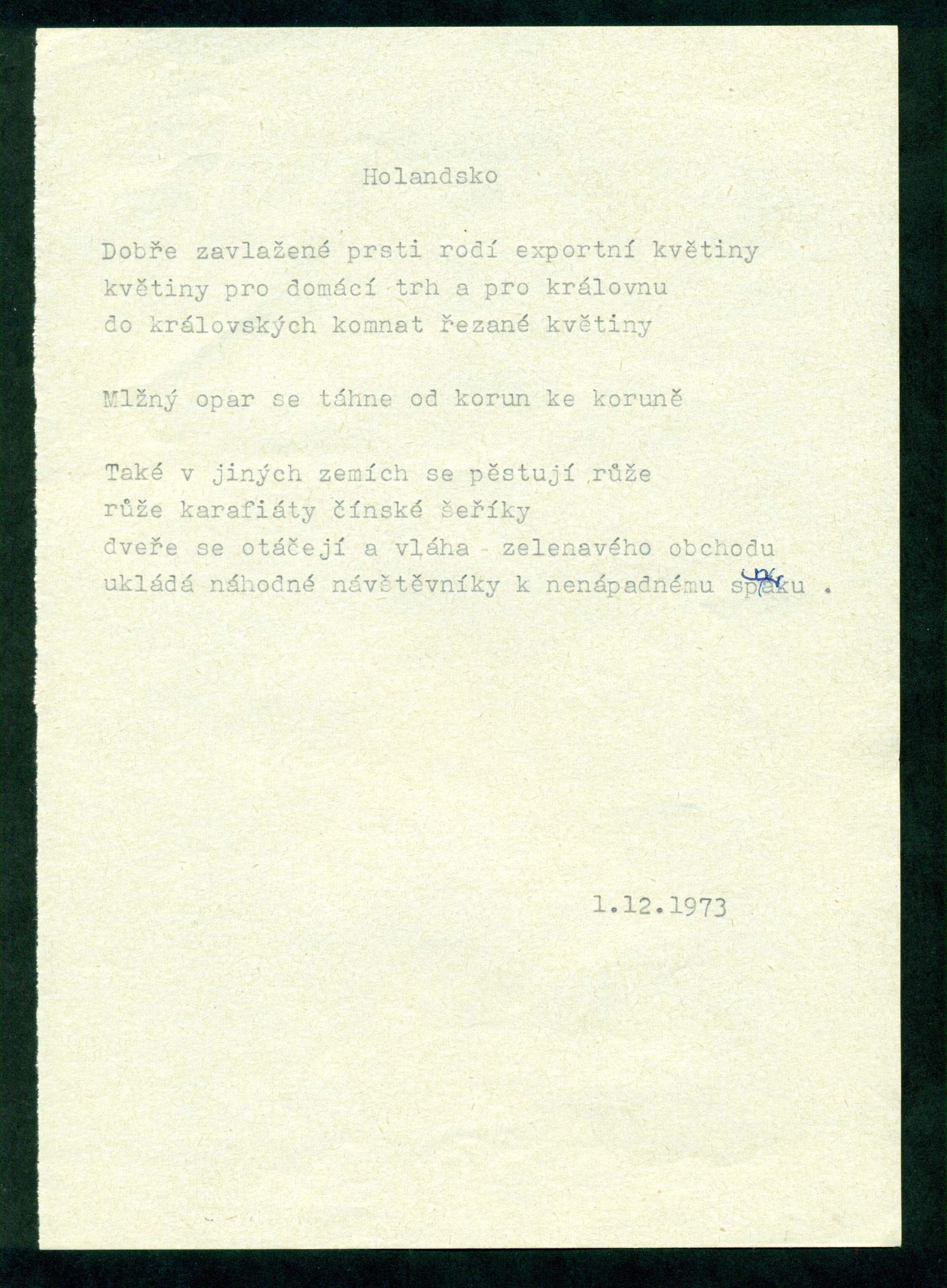
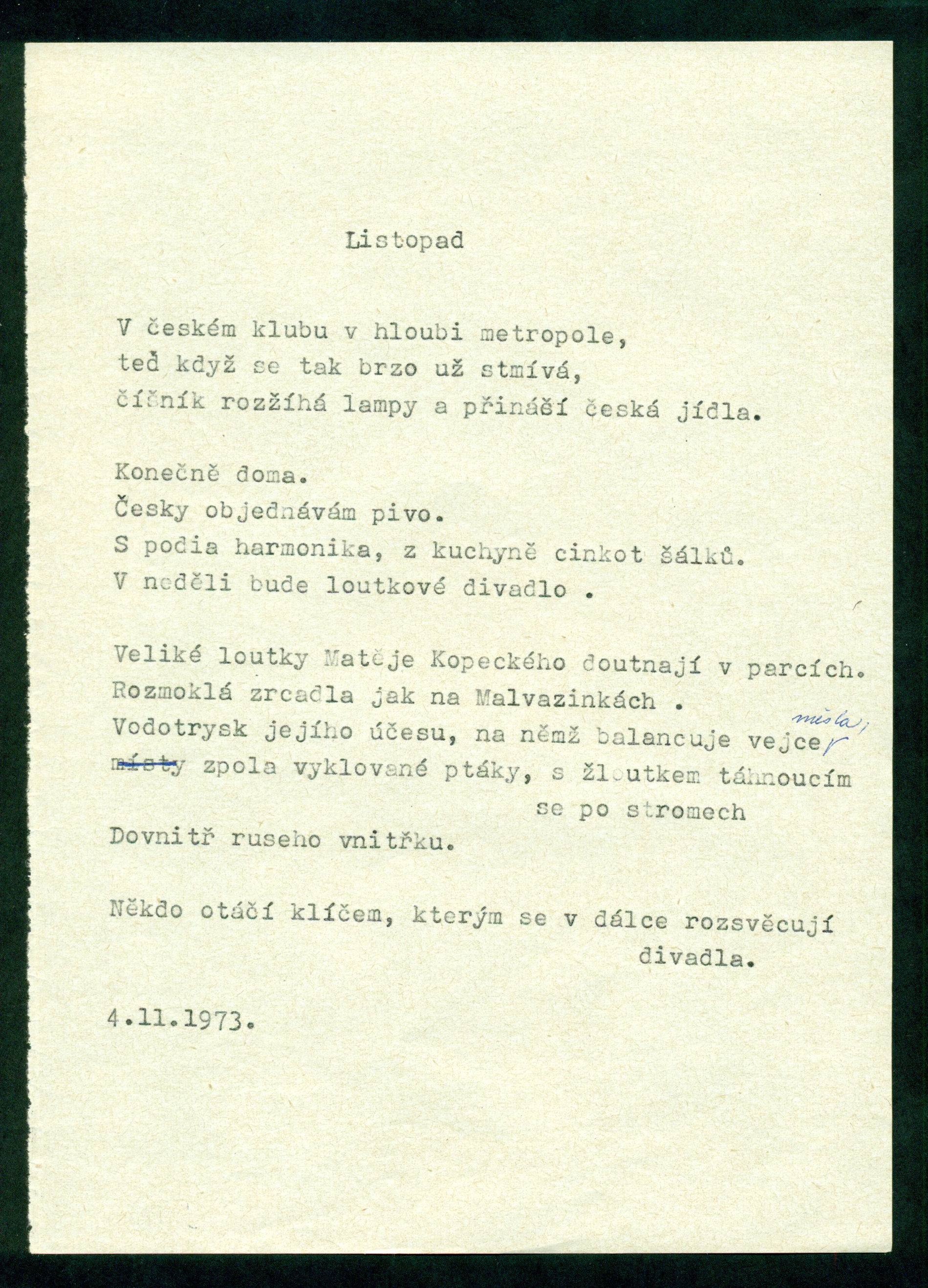 Blatný, Ivan. Old Addresses, in Czech, 1979. Typescript
In 1977, English nurse Frances Meacham began to collect Ivan Blatný’s manuscripts of poems. She also sent some poems to Josef Škvorecký, a Czech writer living in exile in Toronto, Canada. Škvorecký decided to publish Blatný’s poems and thus, the collection of poems Old Addresses (Stará bydliště) was issued by the Czechoslovak exile publishing house Sixty-Eight Publishers in 1979. The collection was compiled during years 1978 and 1979 by Czech poet Antonín Brousek, who emigrated to West Germany in 1969. In accordance with Josef Škvorecký’s request, Brousek intentionally did not include multilingual and “modern” poems. On the contrary, he chose rather lyrical poems that resembled Ivan Blatný’s texts from the beginning of the 1940s. Josef Škvorecký justified this decision stating that their clients (readers of books issued by the publishing house Sixty-Eight Publishers) are usually “elder emigrants, who already had preconceived notions about poetry”. Although Old Addresses did not reflect Blatný’s modern style, the issue of this collection in 1979 was crucial. It resulted in better knowledge of Blatný and his work in exile, and Blatný was rediscovered by Czechoslovak readers, mainly those in exile and dissent circles. This book circulated in Czechoslovakia, where it was disseminated through illegal typescript copies. As Czech literary historian Jiří Rambousek stated later, it “created a small literary sensation.” Thus, it was not surprising that Old Addresses was also published by the Czechoslovak samizdat edition “Czech Expedition”. Moreover, it encouraged Blatný himself to continue in his literary work. Since 1989, this collection has officially been published in Czechoslovakia, and later in the Czech Republic, four times (1992, 1997, 2002 and 2014).
The Museum of Czech Literature possesses a copy of the typescript of the collection Stará bydliště (Old Addresses) with handwritten notes.
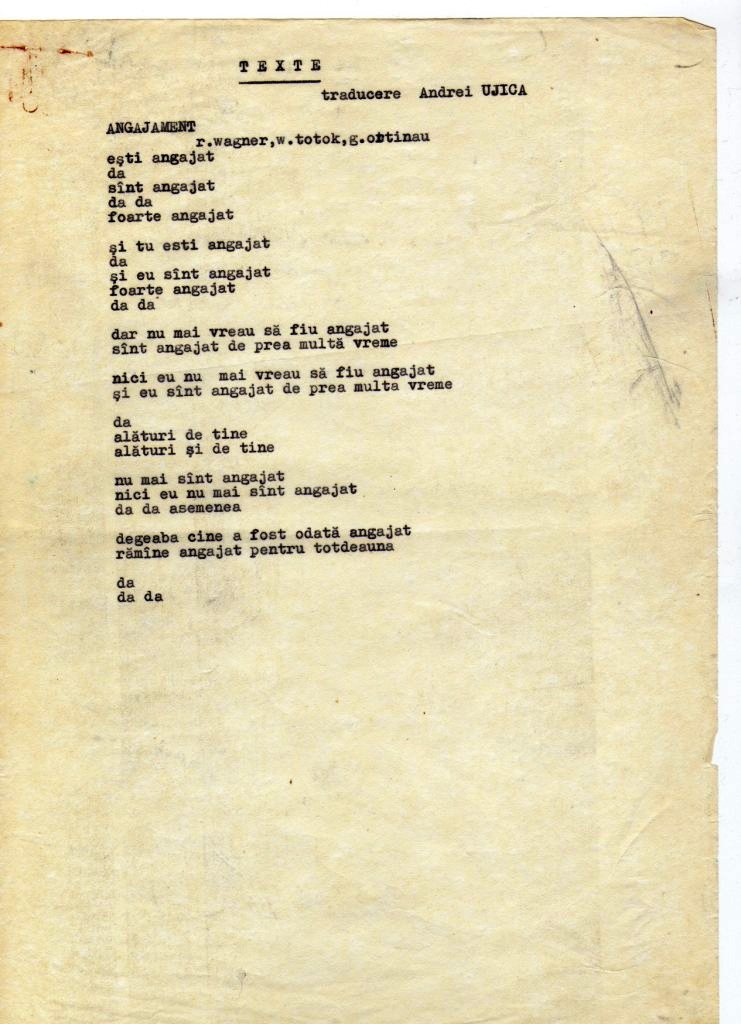 Aktionsgruppe Banat. Engagement, in German, 1974. Manuscript
According to the testimony of the Aktionsgruppe Banat members, the poem was the collective work of the entire group, which they assumed and published as such (Totok 2001, 22). The text was sent for publication in Romania in 1974, but the censorship prevented it. It was first published two years later in a changed form in the West German cultural magazine Akzente: Zeitschrift für Literatur (No. 6/1976; Totok 2001, 22–23).
The poem uses wordplays to suggest the omnipresence of coercion in the society they lived in and it represent a subtle critique of the state–citizens relation in Ceaușescu’s Romania. The authors played with the meanings of the German word Engagement which in the poem could be understood both as employment and (ideological) commitment. In the second part of the poem, the authors suggest overtly and ironically the coercive character of the state–citizen relation in the society they lived in and the impossibility of the latter modifying this relation either in ideological or in practical terms:
“I’ve been engaged for too long
I don’t want to be engaged anymore
I have also been engaged too long
yes
with you
also with you
I am no longer engaged
I am not engaged either
yes yes, me neither
in vain, who was once engaged
remains forever engaged.”
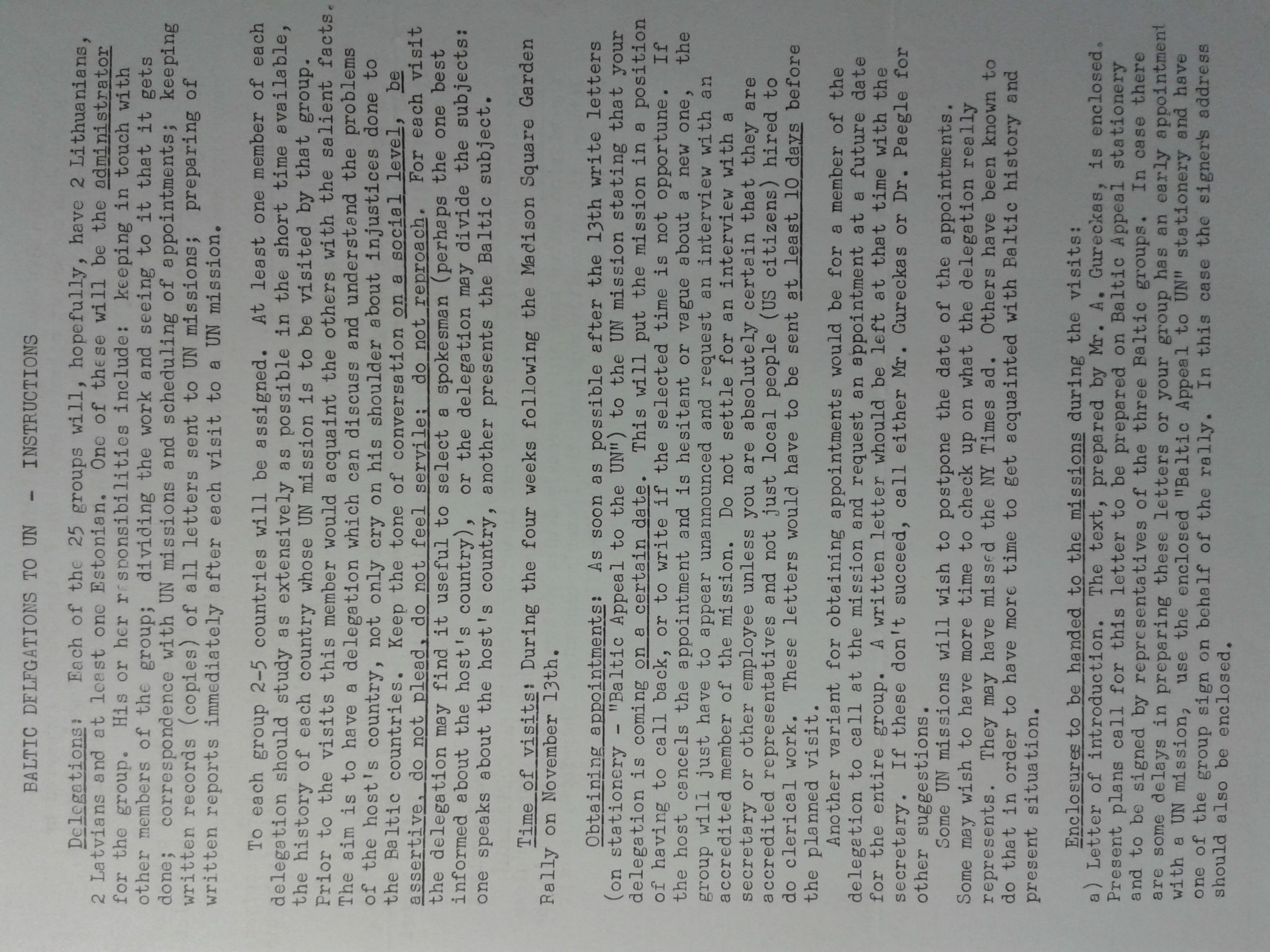
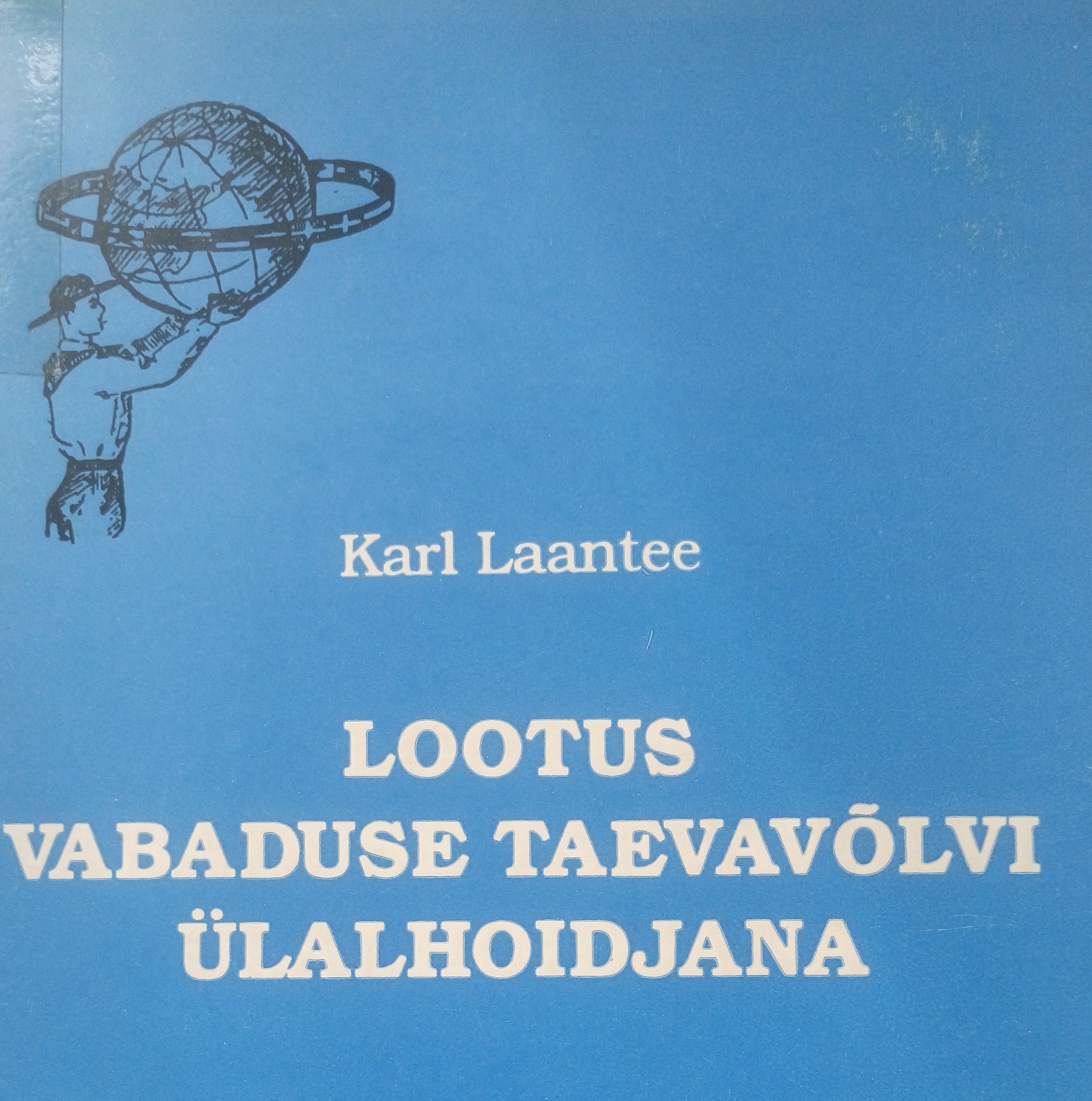
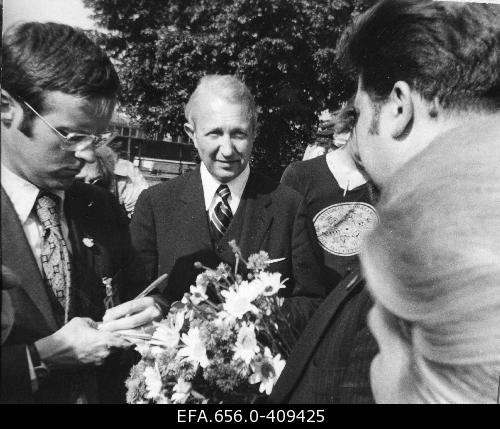
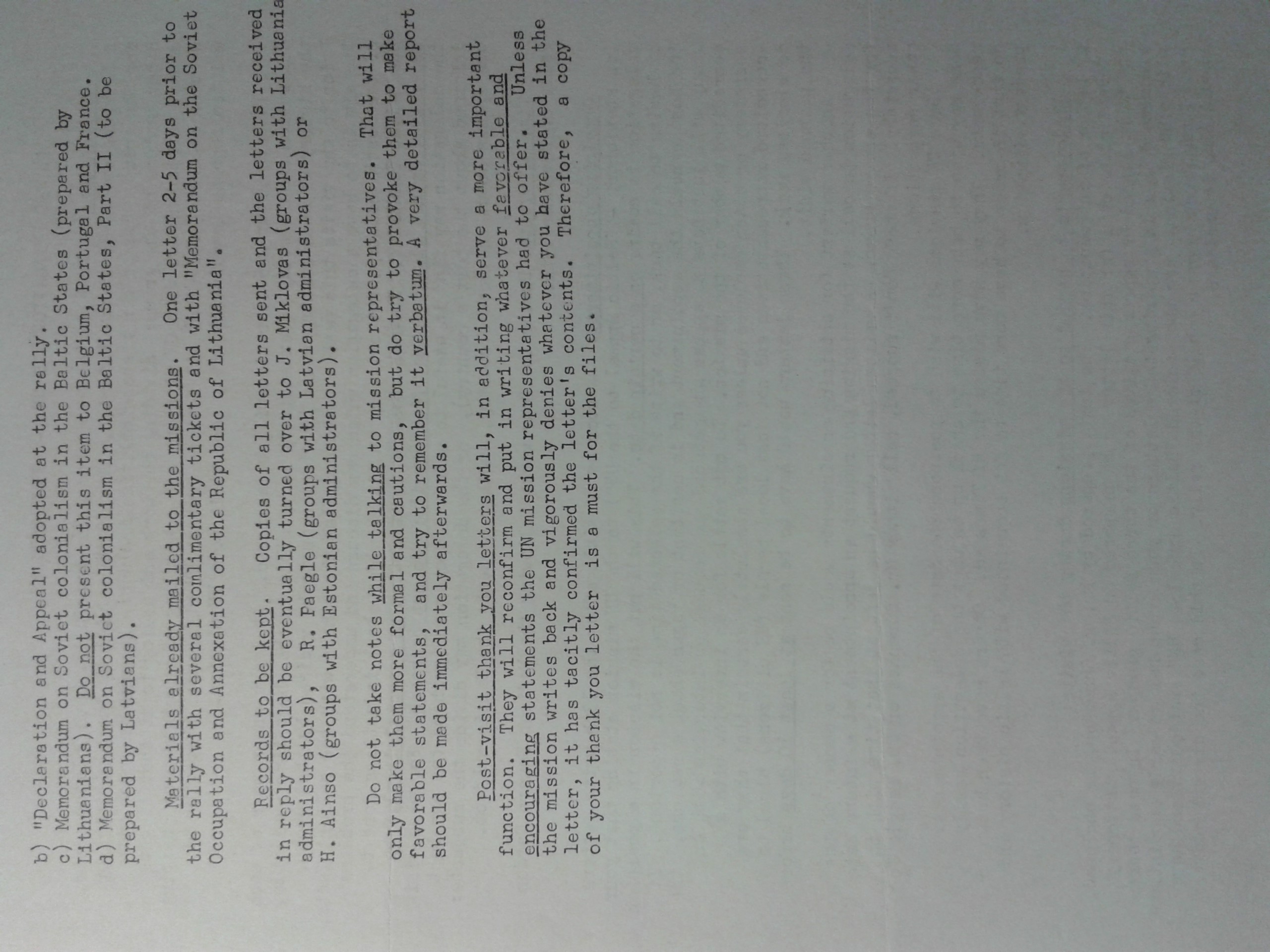 Karl Laantee collection at the Estonian Cultural History Archives
The Karl Laantee collection at the Estonian Cultural History Archive is part of the large archival legacy of Karl Laantee, an émigré Estonian religious activist, and announcer with the Voice of America radio station.
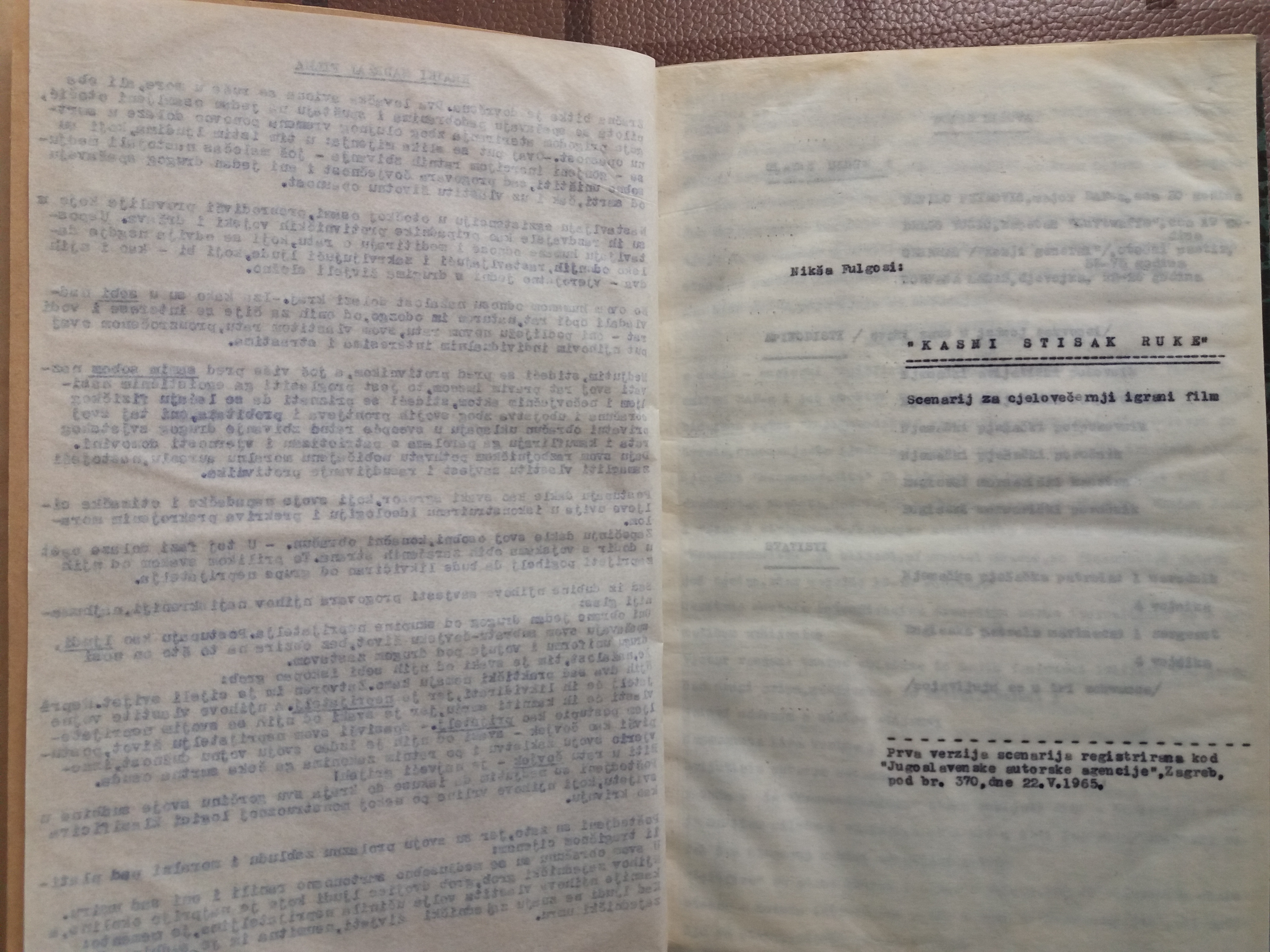 Fulgosi, Nikša. Screenplay for the movie “The Late Handshake," 1965. Typescript
The screenplay for the feature film Kasni stisak ruke (The Late Handshake) from 1965 was the subject of a complex background of human drama based on stories from the Second World War, set in Dalmatia in 1943.
Faced with wartime circumstances and inspired by the universal human aspirations for overcoming the conflict, Fulgosi made a brilliant study of the controversy surrounding the war. However, the film was never made. There is no specific information about the reasons for the screenplay’s rejection. It can be assumed that Fulgosi's unconventional approach and choice of themes had come to the attention of censors as in the case of the making of his first film Mala Jole.
 Jan Patočka Archives
The Jan Patočka Archives (AJP) studies and interprets the philosophical heritage of the Czech philosopher and dissident Jan Patočka (1907-1977). AJP is led by Patočkaʼs pupils and is a unique institute working with Patočkaʼs original texts and also with the attendees of his lectures.
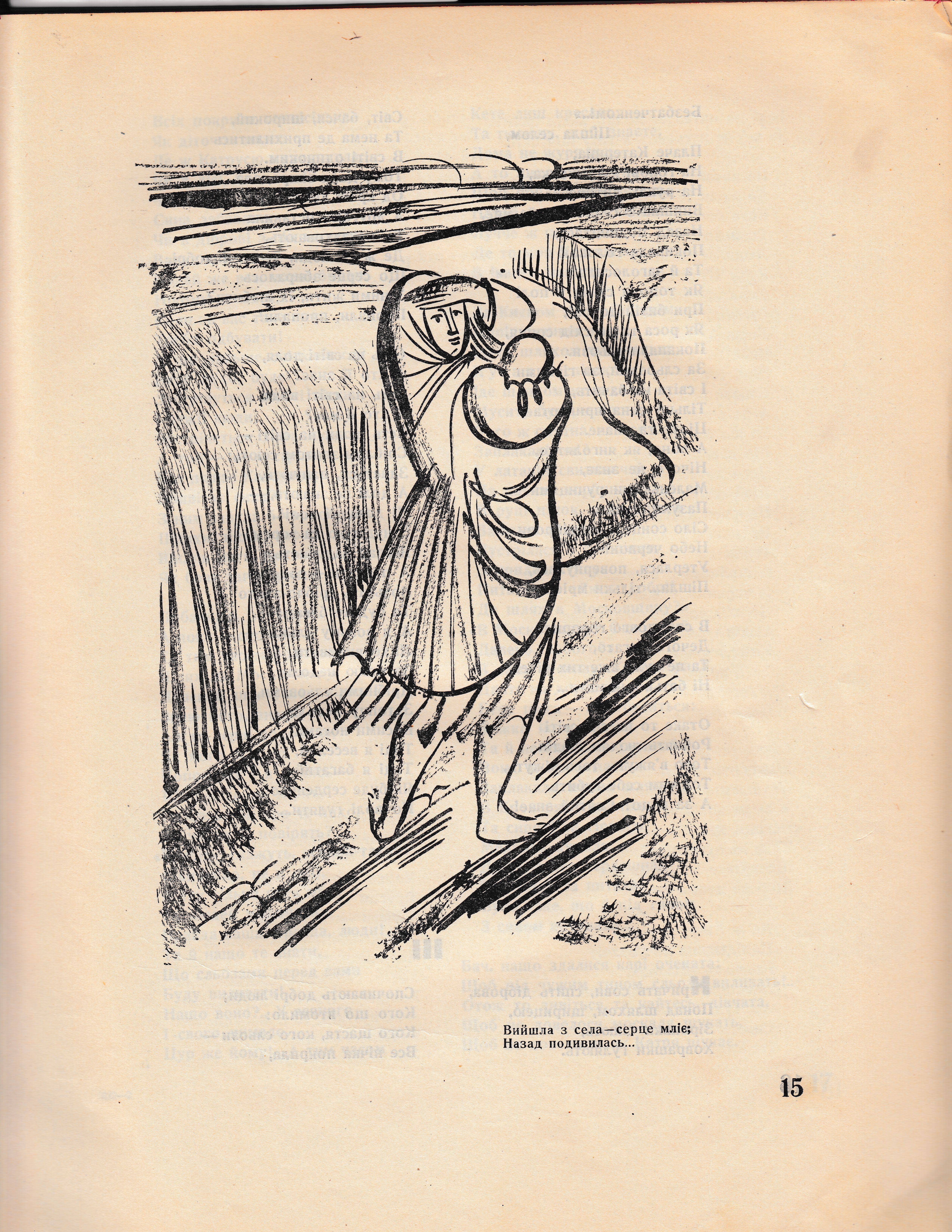 Sedliar, Vasyl. “Famine Edition” of T.H. Shevchenko’s Kobzar, 1933. Illustrations.
This second edition of Taras Shevchenko’s Kobzar was published in Kharkiv in 1933, as famine raged in the Ukrainian countryside following rapid collectivization of agriculture. Vasyl Sedliar provided images for the volume (first published in 1931). His paintings appear to be autonomous representations of the enduring leit motif of Shevchenko’s poetry—the subjugation and suffering of universal man and the plight of Ukrainians, specifically, in the Russian Empire—paired with powerful lines from Shevchenko’s poetry.
Art historian Myroslava Mudrak notes that the works are executed in the embattled Boichukist style, which borrow directly from Byzantine religious imagery—both icons and, most particularly, mural painting—and also incorporate contemporary secular subject matter that drills deeply into the psyche of a subjugated nation. Sedliar’s individual approach infuses these works with an ethereal quality. Figures are not grounded solidly, but tend to be suspended, like spirits. Moreover, there is a preponderant anonymity, which appeals to the larger existential issues of the human condition under oppression. Sedliar was keenly aware of what was going on around him, but as an artist he expressed it transcendently. Both he and the editor of this volume were arrested and executed during the Stalinist purges of the 1930s, along with many of their colleagues who had helped create what became known as Soviet culture.
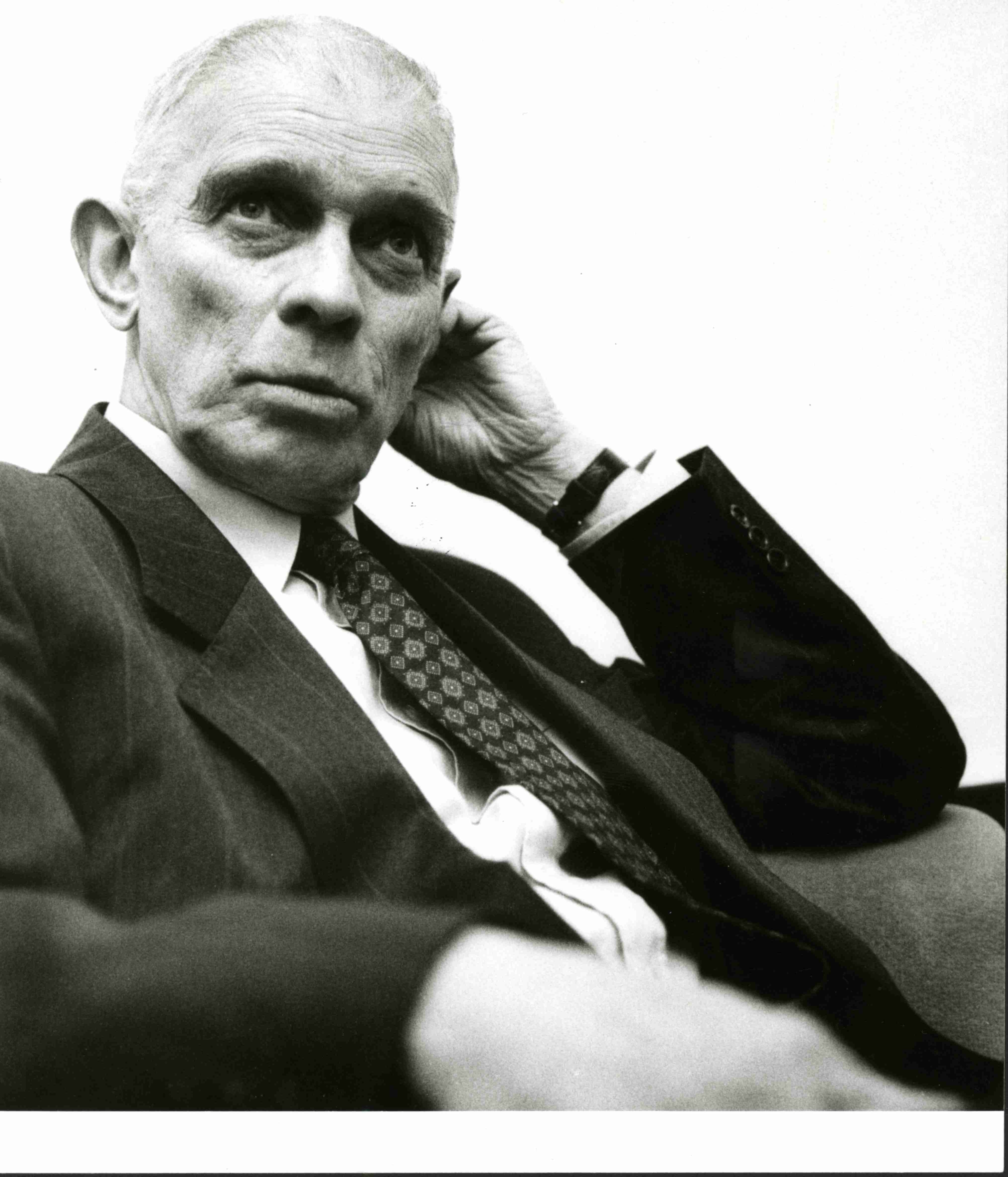 Ivan Medek Collection of the Czechoslovak Documentation Centre
Ivan Medek (1925-2010) was a prominent Czech music publicist, a signatory of Charter 77 and a founding member of VONS. In 1978 he went into exile, where he founded the Press Service and worked with Voice of America and Radio Free Europe. This collection contains unique documents from his exile activity.
 ANSCHLAG
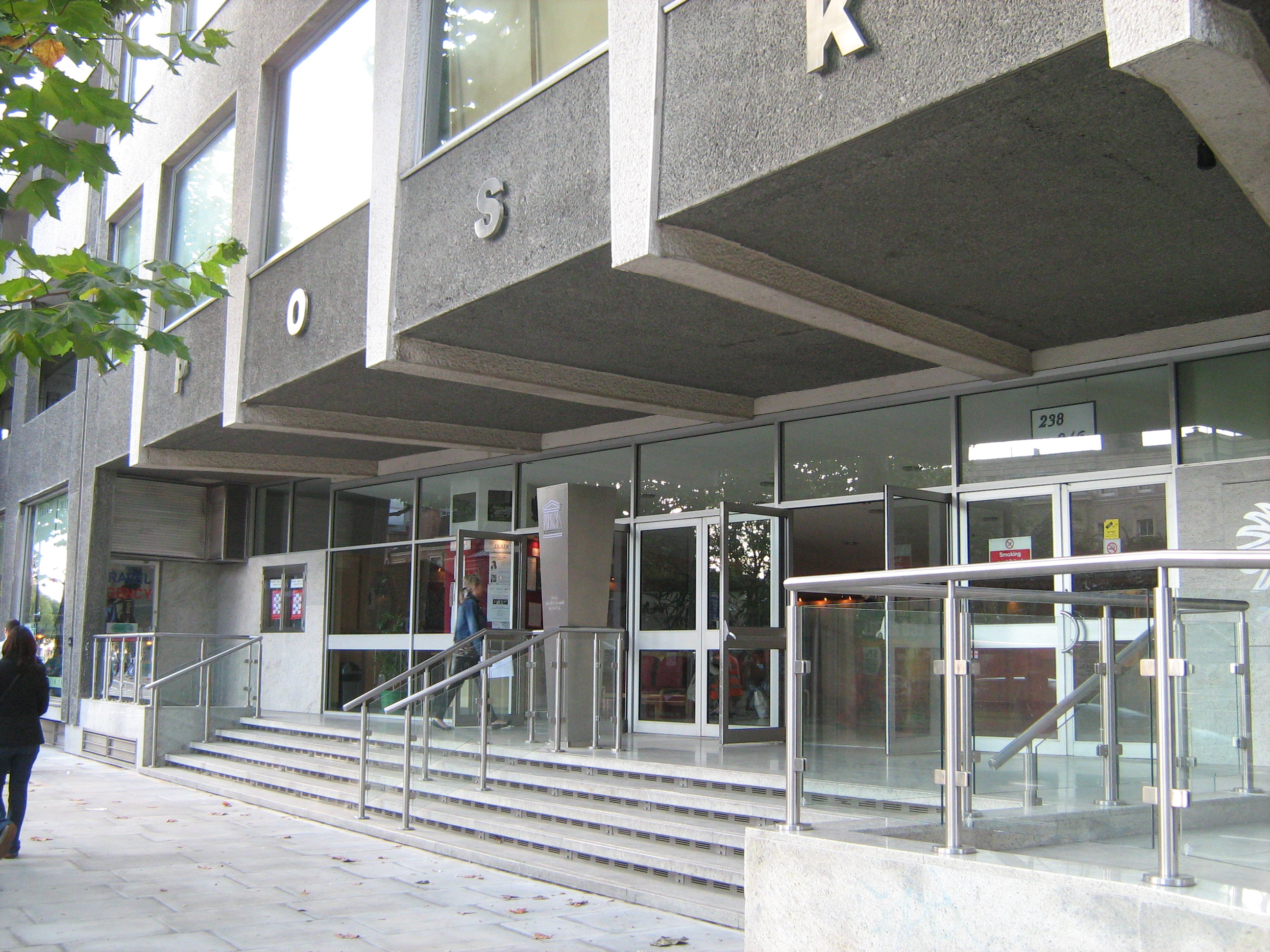 Polish Underground Publications Collection at Polish Library POSK in London
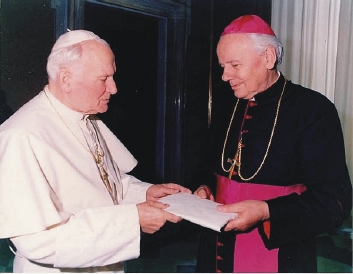 Romanian Greek Catholic Church Ad-hoc Collection at CNSAS
The collection reflects, on the one hand, the oppositional activity of the Romanian Greek Catholic (Uniate) Church towards the communist regime, and, on the other hand, the intense surveillance and harsh repression of this Church carried out by the repressive apparatus of the communist authorities. The Romanian Greek Catholic Church Ad-hoc Collection represents the most comprehensive collection of documents, which illustrates the multilayered resistance to dictatorship of one of the most repressed religious groups in communist Romania and its vivid underground religious activity from 1948 to 1989.
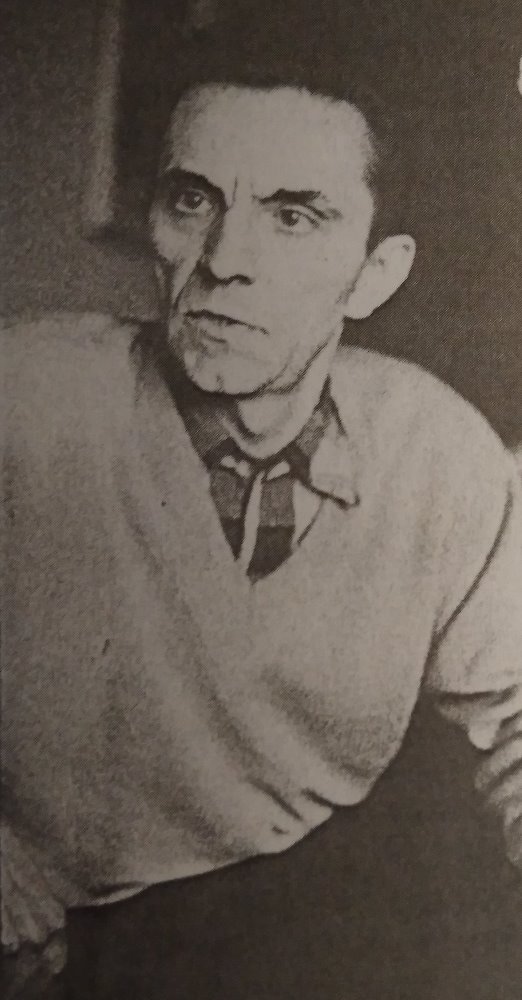 Jan Tesař Collection at the Moravian Museum
The collection is important proof of the activities of a left-thinking historian, a "spiritual father" and co-founder of the Committee for the Defence of the Unjustly Prosecuted (VONS), a co-publisher of unofficial periodic Dialogy, who was imprisoned several times and forced to go to exile, where he collaborated with dissidents from other socialist countries.
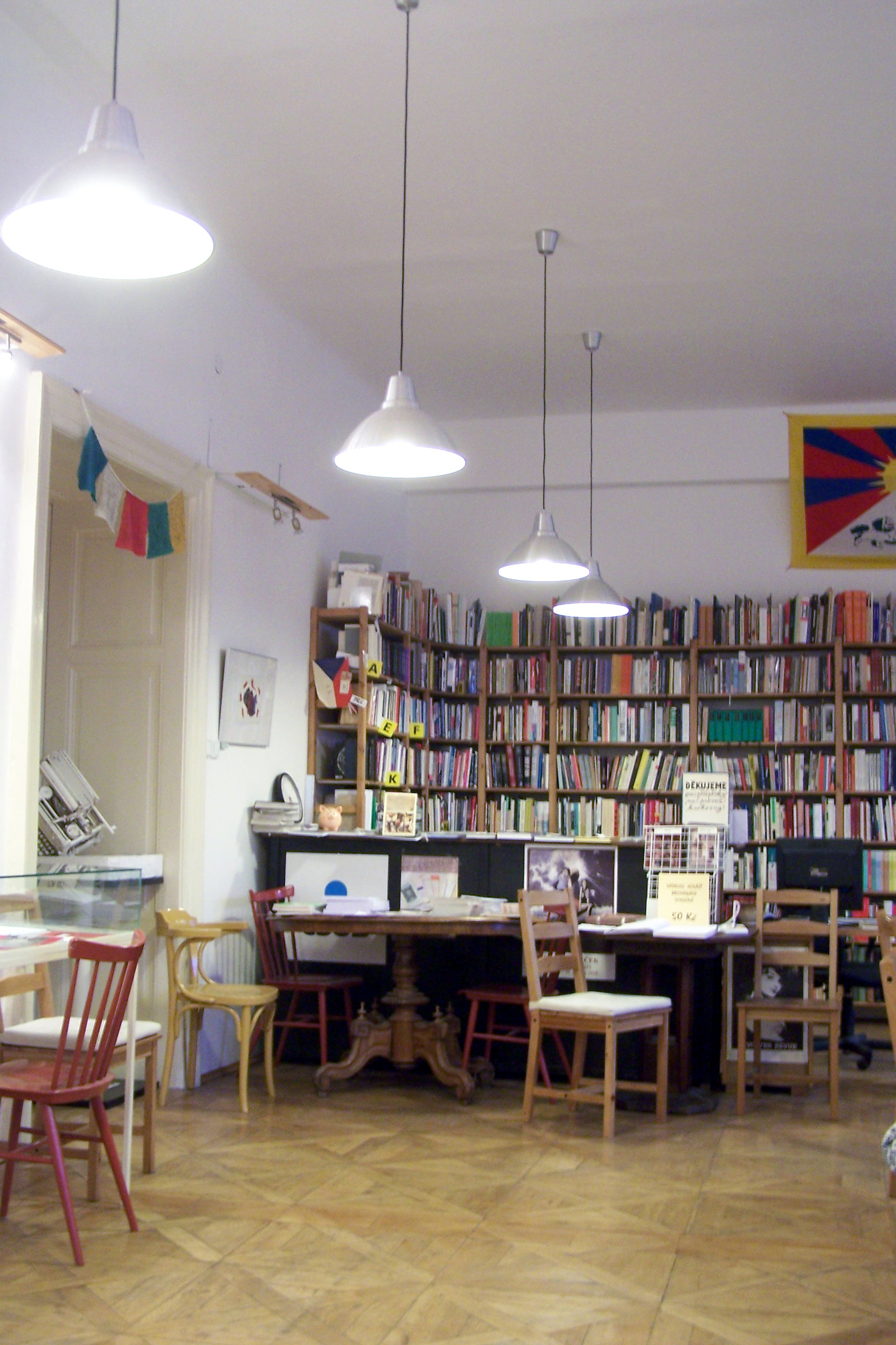
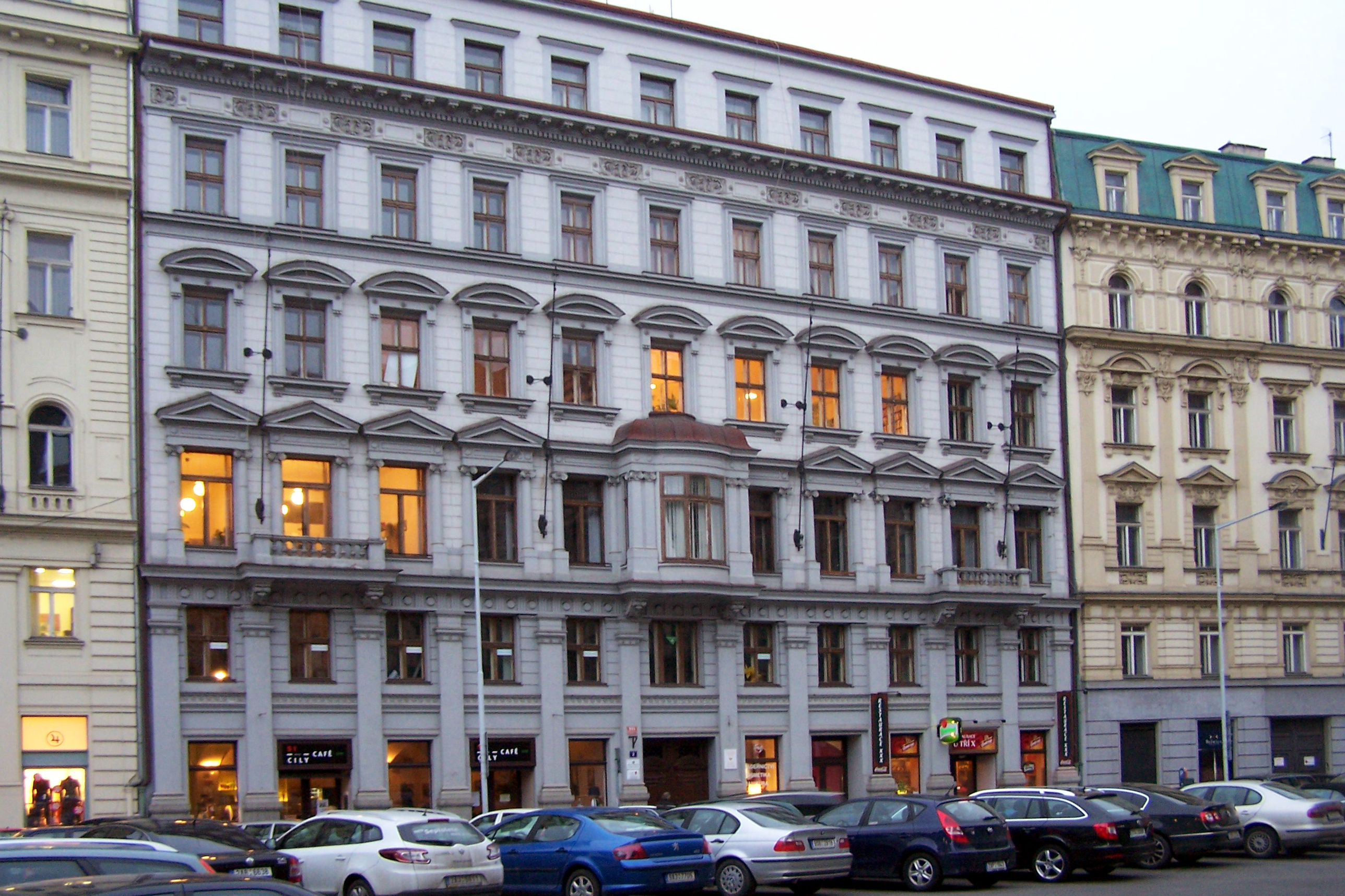 Czech Exile Collection at Libri Prohibiti
The Libri Prohibiti’s collection of Czech exile monographs and periodicals contains over 8100 publications including the complete works of many publishers. More than 940 titles of Czechoslovak exile periodicals, some of them complete editions, are part of this collection as well.
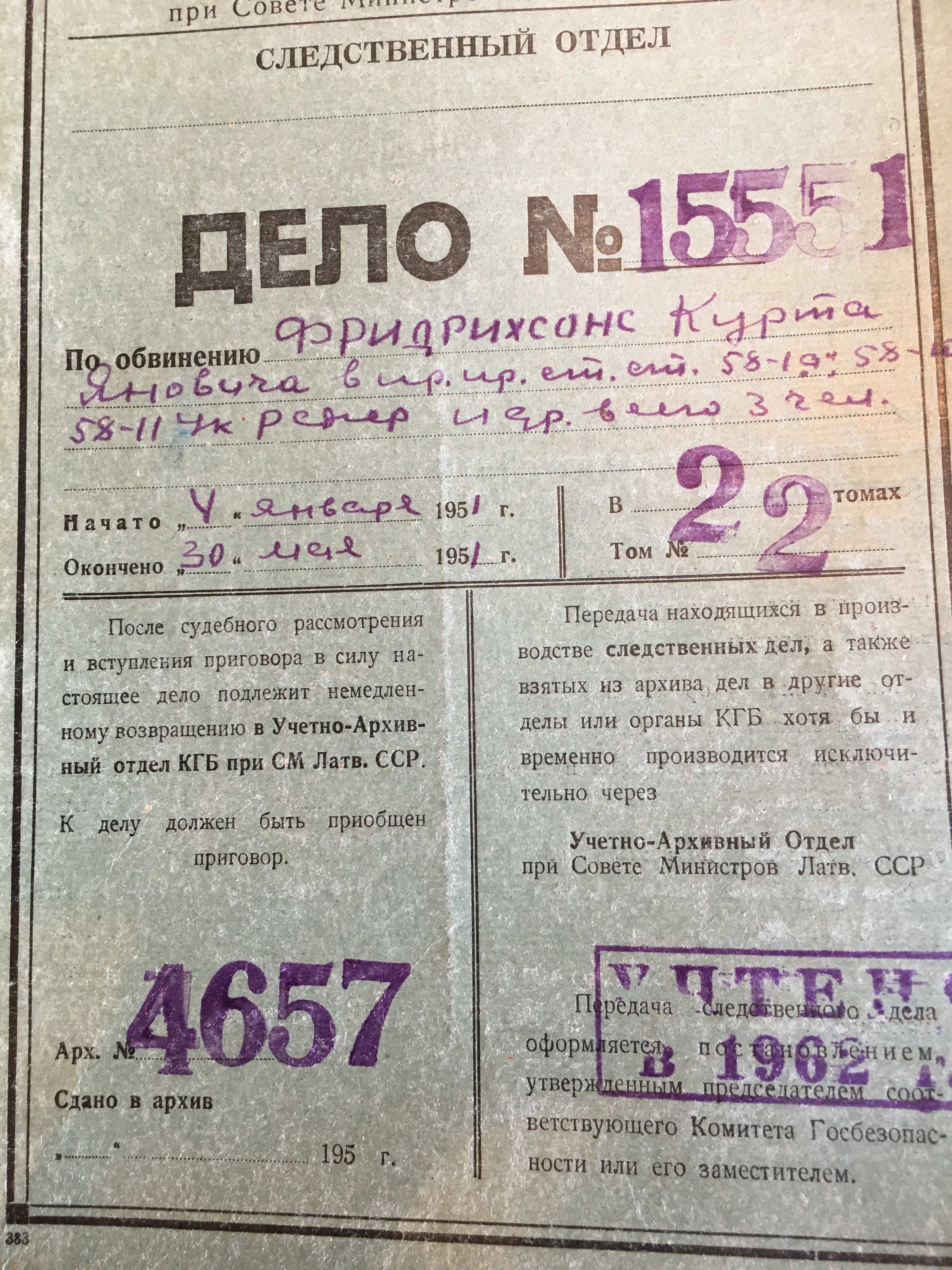 Files of political prisoners in Latvia (1940-1986)
The collection of files of political prisoners contains the criminal cases against people who were charged by Soviet security institutions (NKVD/MGB/KGB) of real or imaginary crimes against the Soviet state from 1940 to 1986, including many intellectuals and religious activists. The files of visual artist Kurts Fridrihsons and poet Knuts Skujenieks, participants in the Action of Light, and many others, are in this collection.
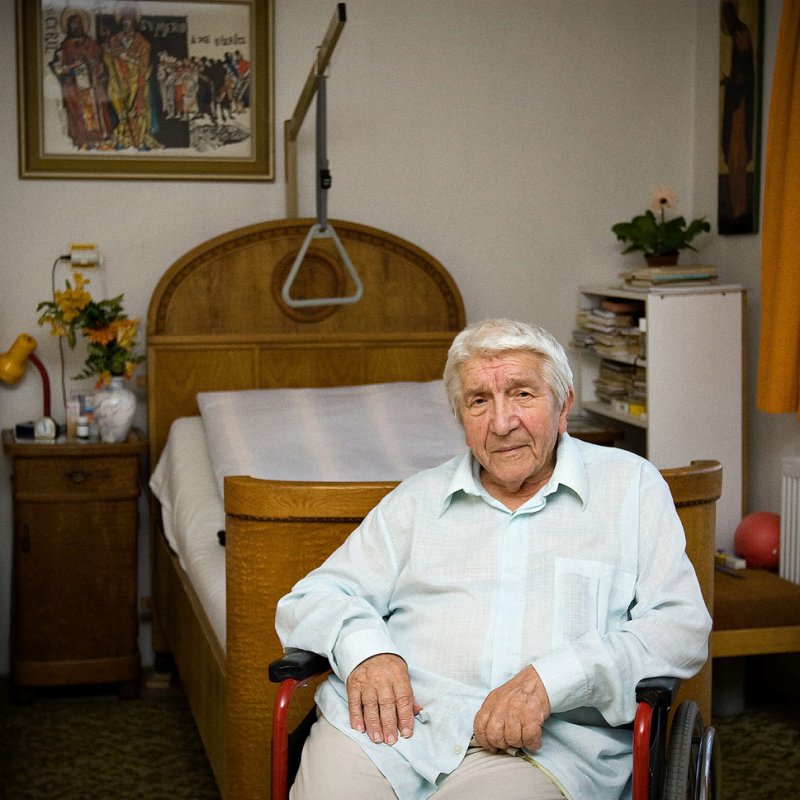 Printer Krumpholc
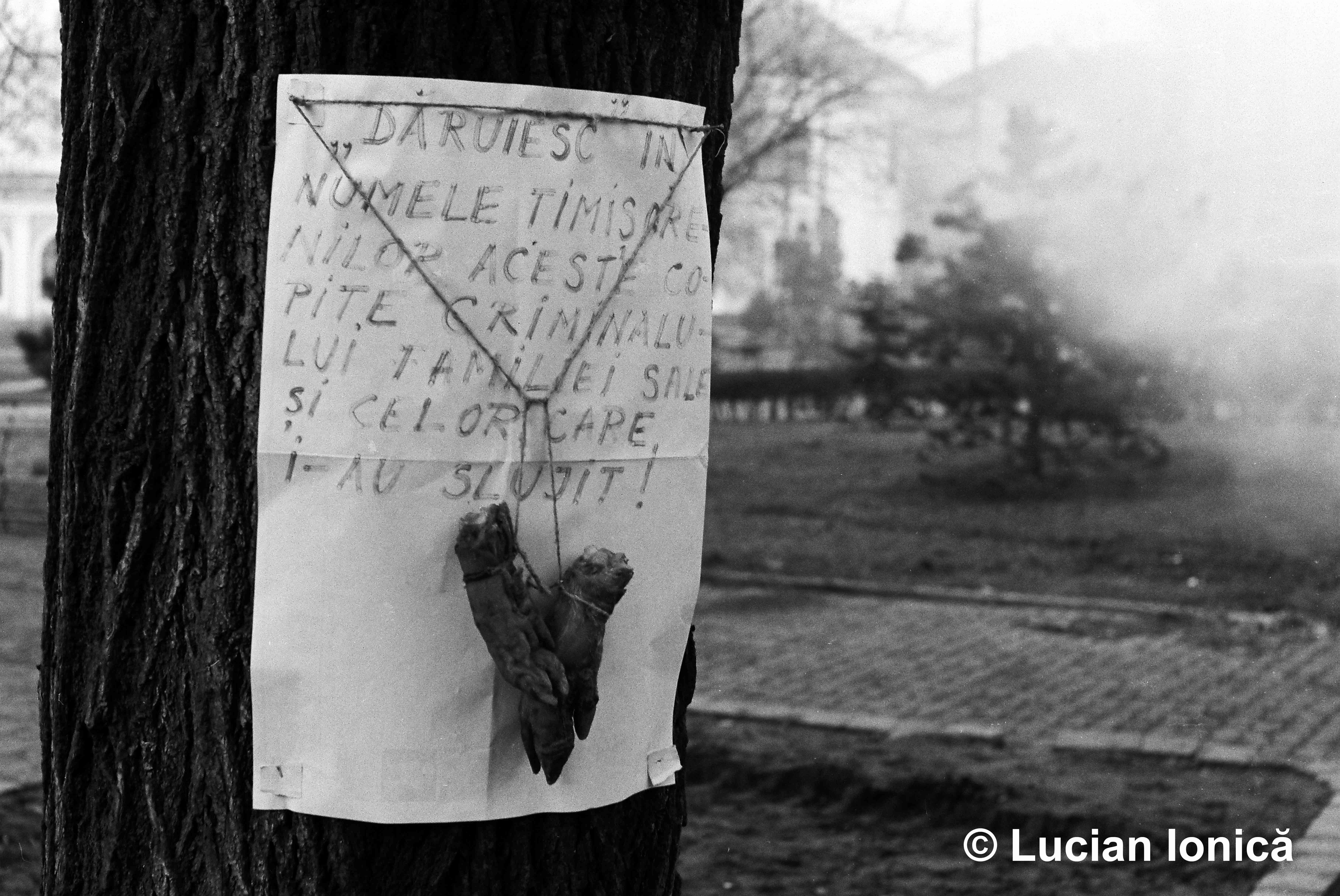 Revolution of 1989 in Timișoara - Private Photograph Collection
The Lucian Ionică private collection is one of the few collections of snapshots taken during the tensest and most feverish days of the Romanian Revolution of December 1989 in the city of Timişoara, the place where the popular revolt against the communist dictatorship first broke out. The photographic documents in this collection preserve the memory both of the dramatic moments before the change of regime and of the days immediately after the fall of Nicolae Ceauşescu, when sudden freedom of expression produced moments no less significant for the recent history of Romania.
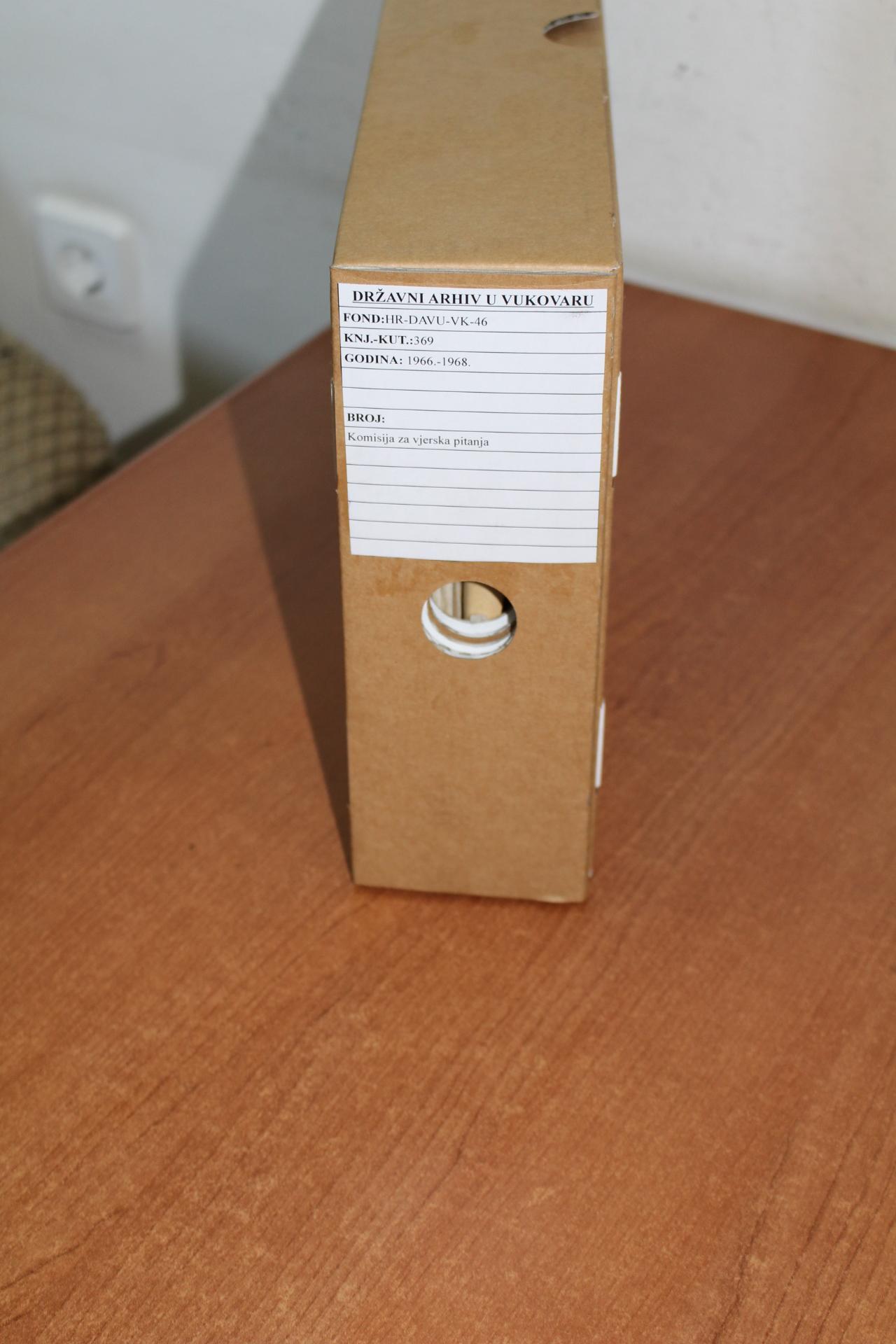 Commission on Religious Matters of the Vinkovci Municipal Assembly (1963-1993)
The records of the Commission on Religious Matters of the Vinkovci Municipal Assembly in the State Archives in Vukovar (at present situated in the Archival Collection Centre in Vinkovci) is a part of the archival fund of the Vinkovci Municipal Assembly covering the period from 1963 until 1993. The collection contains materials that testify to the local oppositional activity of different religious institutions from the area under the jurisdiction of the Vinkovci Municipal Assembly and also to the state control over them.
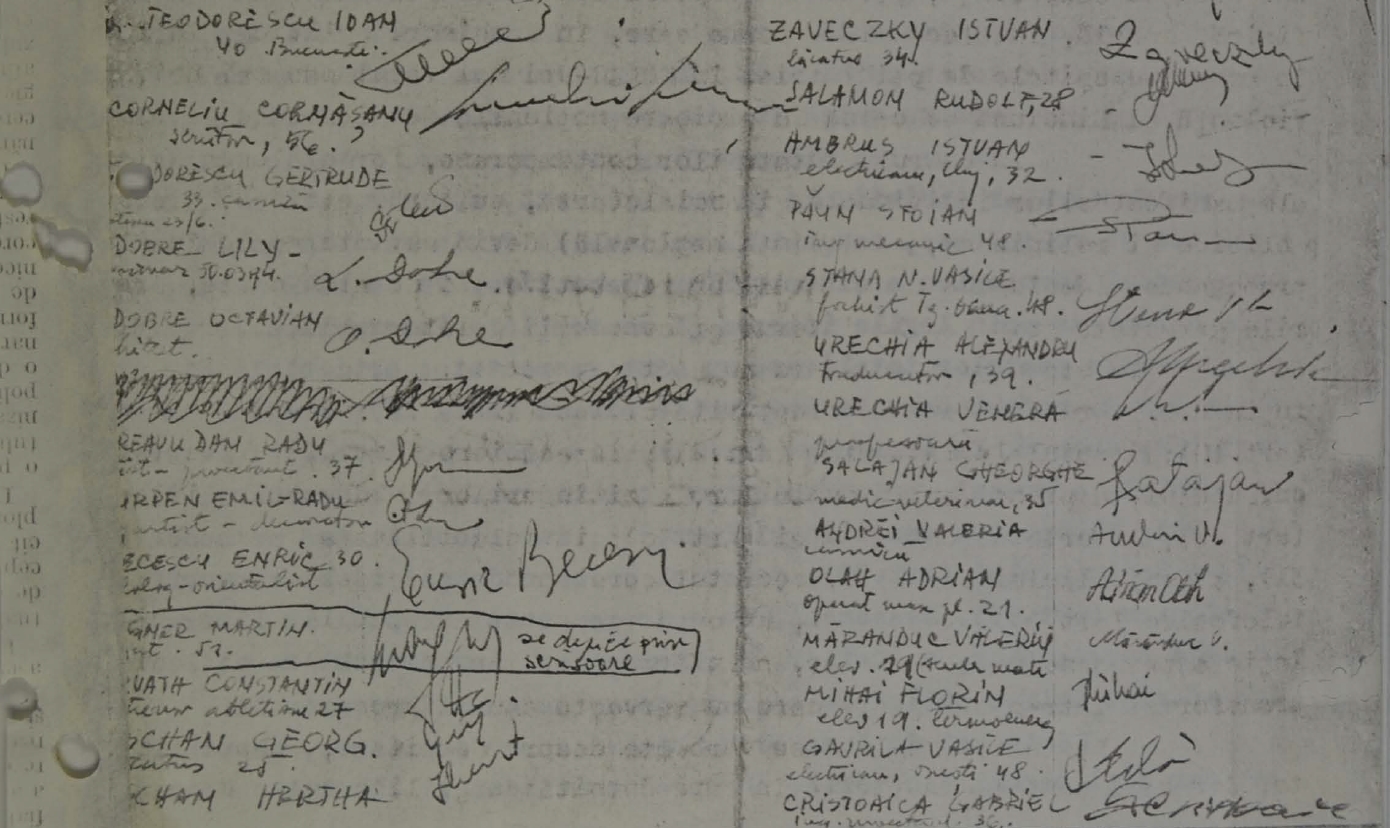 Goma, Paul. List of the signatures in support of the human rights protest, 1977
The trigger of the struggle for human rights in this region, which was considered by many analysts a fundamental factor in the collapse of communism in 1989, was the Helsinki Agreements of 1975. The very idea of monitoring human rights abuses, which the Charter 77 grasped from these agreements and promoted until 1989, also inspired Goma and perhaps others in the Soviet bloc. This idea, however, was entirely novel in the countries of East-Central Europe, including Romania. Most individuals in this region lacked the necessary background to fully grasp a problem which was central in Western political thinking, but absent or distorted in local politics even before communism. Nonetheless, due to the transnational travel of ideas, movements for human rights gradually emerged after 1975. In Romania, the ephemeral movement arose around an arid letter addressed to the First Follow-Up Meeting of the Conference on Security and Cooperation in Europe (CSCE), which was to take place in Belgrade beginning in 1977. This letter was initially signed only by Goma, his wife Ana Maria Năvodaru and six other persons: Adalbert Feher, a worker; Erwin Gesswein and Emilia Gesswein, a couple of instrumentalists with the Bucharest Philharmonic Orchestra; Maria Manoliu and Sergiu Manoliu, mother and son, both painters; and Şerban Ştefănescu, a draftsman. However, by the day of Goma's arrest, 192 individuals had endorsed this collective letter of protest. The list of signatures was confiscated from Paul Goma's residence at the moment of his arrest, but he had managed to send it to Radio Free Europe in advance. The lists confiscated by the secret police in 1977 were returned to Paul Goma in 2005. Thus, the document listing all these persons is now part of Paul Goma Private Collection in Paris, but copies can be found in the CNSAS Archives in Bucharest (ACNSAS, Informative Fonds, File I 2217/7), as the secret police preserved them in Goma’s informative surveillance file, and in the Vera and Donald Blinken Open Society Archives in Budapest (OSA/RFE Archives, Romanian Fond, 300/60/5/Box 6, File Dissidents: Paul Goma).
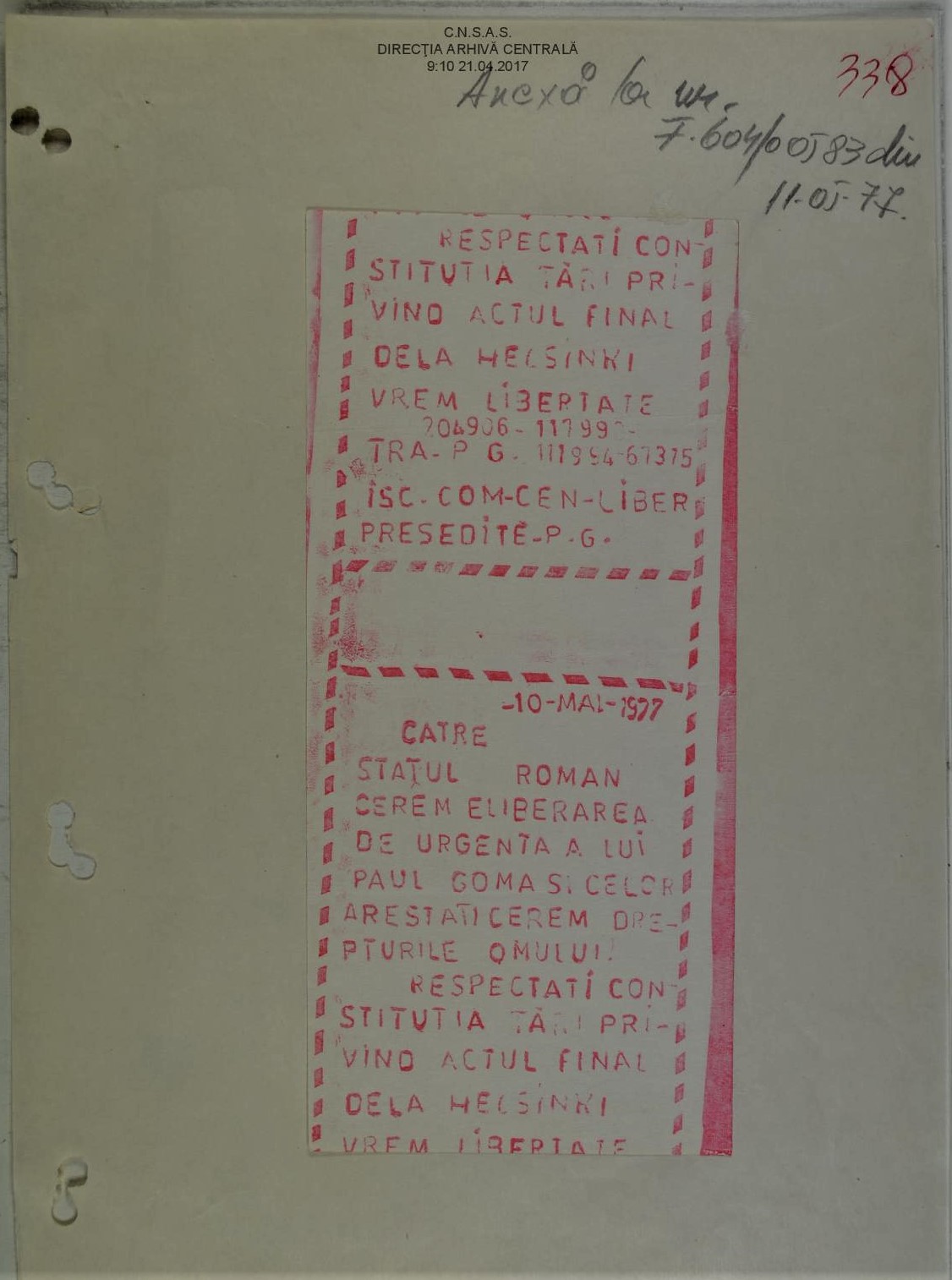 Unknown author. Manifesto for Goma's Liberation from Prison, 10 May 1977
A Securitate report contains information about a bunch of leaflets which were found somewhere near the Timpuri Noi (Modern Times) factory in Bucharest. The Securitate report says that the manifestos were found on 10 May 1977, in fact four days after Goma’s release. However, the date it is not randomly chosen because this was Romania’s National Day before communist rule, which was significant because it symbolised the Royal Family of Romania, which was forced into exile by the communist authorities. The Securitate officers noted that the pieces of paper were found by some workers in a small perimeter, between two factories situated quite close to the city centre. The report states very clearly that manifestos like these were not found in other neighbourhoods or out of the city. The little hand-made manifestos contained the following text: “To the Romanian state: We ask for the release of Paul Goma and those who are under arrest. We ask for respect of Human Rights! Respect the Constitution of Romania in accordance with the Helsinki Final Act. We want freedom!” Two of these leaflets have been preserved in the original in the CNSAS Archives. These leaflets illustrate that the impact of the Goma movement on Romanian society was more significant than the statistics compiled by the Securitate indicate (ACNSAS, Informative Fonds, File I 2217/10, f. 337-338).
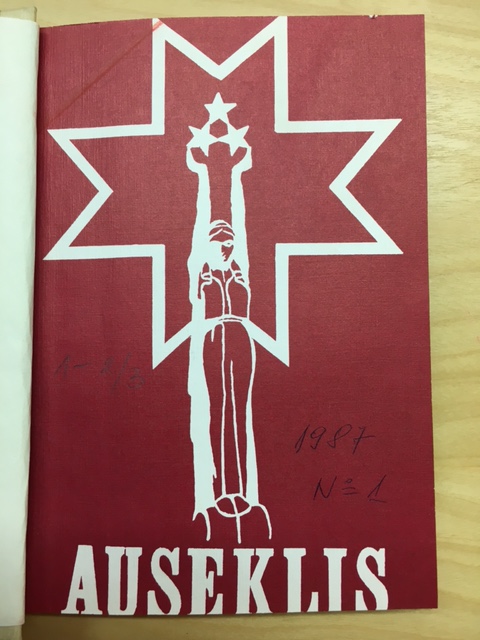
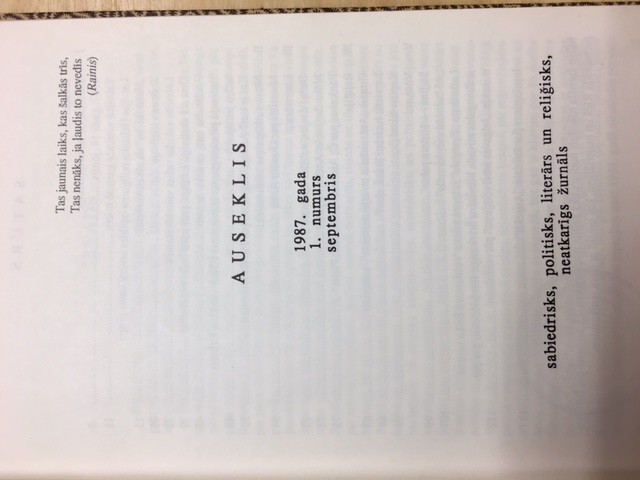 Periodical Auseklis Collection
The periodical Auseklis (Morning Star) was a samizdat magazine published in 1987-1988 by the human rights group Helsinki-86, and was the first independent periodical in Soviet Latvia. It was distributed by volunteers outside official distribution networks.
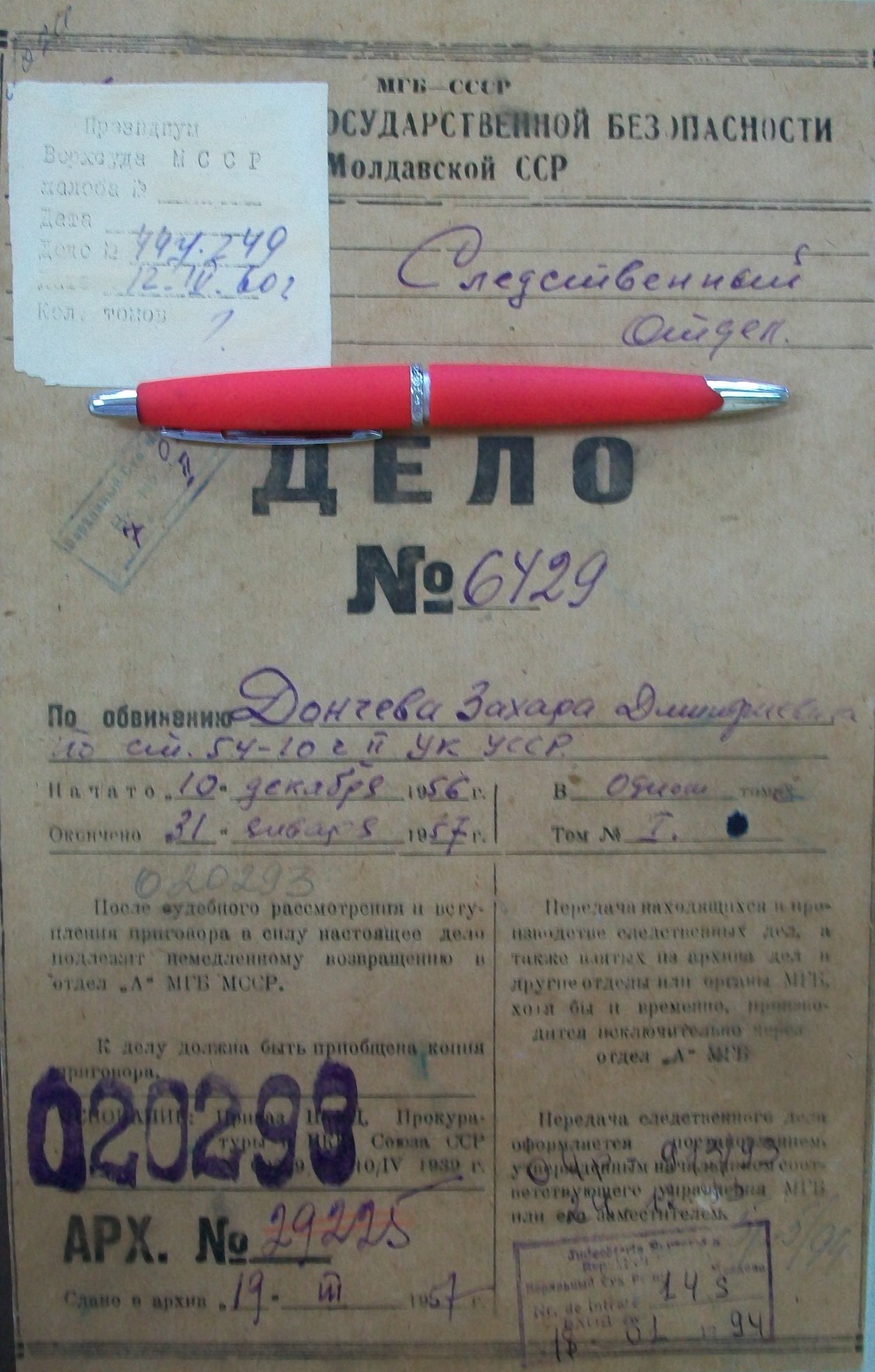 Zaharia Doncev Collection at SIS Archive Moldova
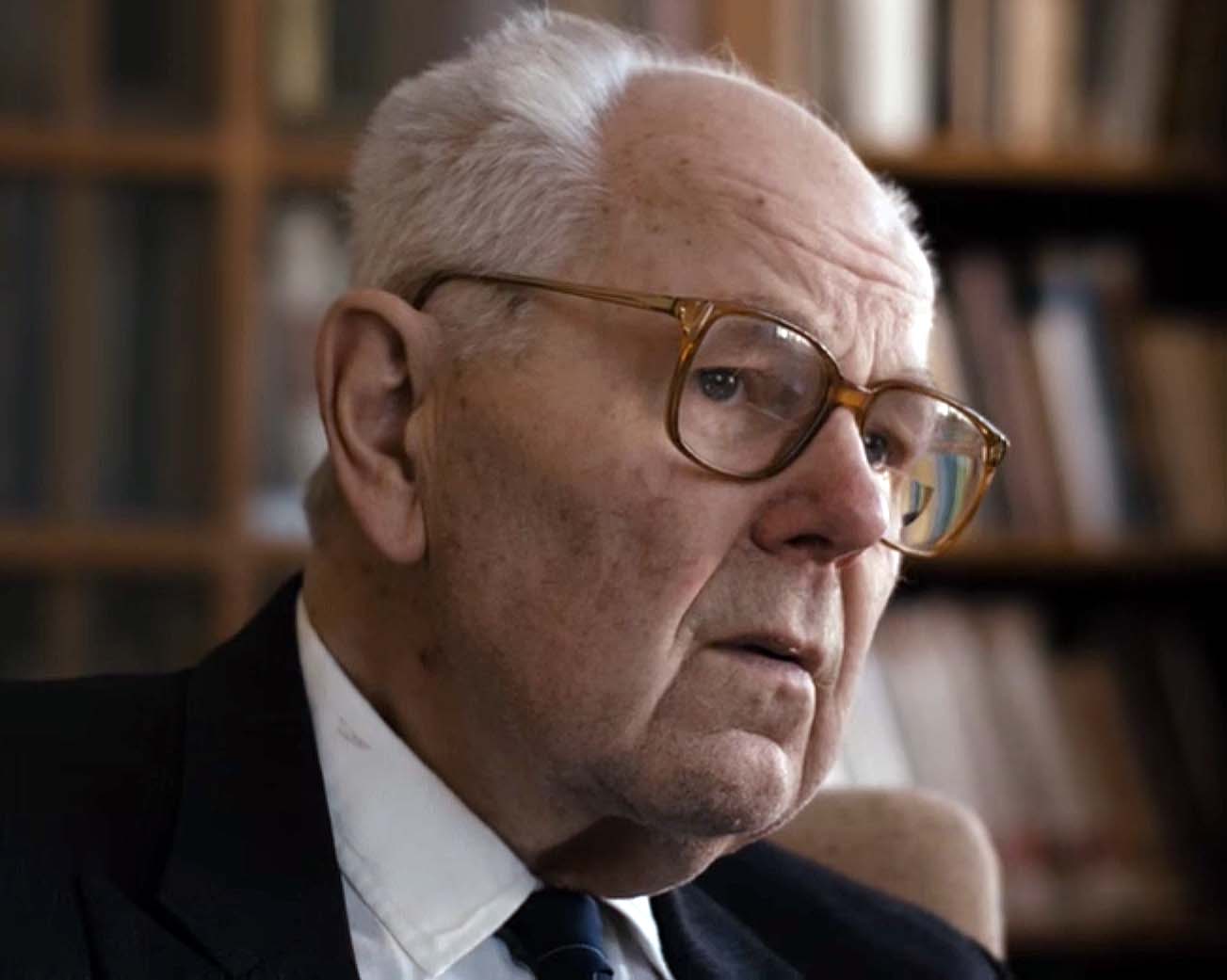 Vytautas Skuodis Collection
Vytautas Skuodis (1929-2016) was a Lithuanian scientist, Soviet dissident and former political prisoner. From 1979, he was a member of the dissident organisation the Lithuanian Helsinki Group. In 1978, he initiated and edited the journal Perspektyvos (Perspectives), the most recognised underground publication among the Lithuanian intelligentsia. The Vytautas Skuodis collection holds various manuscripts of Skuodis’ monograhs, a PhD dissertation, articles, lectures, letters, reviews of diploma works by students, notes, memoirs and diaries. These documents are relevant to the topic of cultural opposition, because they reveal personally the involvement of Skuodis and other people in anti-Soviet activities.
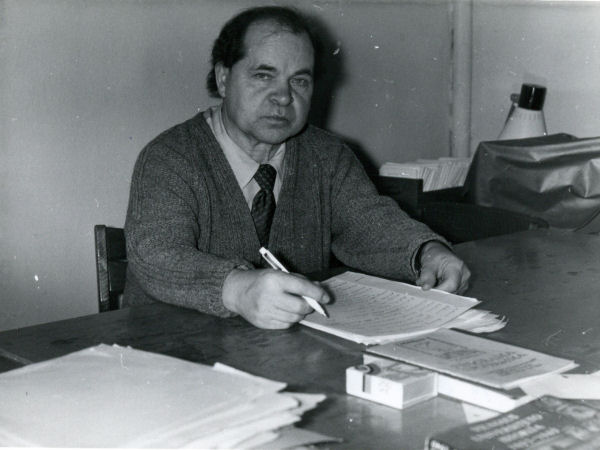 Rimantas Jasas collection
The collection shows the life, work and activities of the Lithuanian historian Rimantas Jasas (1929-2002). Jasas never called himself a dissident. Even after the collapse of the Soviet Union, he did not speak much about his involvement in underground (samizdat) literature, and saw himself only as a professional historian. The files in the collection show his close ties with the dissident movement, especially with the Soviet dissident and political prisoner Vytautas Skuodis (1929-2016). Jasas was involved with the samizdat journal Perspektyvos (Perspectives), the most highly thought-of publication by members of the intelligentsia.
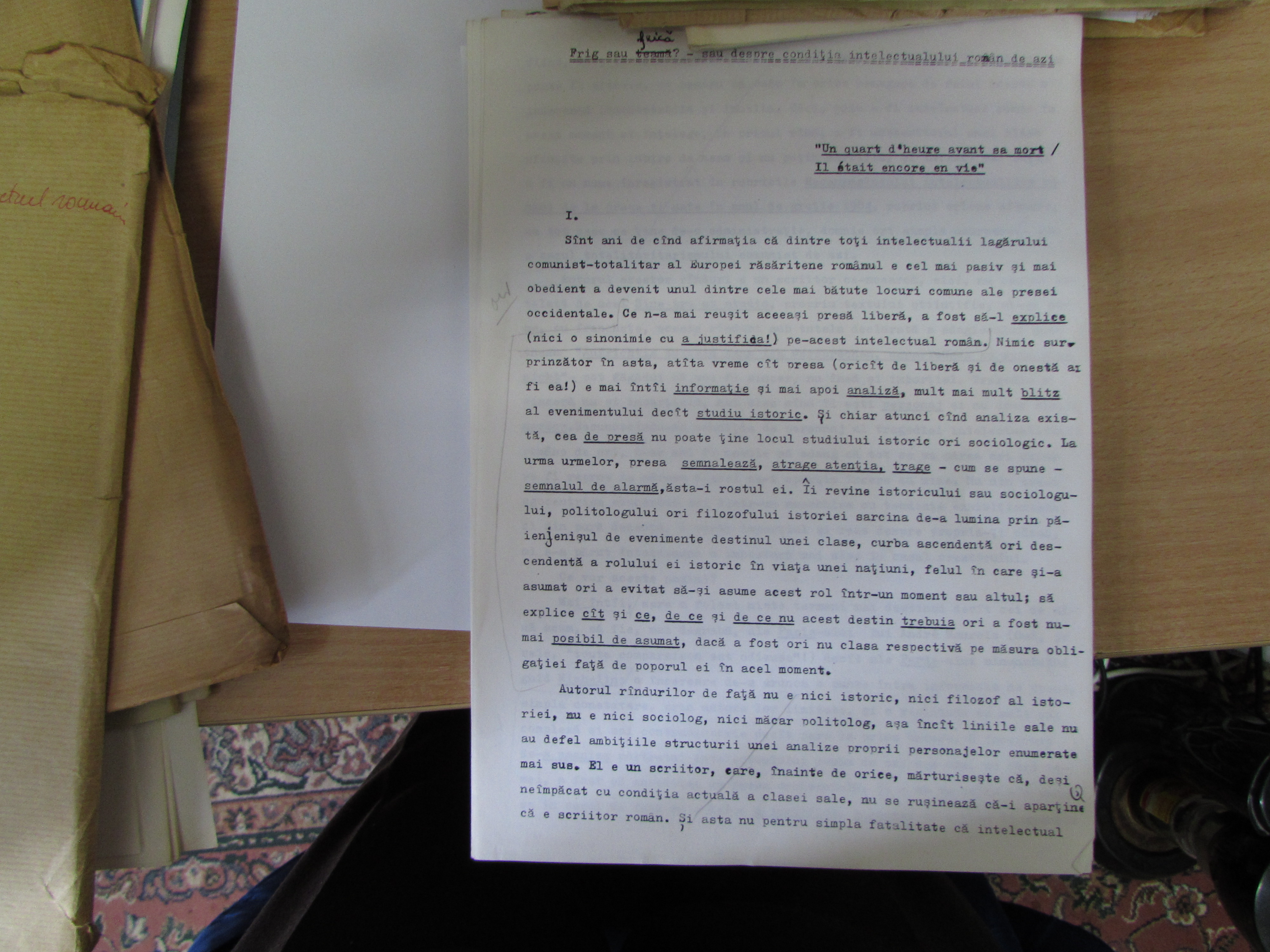 Essay by Dorin Tudoran: Cold or Fear? About the Condition of Today’s Romanian Intellectual (in Romanian). 1984.
By late 1983, Dorin Tudoran espoused increasingly radical ideas regarding the total failure and essentially flawed character of the communist system as a whole, which he saw as irredeemable and deeply corrupt. He had already made his views public in 1983 in a series of interviews with various Western press outlets, expressing his conviction that Ceaușescu’s Romania was an absolute dictatorship and seeing the communist system as the main cause of the Romanian people’s material and moral decay. In his essay written in early 1984, Tudoran proposed a complex analysis of the role and situation of intellectuals in communist Romania. Tudoran focused primarily on the causes of his colleagues’ subservience and total submission to the communist regime. He found the roots of this phenomenon in the persecution and déclassement of this stratum by the communist authorities after 1945, comparing them systematically to their peers in Central Europe. Among the factors which generated compliance, Tudoran highlighted the specificity of local political traditions; the terror of the first decade-and-a-half of communism, which led to a mass “moral capitulation” of the intellectuals; their complete reliance on the state for professional survival; and the skilful manipulation of their upward social mobility by the communist authorities. However, Tudoran argued that the compliance of the absolute majority of intellectuals in Romania was, above all, a direct consequence of Ceauşescu’s personal rule and of the Romanian communist system. The essay concluded that Romanian intellectuals had to reassert their responsibility toward the broader society by emulating and following the lead of their predecessors from the generation of 1848, who had succeeded in breaking with the political traditions of subservience to the state and had emancipated themselves by embracing synchronicity with the West. Rejecting the notion of “resistance through culture” as inefficient and outdated, Tudoran pleaded for an alliance with other social groups on the Polish model. In his opinion, this was the only way to limit the abuses of the communist system, as long as total change was still inconceivable. This work, viewed at the time as the most radical text written by a Romanian dissident since Paul Goma, still represents the best and most convincing analysis of the Romanian intellectuals’ plight under communism produced by an “insider.” Mihnea Berindei received a typewritten copy of the original text, in Romanian, which he then forwarded to the editorial board of the journal L’Alternative, recommending it for publication. It was in fact published in French later that year (in two parts, the first in L’Alternative, no. 29, September–October 1984, pp. 42-50, and the second in the following issue). In a special note to the editors, Mihnea Berindei stated: “the text turned out to be longer than required. If possible, I suggest its publication in two parts. If not, I would very much like to […] keep its structure, including the mottos. In other words, at least something from all the chapters should be kept, since the text has a certain structure and ‘strategy.’ Maybe the complete version would be interesting for another periodical, if it is not interesting for the journal that suggested its writing […]. It’s good that the text exists. It could also be printed under another, more attractive title!” This clearly shows Berindei’s personal role in steering the text toward publication and his position of intermediary between authors writing in Romania and the Western public sphere. Despite the apparent initial hesitations of the editorial board, Tudoran’s text had a rather significant impact on the exile community and also prepared the ground for the emergence of similar critiques in the following years. This masterpiece highlights Mihnea Berindei’s contribution to the “journey” of this fundamental text of Romanian dissent toward its target audience in the West.
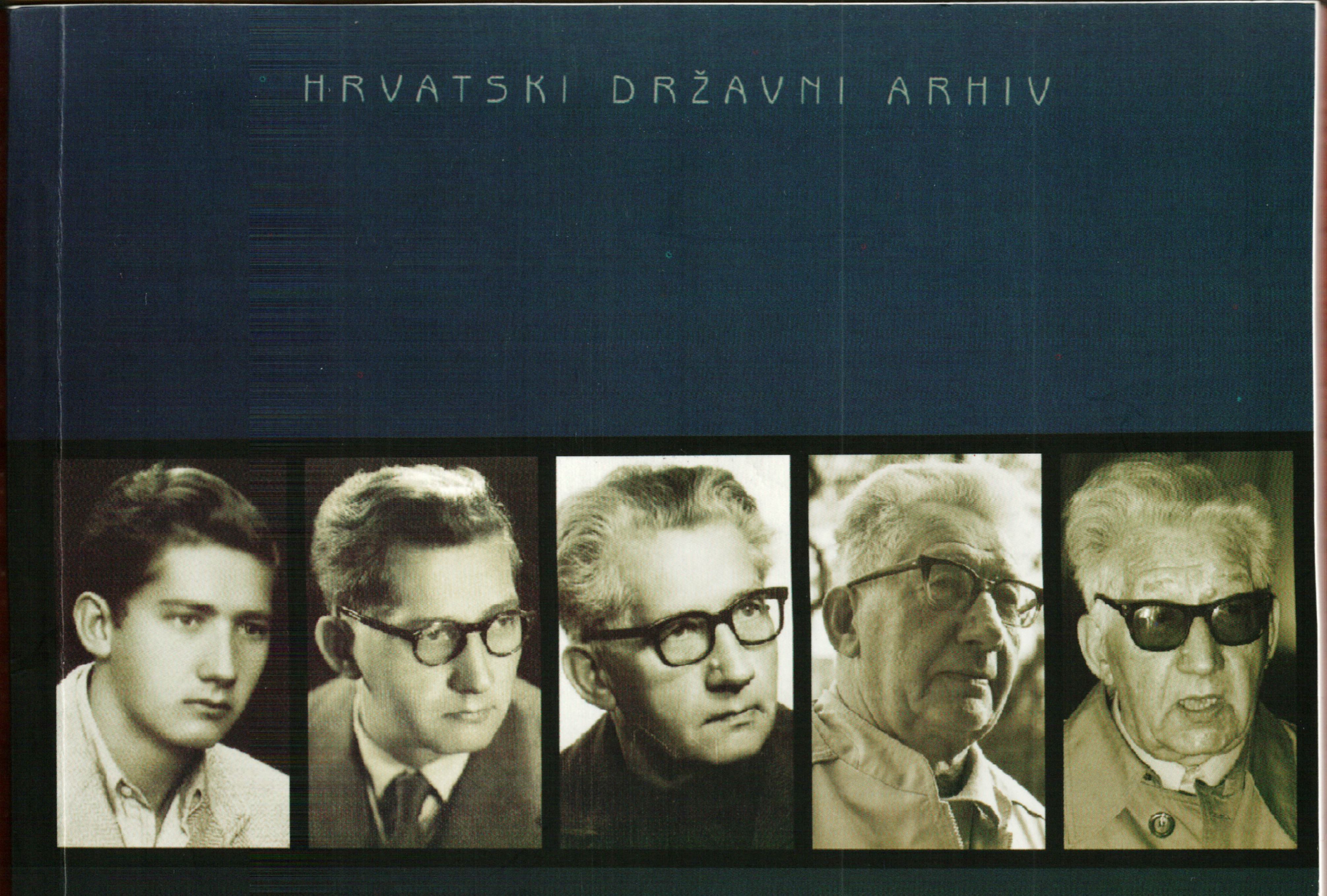 Rudi Supek Collection
The personal collection of Croatian philosopher and sociologist Rudi Supek contains documents and photographs that testify to Supek's intellectual activity, which had been prevented in some phases of his life. Supek was the editor of two critically-oriented Marxist journals, Pogledi and Praxis, and as one of the main protagonists of the Korčula Summer School of Philosophy, he expressed views that did not align with those promoted by the Communist authorities. Supek's disagreement with the practices of the communist regime stemmed from his understanding of the position of intellectuals in society and his stance that there is no socialism without democracy. This collection also illustrates Supek's work as one of the pioneers of the environmental movement in Yugoslavia.
 Memory of Nations
The Memory of Nations is an extensive online collection of the memories of witnesses, which is being developed throughout Europe by individuals, organizations, schools and institutions. It preserves and makes available the collections of memories of witnesses who have agreed that their testimony should serve to explore modern history and be publicly accessible. The collection includes testimonies of communism resistance, holocaust survival, artists of alternative culture and underground and many others.
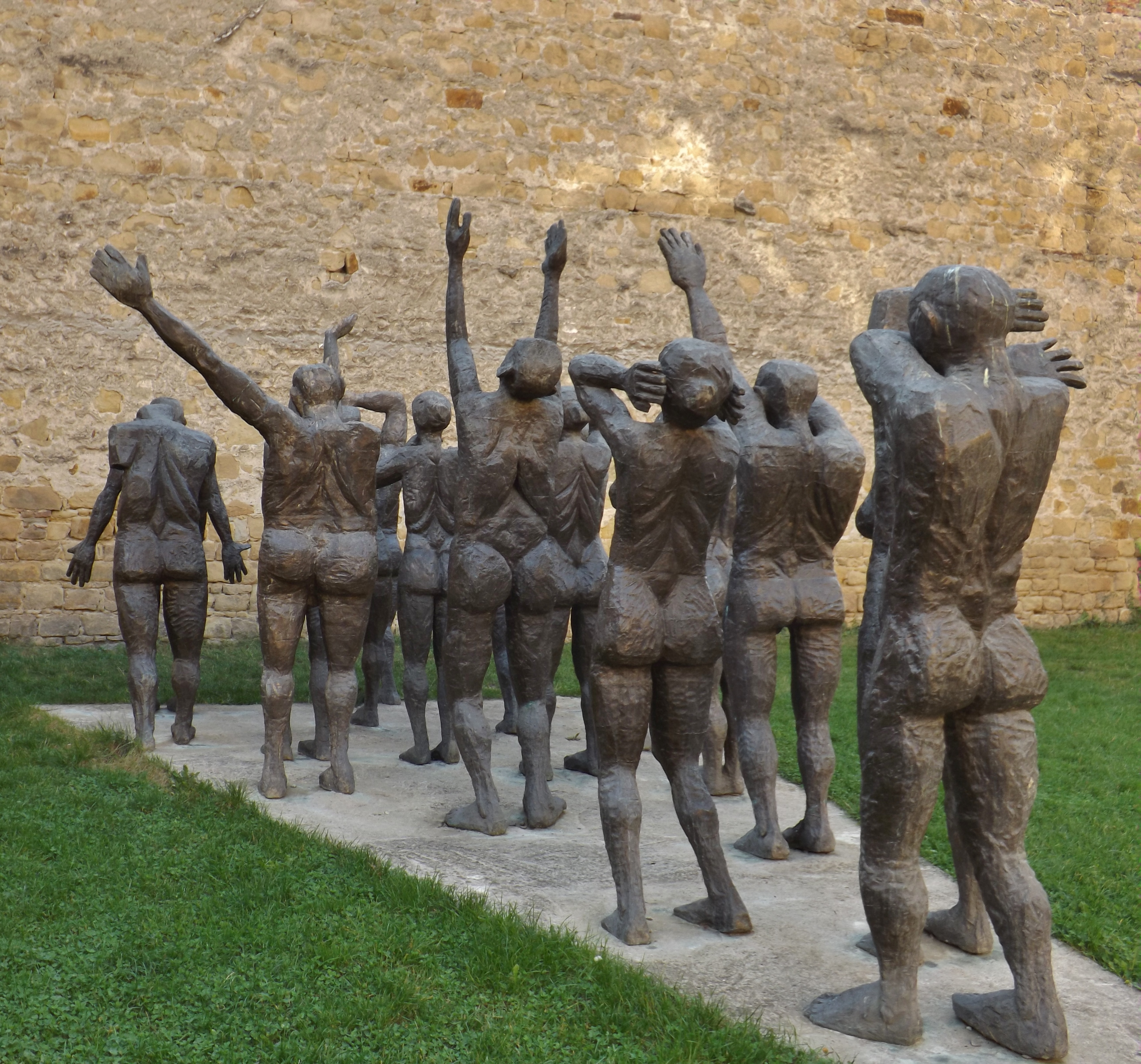 Sighet Memorial - Museum Collection
Part of a civic and ethical project with no equivalent in any of the other former communist countries of Europe, the Museum collection of the Sighet Memorial is an extraordinary site of memory, both individual and collective, of Romanian communism seen from the perspective of the victims of the regime. The Museum collection of the Memorial to the Victims of Communism and to the Resistance includes an impressive number of documents, photographs, letters, newspaper collections, books, manuscripts, albums, and various other objects illustrating both the repressive dimension of the communist regime in Romania and the reaction of Romanian society to that regime, in accordance with the vision promoted by the Civic Academy Foundation through the intermediary of the International Centre for Studies into Communism.
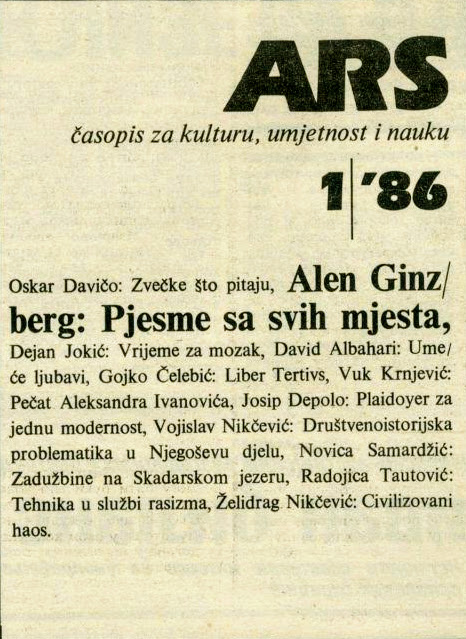
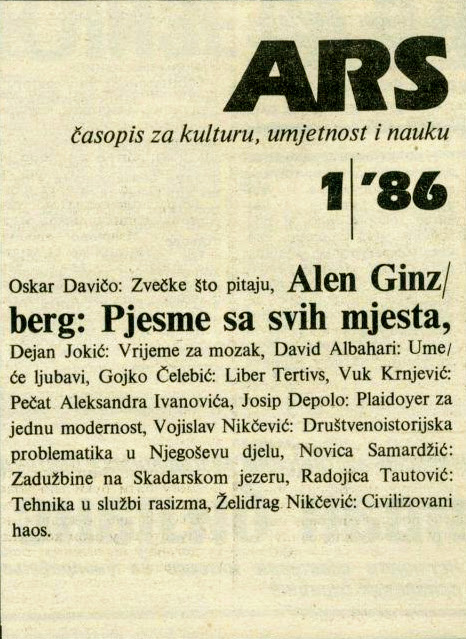 ARS – First Series Collection
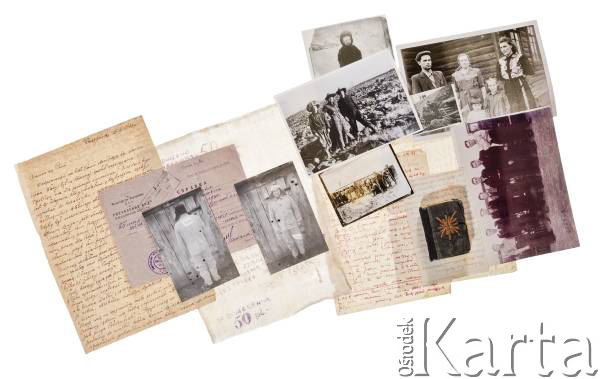 Eastern Archive of the KARTA Centre
The Eastern Archive, initiated in 1987, is a collection of testimonies gathered from former Polish citizens, repressed by the Soviet Union after the 1939, imprisoned, resettled, etc. Their remembrance was excluded from the official view of the past during the communist era. At the end of the Polish Peoples’ Republic it became possible to make it more public.
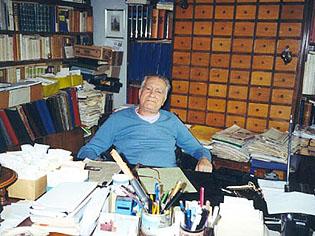 Adrian Marino Collection at BCU Cluj-Napoca
The collection illustrates Adrian Marino’s intellectual evolution as a historian and literary critic who chose to pursue his activity outside the institutions controlled by the communist regime. The Marino Collection includes books, original manuscripts, and the author’s correspondence, which reflects a critical perspective on Romanian literary life in the period 1964–1989.
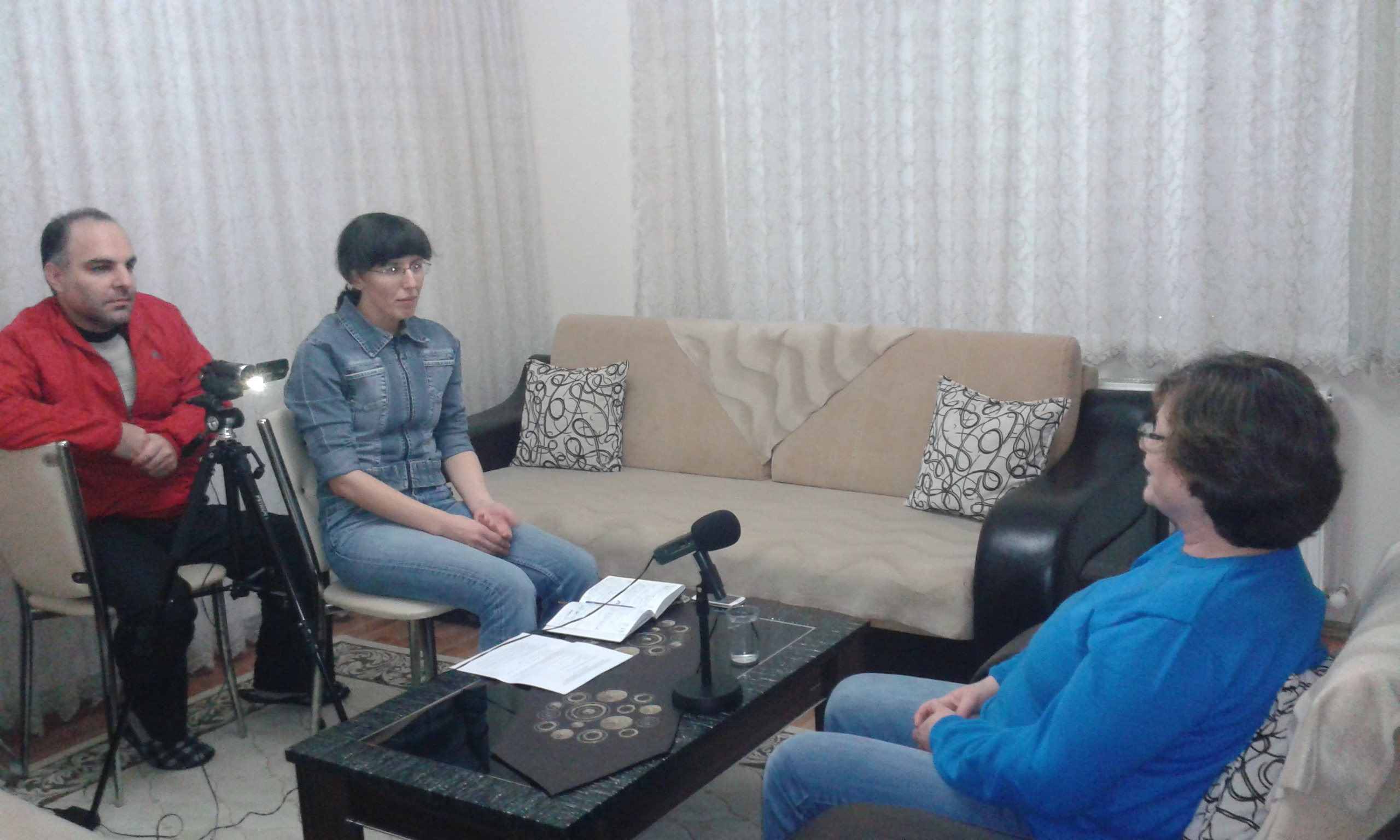 Resistance of Turkish Minority in Bulgaria
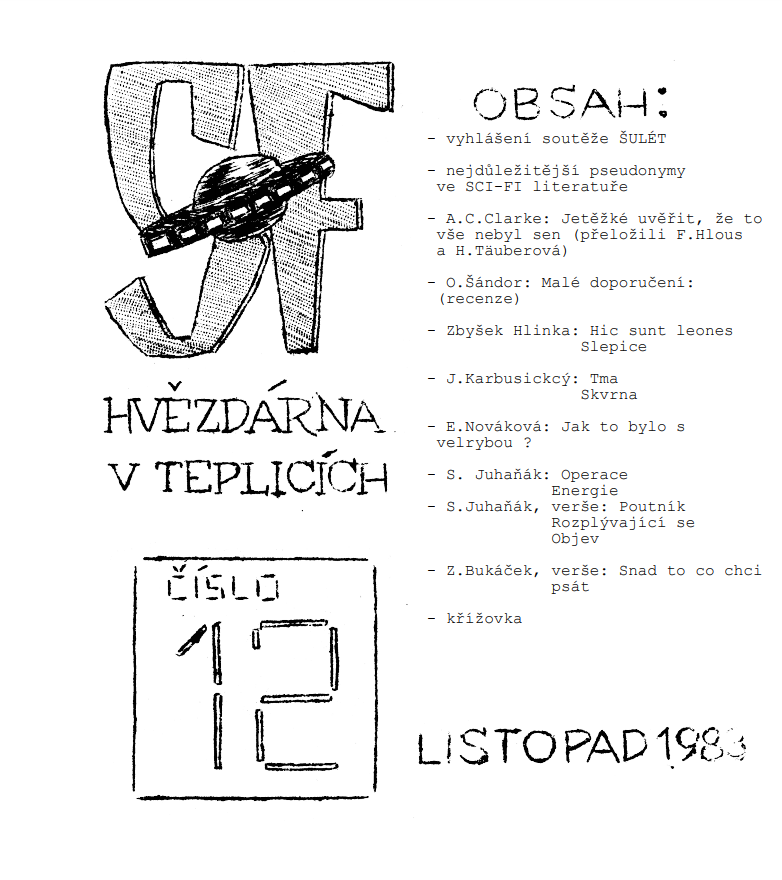 Twelfth issue of "Sci-fi Magazine"
The twelfth issue of the “Sci-fi magazine” was published in Teplice in 1983 and was the last to be published by the sci-fi club in Teplice. In this issue, a religious story was published that caused the founder to prohibit further publishing of the magazine, which in the short term led to the club being closed. It was probably due to the story of Eva Novakova, which she called "How It Was with the Whale" and refers to the Old Testament story of Jonah and the Whale. This event did not slow the activity of others, rather the fanzines grew throughout the country.
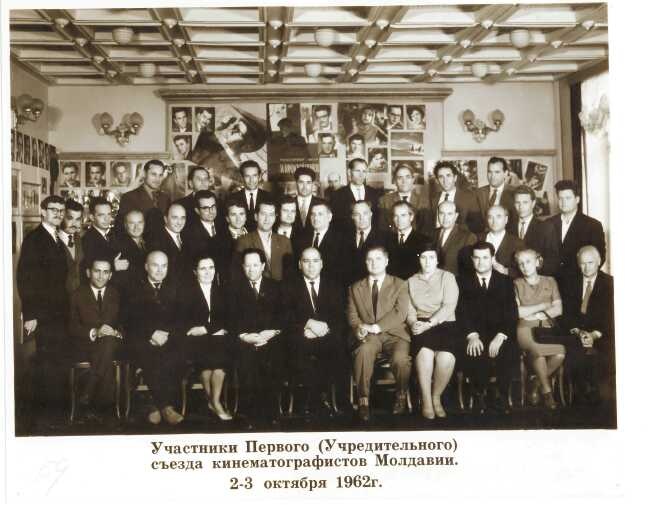
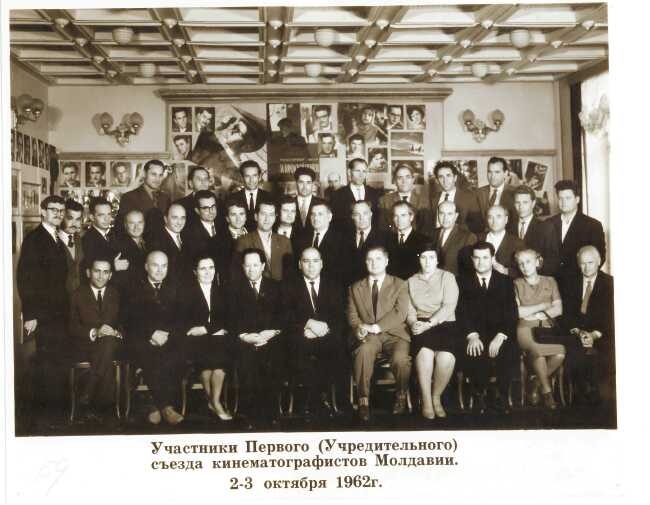 Documents of Moldavian Union of Cinematographers (MUC). Fond P-2773 at AOSPR Moldova
The present collection comprises a series of archival materials relating to the activities of the Moldavian Union of Cinematographers (MUC). It covers the period from the early 1960s to the late 1980s. The materials in this collection were selected from Fonds No. P-2773 (Uniunea Cineaștilor din Moldova), which is currently held in the Archive of Social-Political Organisations (AOSPRM) of the Republic of Moldova in Chișinău. The collection files mainly focus on a number of professional congresses of the MUC and national conferences of cinematographers, with a special emphasis on the 1960s, early 1970s, and late 1980s. These materials are revealing for the uneasy relationship of the local film industry with the Soviet authorities, highlighting the internal dynamics and competition within the organisation, but also the ideological pressure exercised by the regime.
Solidarity Collection at the British Library
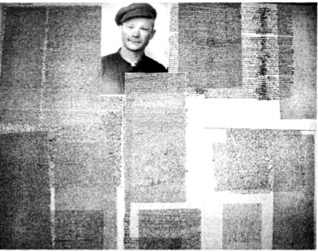
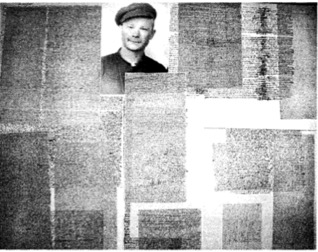 Samizdat diary of Iuri Shukhevych written on cigarette paper, which he passed from labour camp
The story of acquisition of Iuri Shukhevych’s handwritten diary by Smoloskyp is unknown. This piece of Ukrainian samizdat was among numerous illegal documents smuggled by Smoloskyp couriers from Ukraine. In his diary, Shukhevych gives an account of Stalinist labour camps and ruminates on the destiny of the Ukrainian liberation movement. Smoloskyp and personally Osyp Zinkevych, who was a member of OUN’s leading body, PUN) participated in the campaigns in defence of Iuri Shukhevych, son of OUN-UPA military leader, Shukhevych, who spent over thirty years in Soviet labour camps. This diary along with many other primary source documents (for instance, the full collection of the documents of the Ukrainian Helsinki group) was used by Smoloskyp in their numerous publications on Shukhevych and other repressed Ukrainian nationalists.
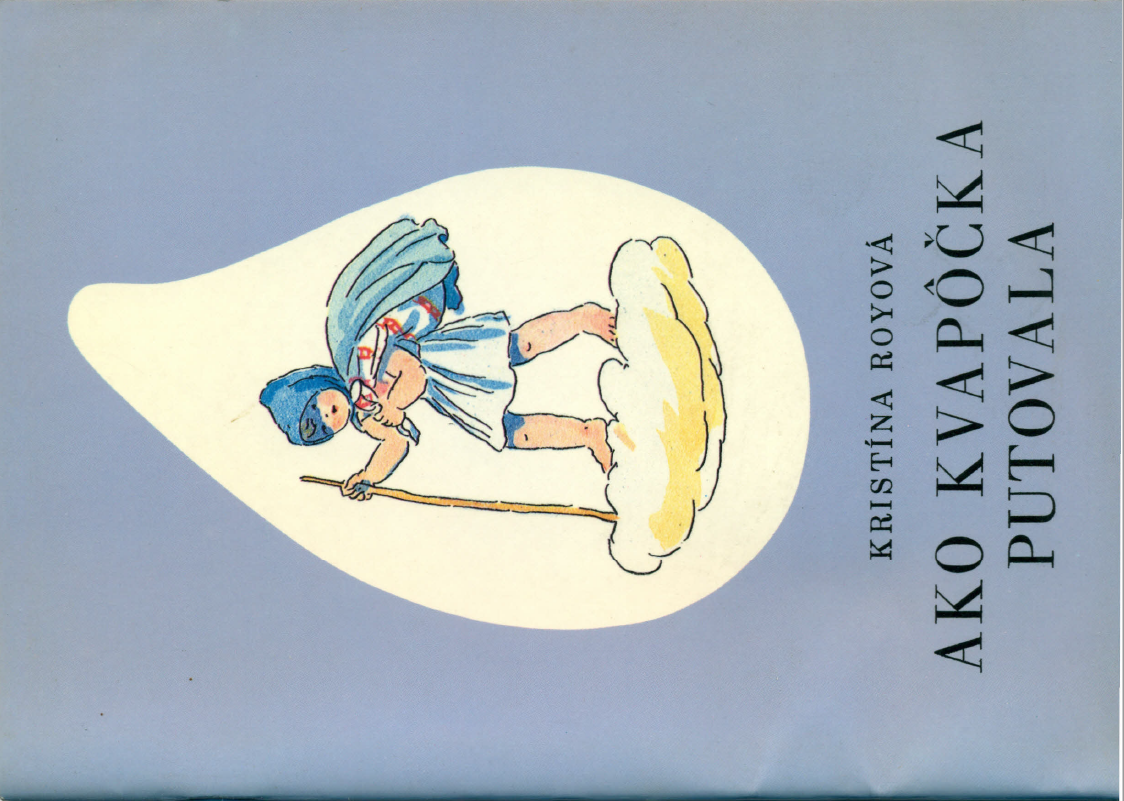 Ako kvapôčka putovala
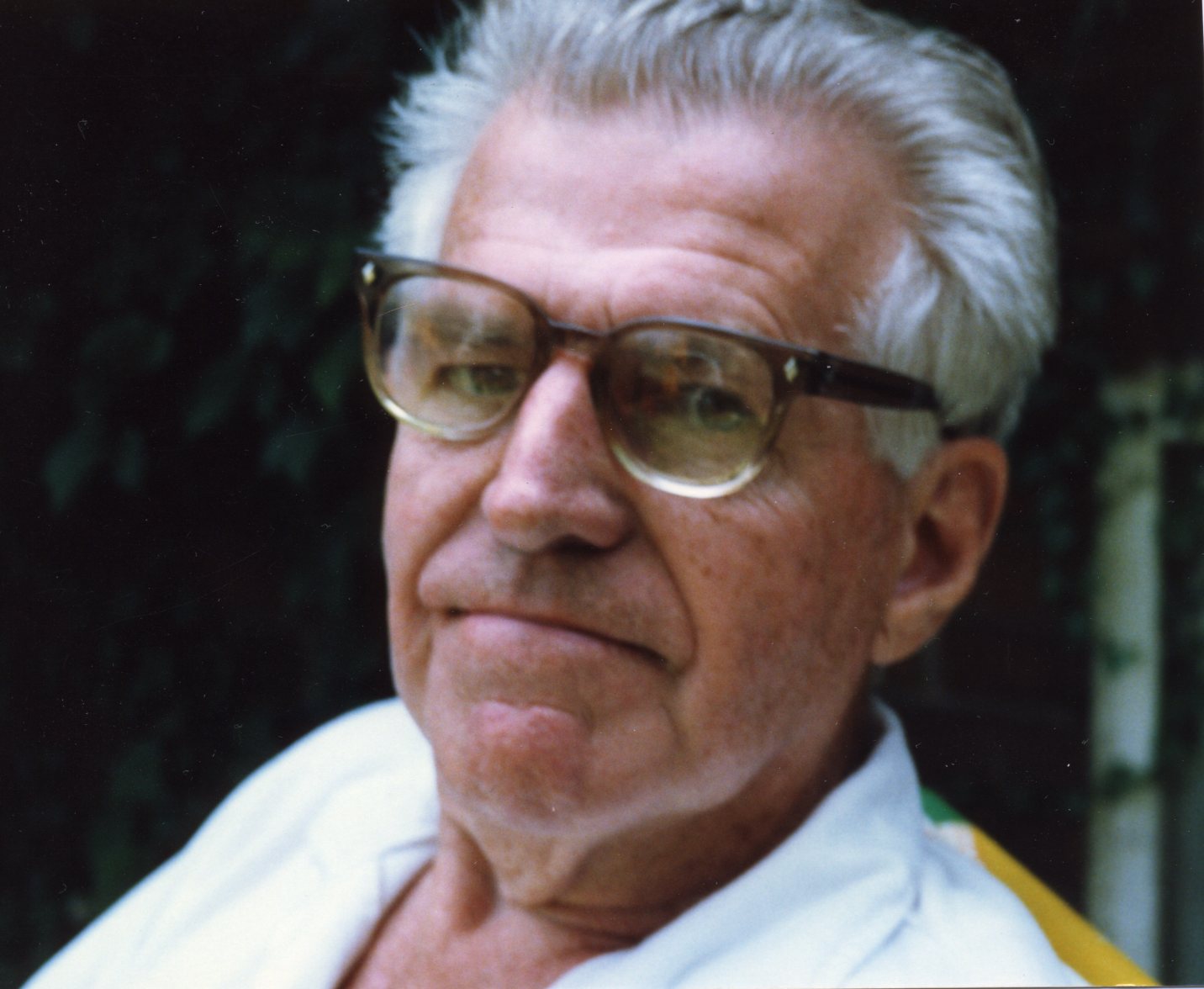 Skilling H. Gordon Collection of the Czechoslovak Documentation Centre
Skilling H. Gordon (1912-2001) was a prominent Canadian historian, political scientist and Slavist. His life and work were closely linked to the dramatic fate of Czechoslovakia from the late 1930s to the 1989 Velvet Revolution.
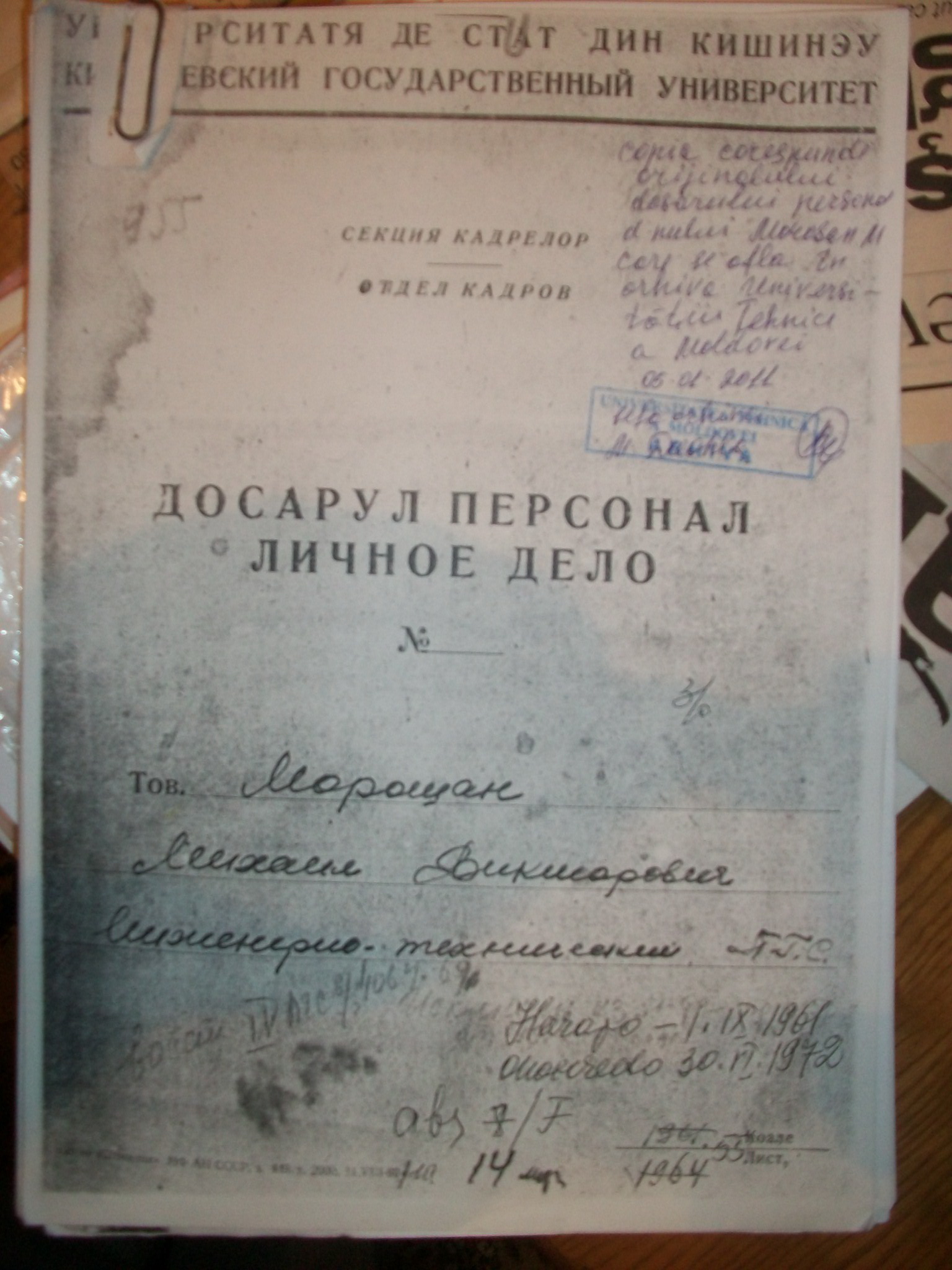 Mihai Moroșanu Private Collection
The Mihai Moroșanu Private Collection comprises various materials relating to the anti-regime activity of Mihai Moroșanu, one of the most famous Moldovan dissidents of the Soviet period, well-known for his staunch criticism of the regime and for his strong nationally oriented views. The collection consists of a number of personal files, interviews, photos and judicial materials relating to Moroșanu’s case, spanning the period from the early 1960s to the early 1990s. Due to his uncompromising resistance to the Soviet regime, Moroșanu is one of the very few authentic dissident figures in the Moldovan context.
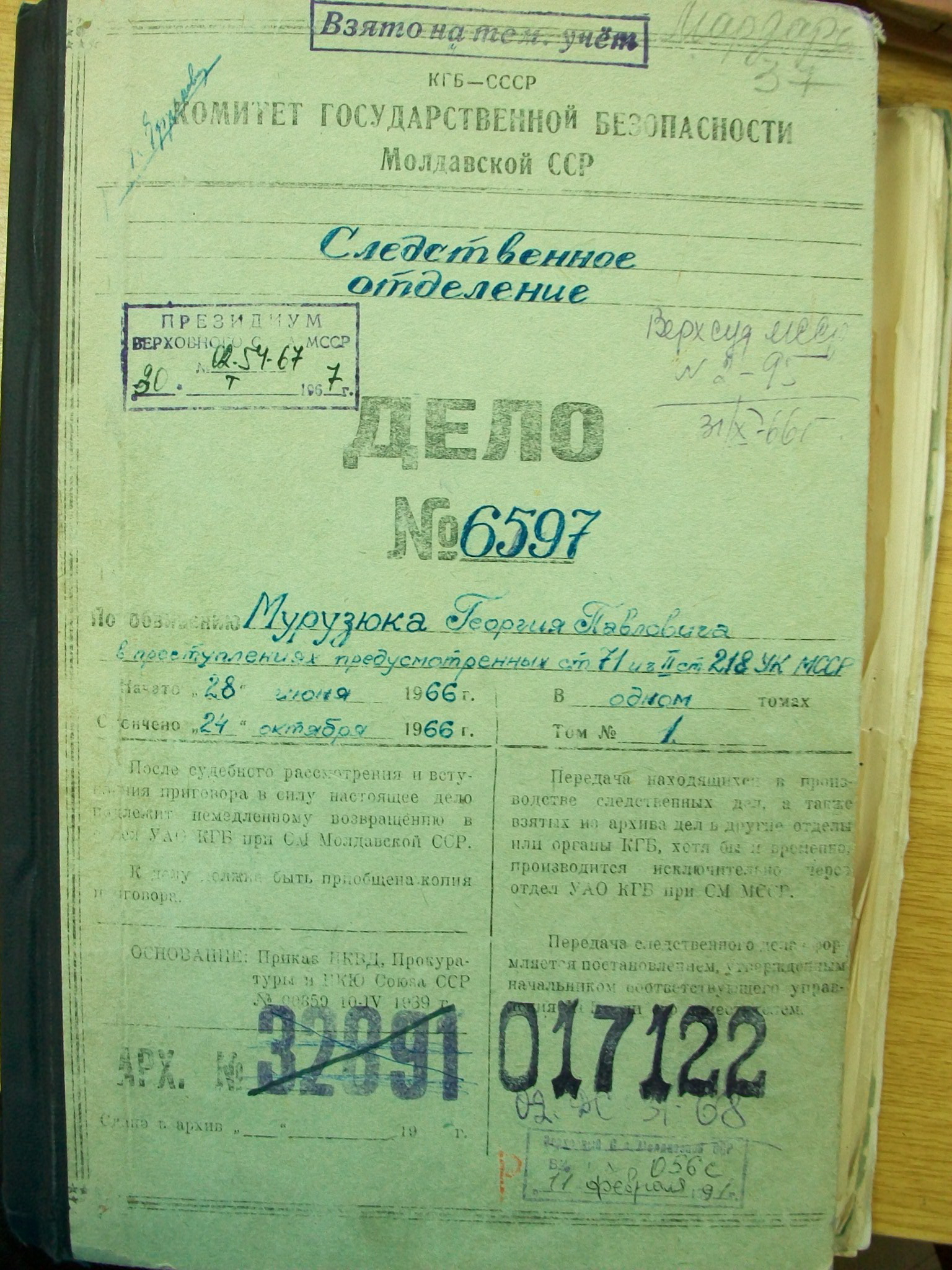 Gheorghe Muruziuc Collection at SIS Archive Moldova
This collection focuses on the case of Gheorghe Muruziuc, a person of working-class background who expressed his opposition to the Soviet regime by raising the Romanian flag on the factory where he worked, in June 1966. This was the first instance when the Romanian flag was displayed in the Moldavian Soviet Socialist Republic (MSSR) after June 1940.
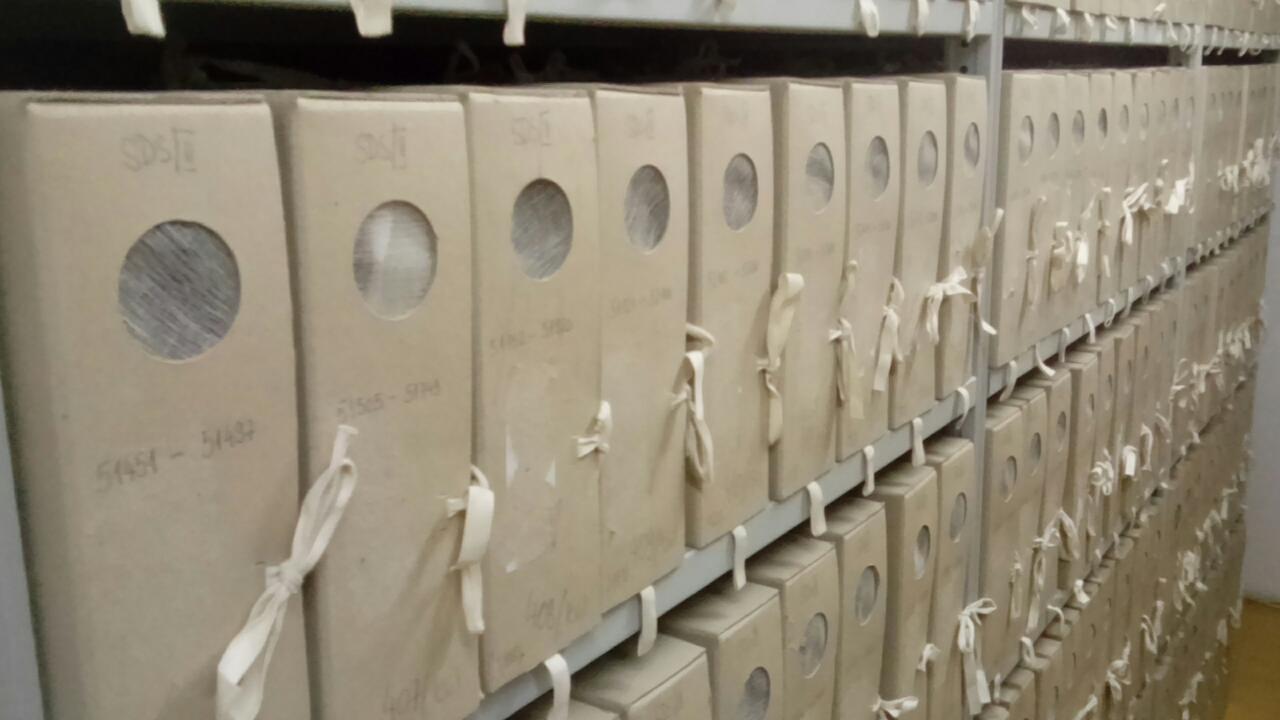
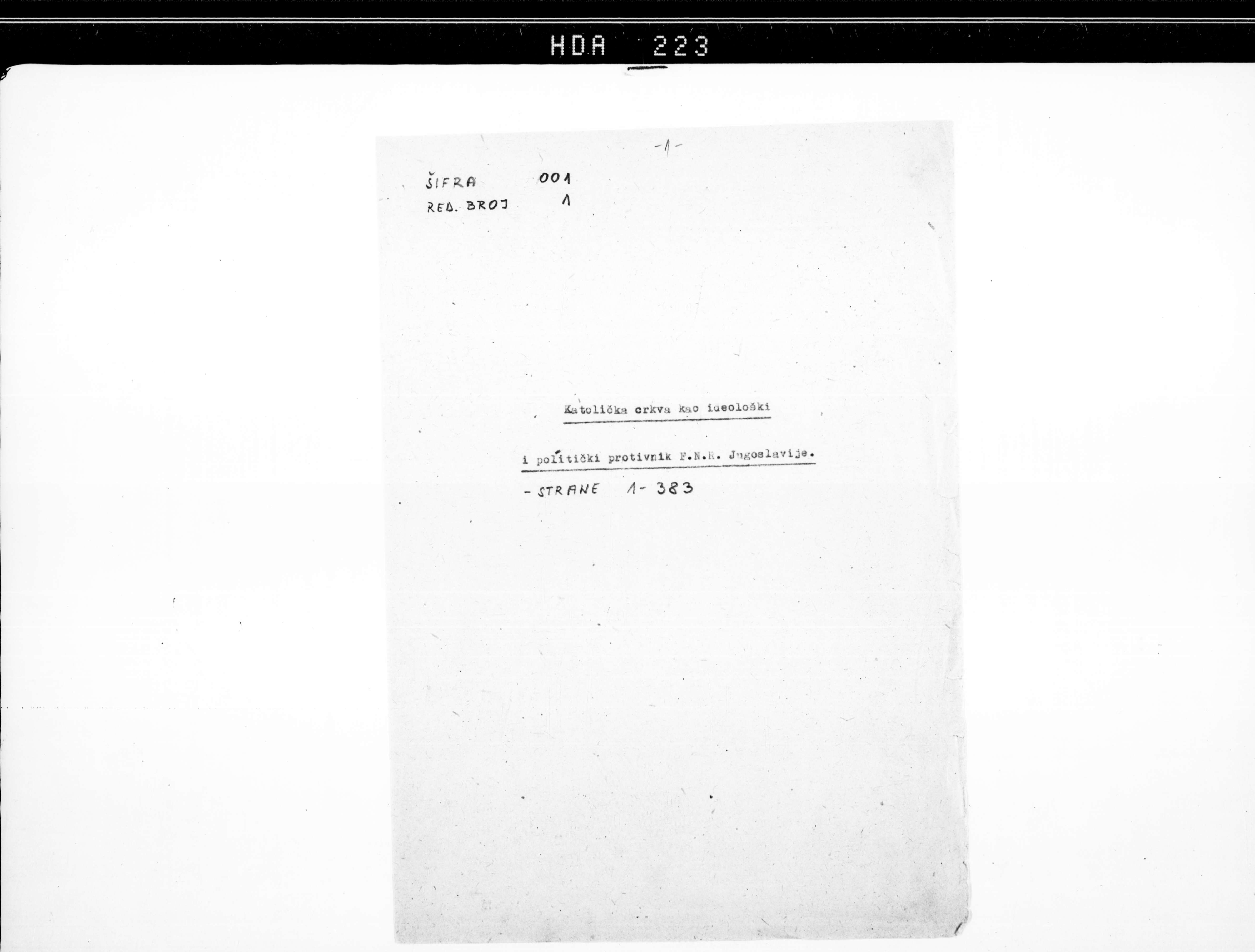
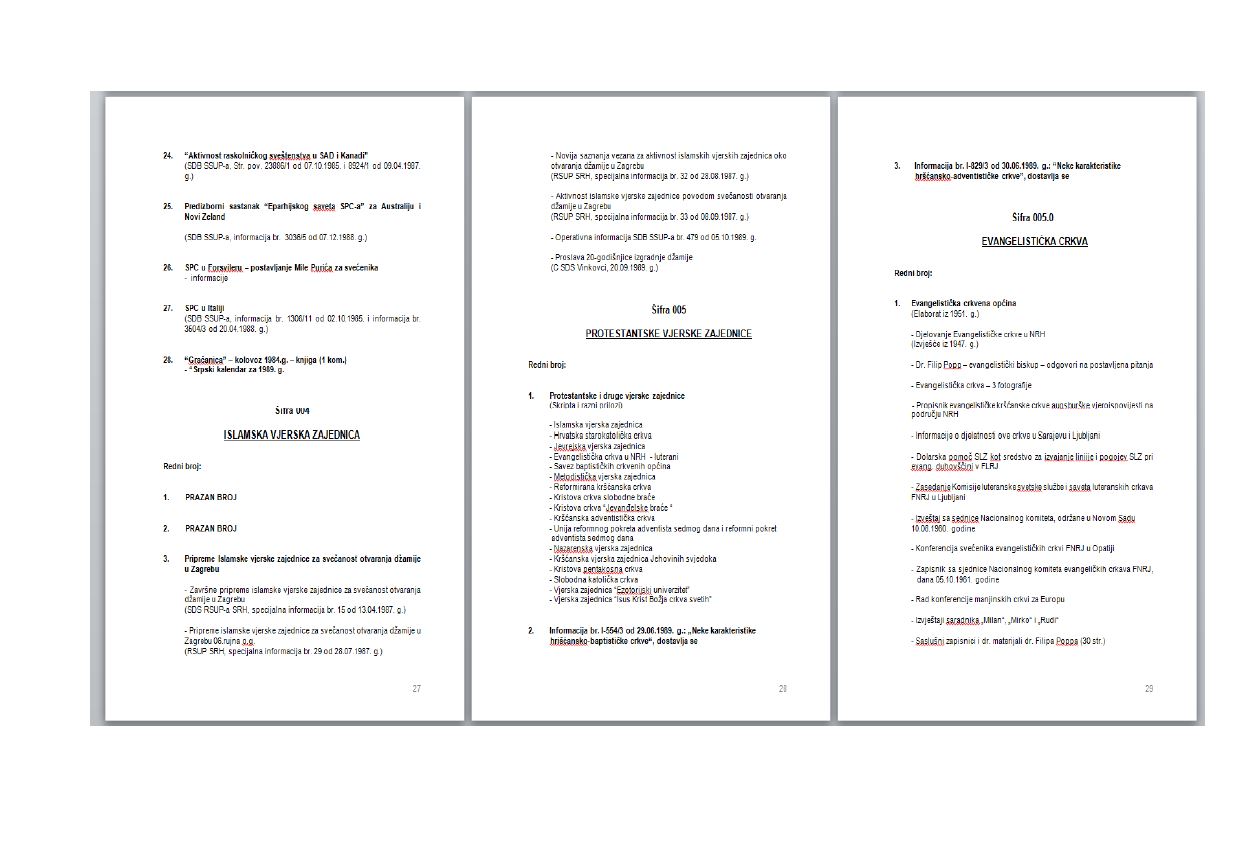
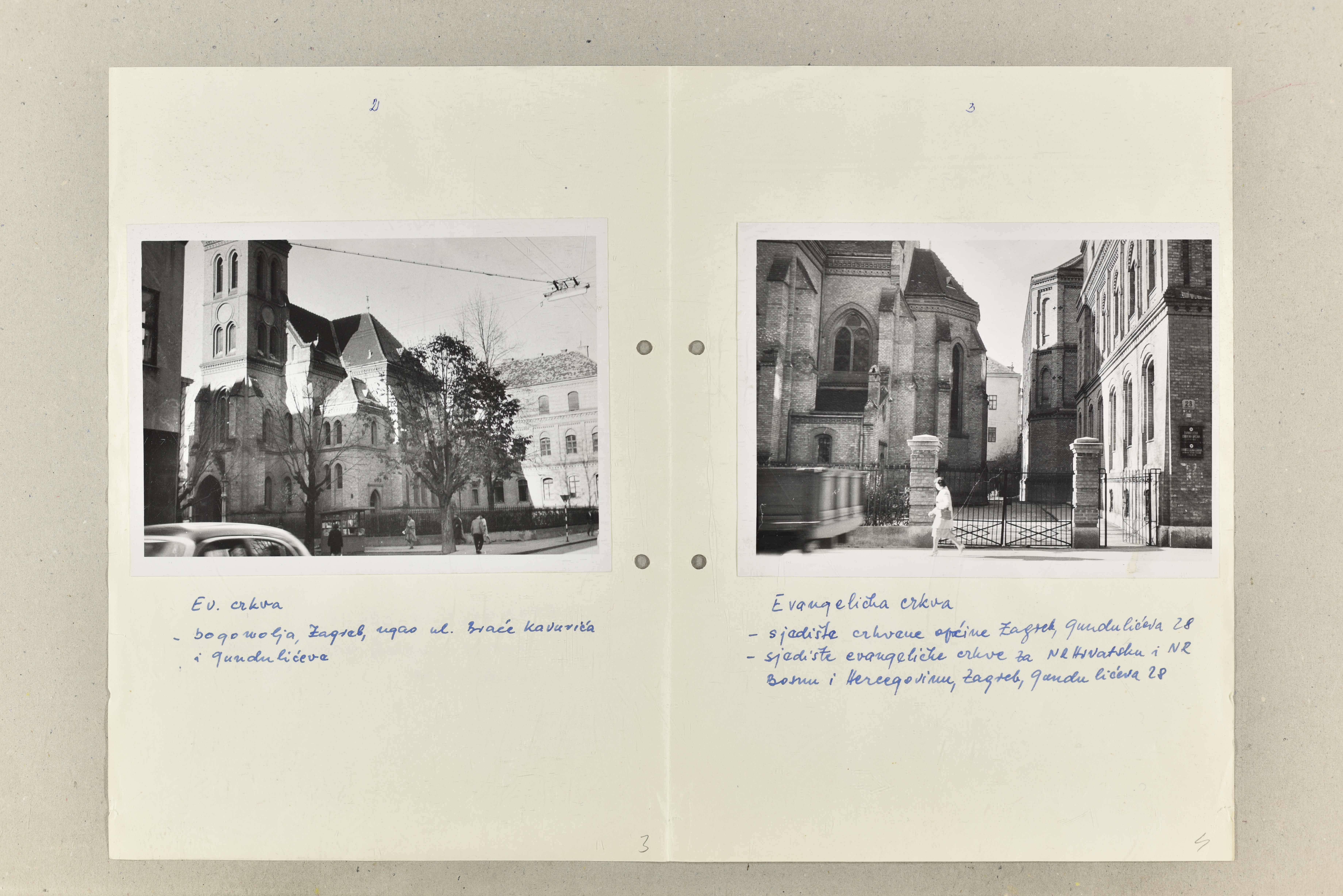 Croatian State Security Service Collection on Religious Communities
The collection belongs to the group of the most relevant archival resources for researching the communist regime’s relationship with and repression against religious communities in Croatia, and their organisations, priests and other religious officials. It contains documents collected or produced by the State Security Service of the Republic Internal Affairs Secretariat of the Socialist Republic of Croatia, the civilian security and intelligence service in Croatia in the period from 1946 to 1990. Different cultural opposition activities of certain religious communities and their members can be studied on the basis of its documents. Criticism (concealed and public) of communist rule and its social and political system, i.e. the official doctrine of atheism, is especially visible.
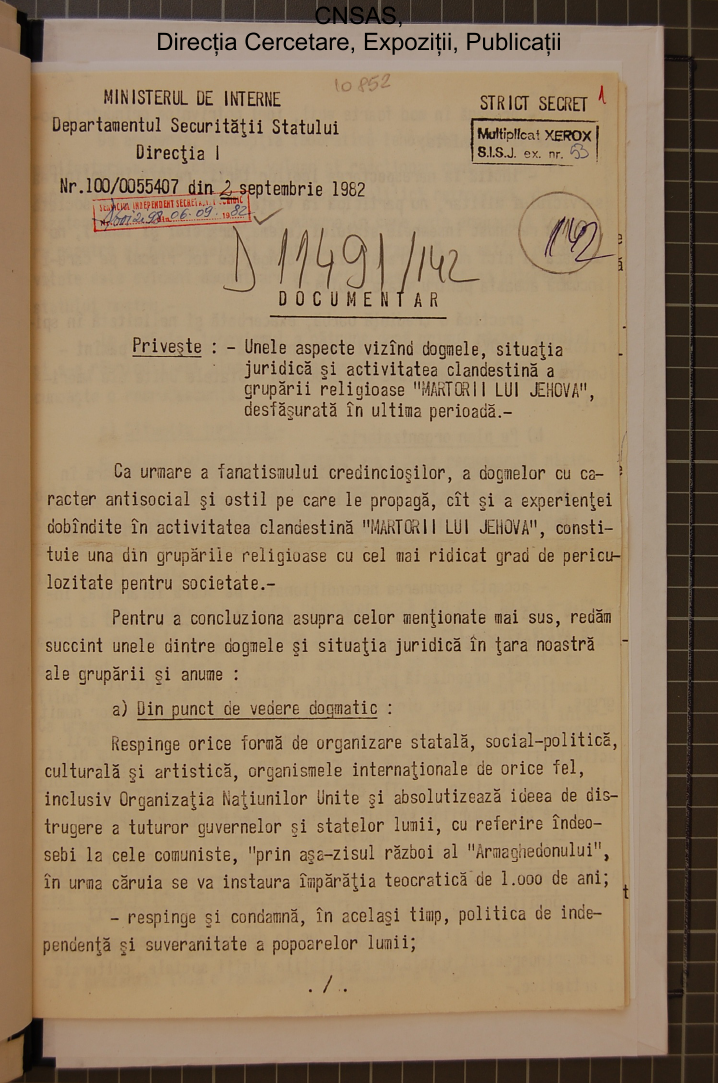 The legal situation and the clandestine activities of the Jehovah’s Witnesses religious group, in Romanian, 1982. Report
The report on “the legal situation and the clandestine activities of the religious group entitled Jehovah’s Witnesses” was drafted by the First Directorate of the Securitate (in charge of gathering information within the country). This report synthesised the evolution of the religious community of the Jehovah’s Witnesses in Romania, their legal status during the past and at the time of its issuance, and the policies of the Securitate regarding this religious denomination.
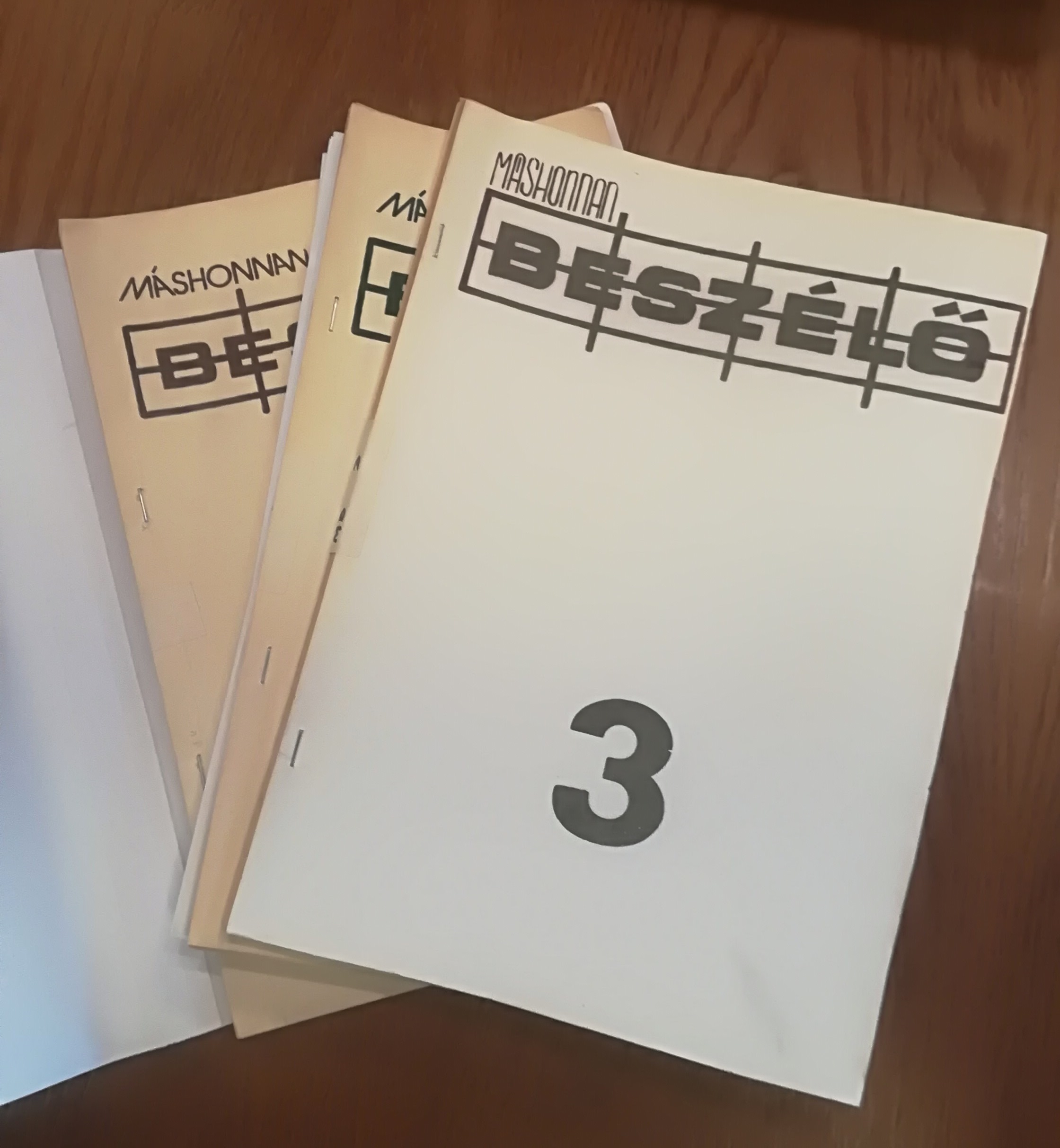
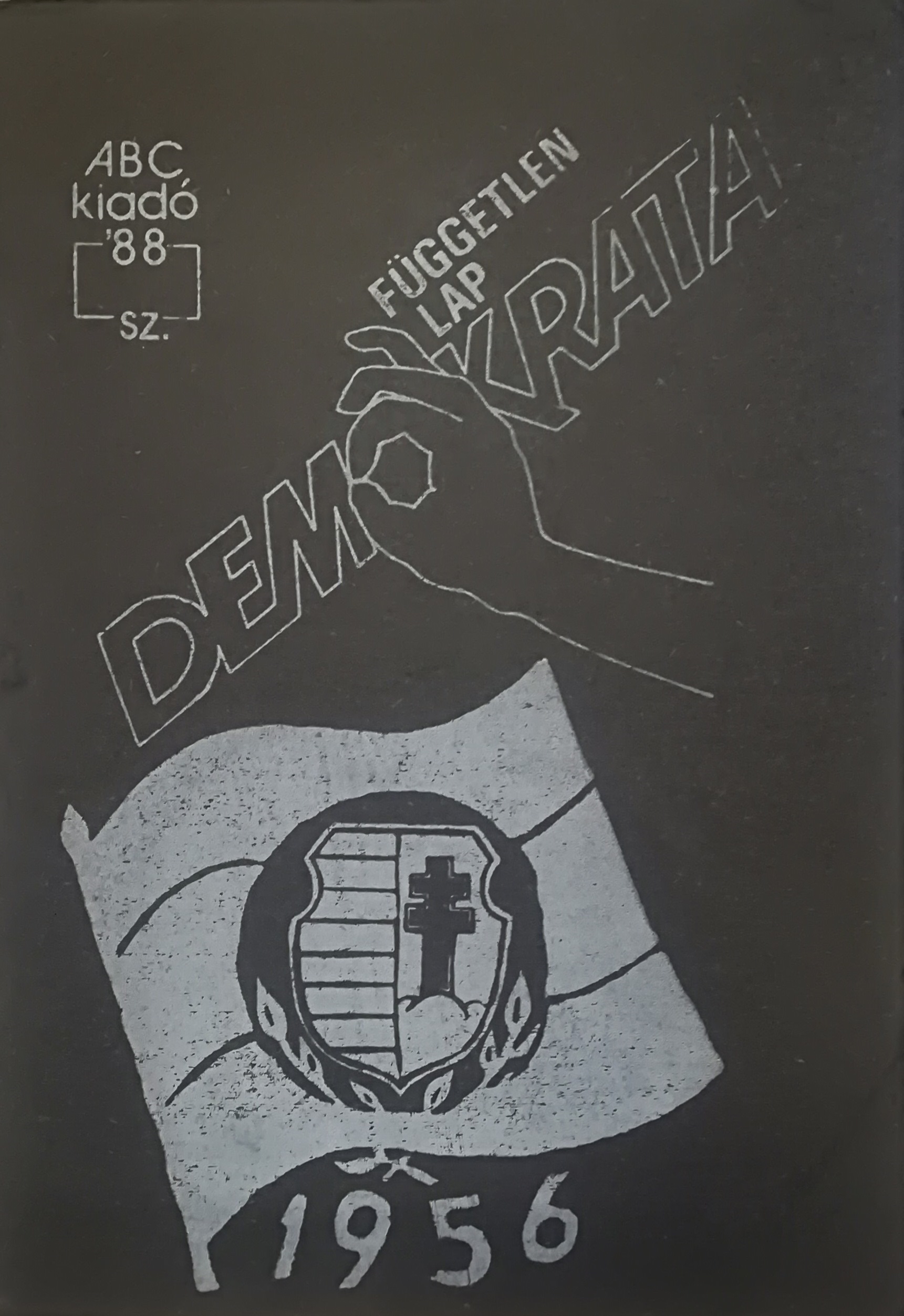 Samizdat from Hungary in the Vera & Donald Blinken Open Society Archives
The samizdat holdings in the Vera & Donald Blinken Open Society Archives is a unique collection of illegal publications of the Hungarian oppositional intellectual circles. Though censorship was milder in Hungary than it was in the other countries of the Eastern Bloc, it would not have been possible for these volumes to have been published in socialist Hungary without independent publishers in the secondary public sphere, or “islands of the free press.”
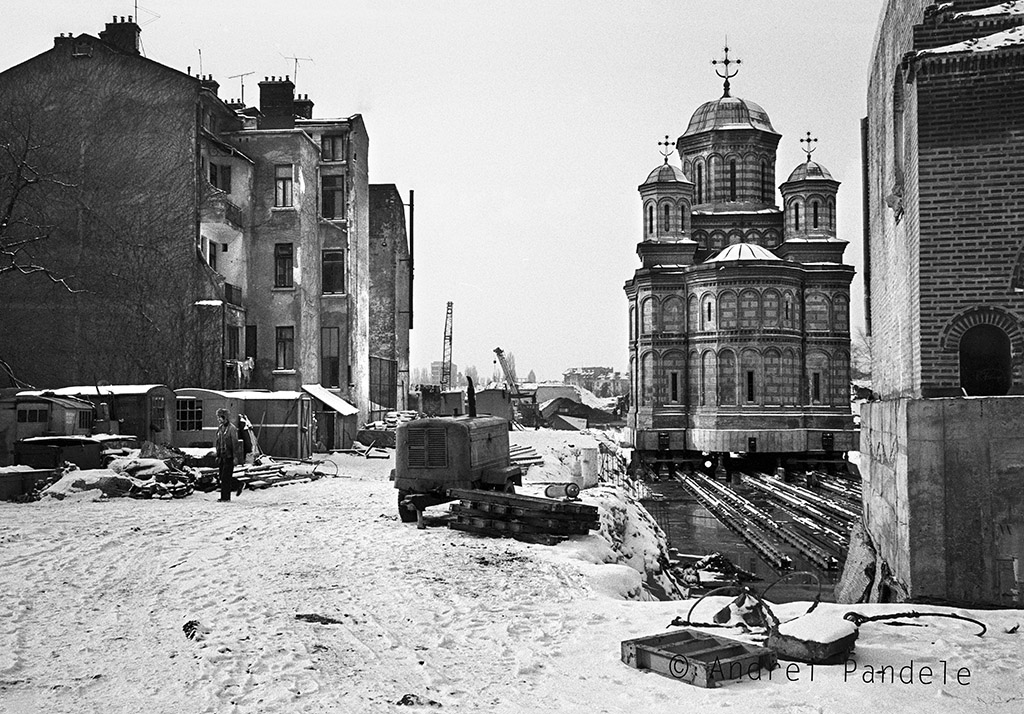 Pandele Andrei, Translation of Mihai Vodă Church, 1986. Photograph
The results of the so-called “rearrangement” operations in the centre of Bucharest was as follows: 5.86 km2 of the historic centre of the city were demolished; 1.66 km2 remained waste ground overgrown with weeds; approximately 20,000 properties were destroyed; over 60,000 families were forced to move; 19 streets were blocked or ceased to exist. The following Orthodox churches were demolished: Enei, Albă Postăvari, Old Spirea, Well of Healing, St. Nicholas Sârbi, Gherghiceni, St. Nicholas Jitniță, Lady Oltea, St. Vineri Hereasca, Olteni, Old St. Spiridon Vechi, Holy Trinity Dudești, and Bradului (Bradu Staicu). The following monasteries were wholly or partially demolished: Cotroceni, Nuns’ Hermitage, Mihai Vodă, Văcărești, Antim, and St. Pantelimon. The following synagogues were demolished: Aizic Ilie, Rezith Doadh, and Malbim. Other historic buildings were also demolished: the Brâncoveanu Hospital, the great covered market in Unification Square, the Mina Minovici Institute of Forensic Medicine, the Yellow Inn, the Republic Stadium, and the Military Museum. Eight churches were translated from their original sites and hidden among apartment blocks: St. John Moși, Schitul Maicilor, Olari, St. Ilie Rahova, Mihai Vodă, St. John Piață, New St. George Capra, Stork’s Nest; so was the synodal building of the Antim Monastery. “The great merit for the translation, and thus saving from demolition, of these monuments is due to the engineer Eugen Iordăchescu of the Project Bucharest Institute,” says Andrei Pandele. This operation of saving cultural heritage that had been destined for destruction indeed called for professionalism on the part of those who conceived it, but also the courage to propose a compromise solution that would have a chance of being accepted by Nicolae Ceaușescu, who was personally supervising the construction of the House of the People.
The image captured by Andrei Pandele illustrates the translation of the church of the Mihai Vodă Monastery, an emblem of pre-modern Bucharest, originally situated on the hill where the Palace of the Parliament – built during the Ceauşescu regime under the name of the House of the People – now stands. The monastery buildings, which surrounded the church and were completely demolished to make way for the House of the People, were the first location of the State Archives after the founding of the modern Romanian state in the nineteenth century. The monastery was founded in 1594 by Michael the Brave, an extremely important figure in the national past, as he is considered the first to have unified, for a short time in 1600–1601, the territories that now make up Romania. In spite of the fact that during the Ceauşescu regime Michael the Brave became even more important in national history than he had been before, the monastery fell prey to the so-called “urban systematisation” programme promoted by the regime. The monastery church was saved from demolition by the operation of translating it, which in this case was one of the most laborious actions of this kind as it required it not only to be slid along a distance of 289 metres, but also lowered by 6.2 metres. Andrei Pandele’s photograph shows the Mihai Vodă church still on the rails used for the translation, already at the foot of the hill, close to its present position, although it is now hidden behind apartment blocks taller than it, which were built after this image was immortalised.
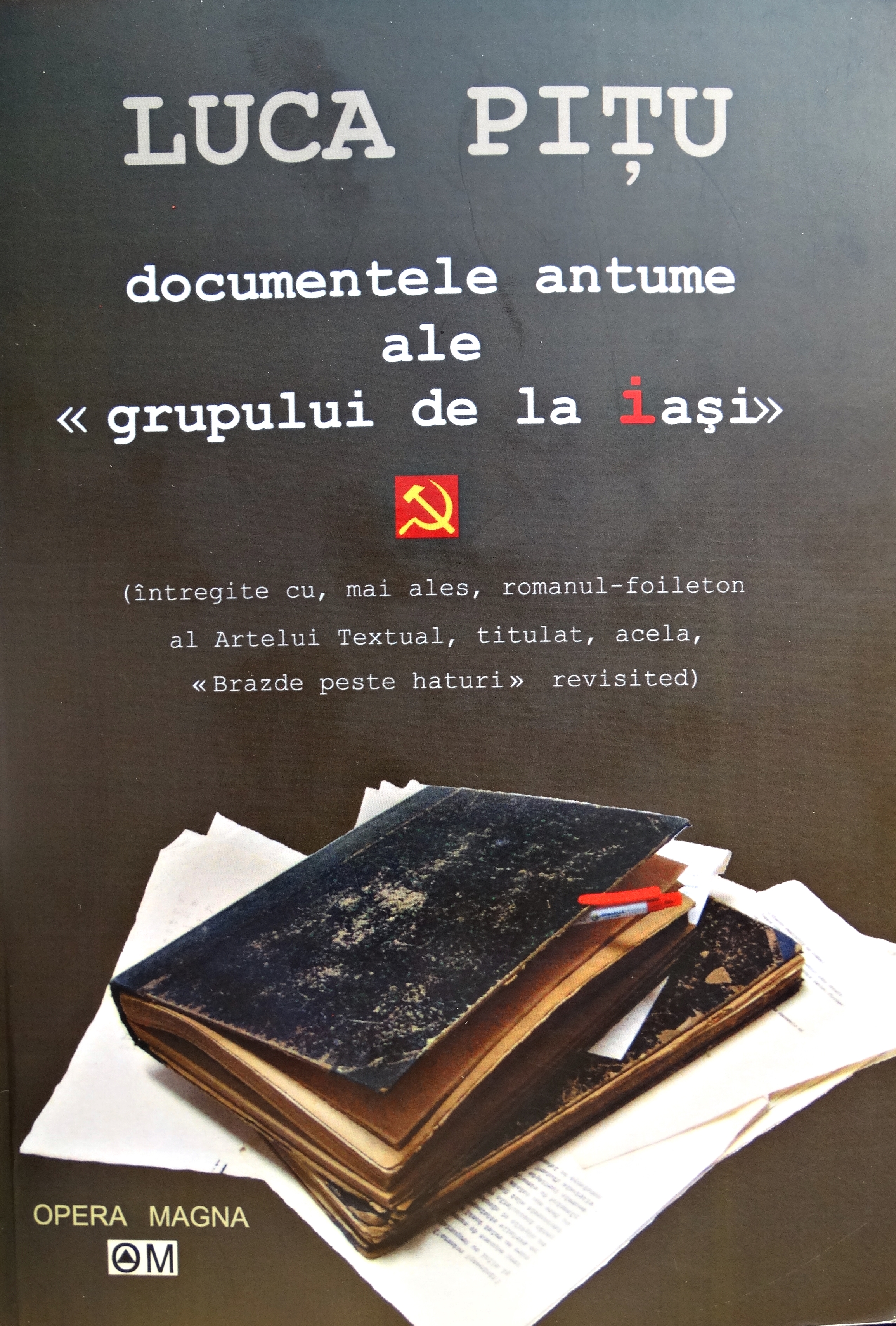 Petrescu, Dan et al. "Furrows Across the Baulks" Revisited, in Romanian, 1983. Manuscript
During the search of 18 May 1983, among the objects confiscated from the collection of Dan Petrescu and Thérèse Culianu-Petrescu were forty-five typed leaves of a manuscript representing an unusual literary project: the collective novel “Furrows Across the Baulks” revisited. The manuscript had four authors. In addition to Dan Petrescu, these were Luca Piţu, George Pruteanu, and Sorin Antohi. “Furrows Across the Baulks” revisited was a rewriting, in a satirical register, of a quite well-known proletkultist novel by the Hungarian writer István Horváth, translated into Romanian in 1953. The original title Furrows Across the Baulks had inspired the rereading of the collectivisation process in an ironic key by the four young intellectuals. The manuscript existed in a single copy, which passed from hand to hand with each of the four adding a chapter, so at the time of the search all material trace of the existence of this collective literary enterprise was lost. Regarding its confiscation, Dan Petrescu recalls: “At the same time they asked me about the novel [‘Furrows Across the Baulks’ revisited]. I said to them: ‘Why are you still looking for it? Because you’ve already got it.’ They had taken it from George Pruteanu. […] It didn’t exist in more than one manuscript. There were no copies. It passed from one to the next and each one added to it. They were also looking for letters in the search.” The Securitate had found out about the existence of this satirical novel at the end of 1982, when at the Young Writer colloquium in Buzău, Sorin Antohi read pages from the collective manuscript, imitating Ceaușescu’s voice when excerpts from Gheorghiu-Dej’s speeches were cited. According to the Securitate’s evaluation, in this novel “the policy of the Party regarding co-operativisation is ridiculed, […] with suggestive allusions to the higher leadership of the Party and of the state.” The public reading of the manuscript at this colloquium effectively meant its dissemination at national level, and what might just about have been tolerated at local level became dangerous when it came to have an influence on others.
By the time of its confiscation, the novel had an introduction by Dan Petrescu and nine chapters, each by one of the four authors, as follows: ”Şi caii se împuşcă, nu–i aşa?” (They shoot horses, don’t they) (Sorin Antohi); ”Un chirov, două chiroave” (One Chirov [tractor], two Chirov[s] [tractors]) (Dan Petrescu); ”Din neagra țigănie, mânca–ți–aş!” (From black gypsydom, damn it!) (George Pruteanu); ”Visul tovarăşului inginer agronom” (The dream of Comrade Engineer Agronomist) (Luca Pițu); ”Azi e zi de sărbătoare” (Today is a festival day) (Sorin Antohi); ”Iar steluța cea de sus, ce-o mai fi având de spus?”(Little star up in the sky, what more do you have to say?) (Dan Petrescu); ”Vicii la Sfat” (Vices at the Council) (George Pruteanu); ”Dictotaurul” (The dictataurus) (Luca Pițu); ”Ascensiunea lui Iordache Leahu poate fi oprită” (The rise of Iordache Leahu can be stopped) (Luca Pițu). The action takes place in the village of Chipeşeni, in the commune of Dimparis, a transparent allusion to the Paris Commune (in Romanian, “Comuna din Paris,” barely masked by the replacement of “n” by “m” before “p” as required by the rules of Romanian orthography). Twenty-three of the forty-five pages confiscated during the search have been discovered in the CNSAS Archives. They represent, as Sorin Antohi has put it, an “embryo of samizdat,” whose cultural references are carefully camouflaged through the use of sophisticated language. Understood only by a very limited public, this manner of encrypting messages was characteristic of the period, and was one of the most commonly used strategies to fool the censors, but it had the great disadvantage of making for “difficult reading even at the time.” Now the novel is “a text whose cultural references are effectively foreign to young people.” According to Dan Petrescu, however, a Securitate officer reckoned during the interrogations of 1983 that the publication of such novel at that time would have twisted young people’s minds. The fragments discovered in the CNSAS Archives were published in the volume Artelul Textual - «Brazde peste haturi» revisited: Pagini salvate dintr-un samizdat colectiv (The textual [c]artel – “Furrows across the baulks” revisited: Saved pages from a collective samizdat) (Iași: Editura Opera Magna, 2011).
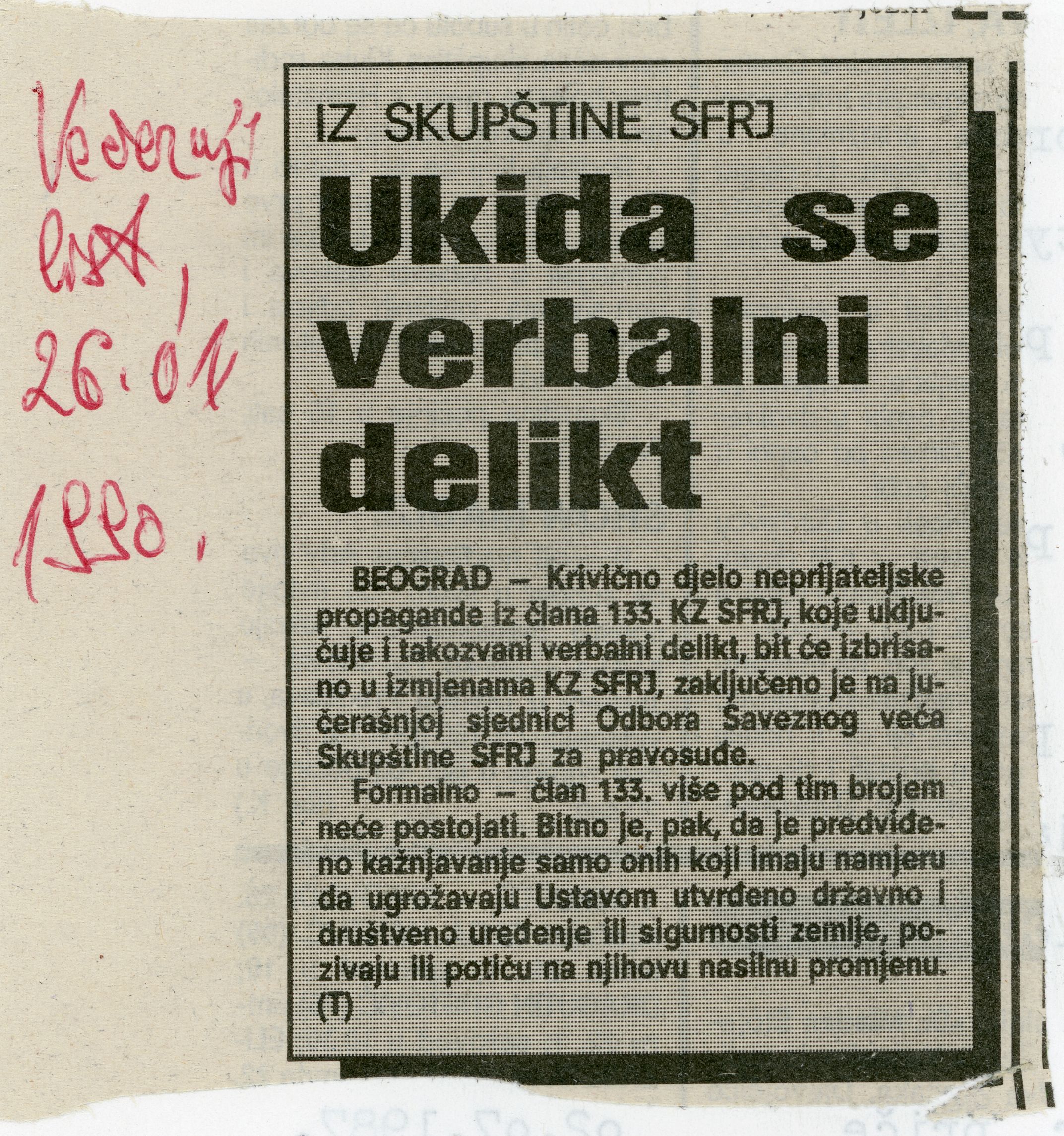 The verbal delict is being abolished, Večernji list, 26 January 1990. Press clipping
Freedom of conscience officially existed in Yugoslavia, but not freedom of expression. The ‘verbal delict’ was punishable as a crime of "hostile propaganda" as stipulated in Article 133 of the Criminal Code of the SFRY. It was abolished only at the beginning of 1990, which was reported as news in this press clipping. Singing nationalist songs, socialising with émigrés or the approbation of "hostile statements" were once grounds for a jail sentence. During the 1970s and 1980s, approximately 500 lawsuits were filed against ‘verbal delinquents’ every year. In Croatia, the most famous among them were Franjo Tuđman, Marko Veselica, Ivan Zvonimir Čičak, Dobroslav Paraga and Vladimir Šeks.
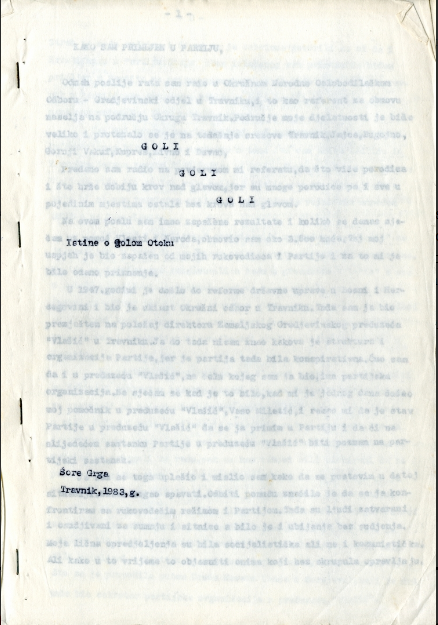 Šore, Grgo. Goli Goli Goli – The Truth about Goli otok, 1983. Manuscript
“Goli Goli Goli – The Truth about Goli otok” is a typewritten text about the days of captivity on Goli otok, but it is partially different from the original, and begins with a short biography of the author before his arrest, including specific events that preceded the arrest. Šore spoke about his arrest in Travnik in June 1949 and his transfer to the prison in Sarajevo. On September 1949, about 400 detainees were transported by train from Sarajevo to Herceg Novi, and then by truck to the former Austro-Hungarian fortress on Cape Oštro at the entrance to Boka Kotorska Bay. There, Šore's group joined detainees from Montenegro, and then all boarded a ship that took them to Goli otok. This was the first group of "Cominformists" who came to Goli otok. Before them, there was a smaller group of people on the island who welcomed them with clubs, curses and verbal abuse. Šore spent three years in this environment, in which he experienced the most brutal methods of political “re-education.” Immediately upon their arrival at the prison camp, all inmates had to publicly present facts about their "hostile work" against the communist regime and plead guilty. Also, all inmates had to go to the State Security Administration office to report all the “enemies” among inmates or among those who were still outside the prison camp. Political meetings were held regularly in the prison camp, where the criminal conduct of a particular inmate was discussed based on evidence obtained by mutual spying. Furthermore, ‘cultural-educational’ work was carried out every night, which consisted of reading Party literature, making posters, writing pamphlets, and even short comedy shows. In all forms of cultural and educational work, Josip Broz Tito and his policy in conflict with the Cominform Resolution was praised by the detainees (Interview with Peić Čaldarović, Dubravka).
The prison camp's administration punished inmates with brutal methods that consisted of heavy physical labour, inciting violence among inmates, psychological abuse, and deprivation of food and water. According to Šore's memories, the main penal measures in the camp were: boycotts (severing of any communication with an inmate, overtime labour and reduction of food and water rations), carrying "Anita" (exhaustion by carrying a heavy load), tracer (exhaustion caused by carrying heavy loads with another inmate), the swan (exhaustion by carrying a heavy load together with six other detainees) and the chamber-pot ‘honour’ (guarding the wooden lavatory in the barracks many times per day or for many days). The physical exhaustion of inmates was done to psychologically transform them, or erase their personalities, to create persons loyal to the Party led by Tito. Inmates who underwent been internal punishment or refused to submit to political "re-education" ended up in Building 101. Its purpose was to break disobedient detainees with more difficult conditions of daily labour and more extreme torture methods (Interview with Peić Čaldarović, Dubravka).
Šore described each of these situations and methods of political "re-education" precisely from his own experience or based on the example of one of his fellow inmates. He illustrated some of the most difficult aspects of everyday life with his own drawings under the heading: Tracer/Carrying Heavy Rocks, Water and Food/Boycott by the Wall, Chamber-pot Honour /Swan (Interview with Dubravka Peić Čaldarović).
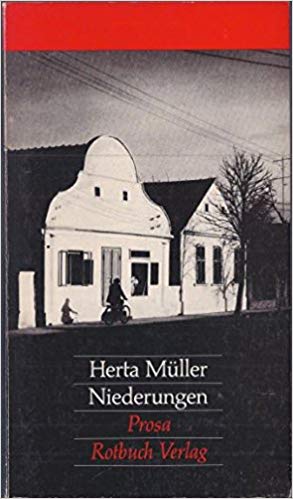 Securitate. About Herta Müller’s Niederungen (Nadirs), March 1982. Note
 National Film Archive - Audiovisual Institute Collection
National Film Archive - Audiovisual Institute is a state institution founded in 1955 and led by the Ministry of Culture and National Heritage. Its main aim is to preserve the Polish cinematographic heritage and to disseminate the film culture. The National Film Archive consists of all sorts of materials of Polish and foreign cinema production: audiovisual materials, photographs, posters, screenplays, and reviews (both press reviews and censorship decisions).
 Rimantas Vėbra collection
Rimantas Vėbra (1931-1999) was a Lithuanian historian and specialist in 19th-century history. His research covers the Lithuanian national movement in the second half of the 19th century. While he was not an active participant in the anti-Soviet dissident movement, his professional activity was restricted because of his writings, research works that were perceived by the authorities as unconventional, and his deviation from the ideological norm.
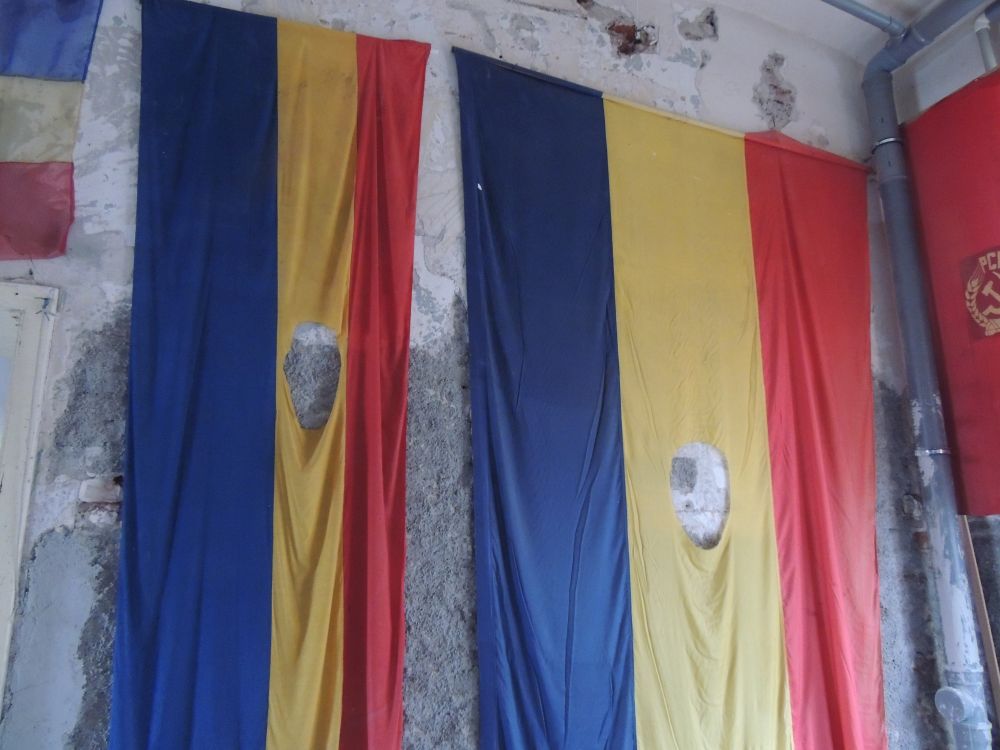 Hall of flags without coats of arms from the Revolution of 1989
One of the most imposing rooms of the Memorial to the Revolution in Timişoara is dedicated to the tricolour flags that were in the street or in various institutions during the very tense days of December 1989. It houses some fifteen flags, all original. “They are flags that have, in a sense, been to war; people came out to demonstrations with them in the days from 15 to 22 December; some of them were shot at; some were discoloured by the weather on those days; they are important symbolic objects that had very important trajectories for the revolutionary movements of 1989, in those heated and bloody days in Timişoara,” says Gino Rado. The majority have a hole where the communist emblem was removed – the flag with a hole in the middle became one of the emblematic images of the Romanian Revolution of December 1989. Of all these flags, only one is of the Communist Party: it was taken down from the building of the Party Committee in Timişoara. They came to the Memorial as donations over a number of years, mostly in the period 1990–1994.
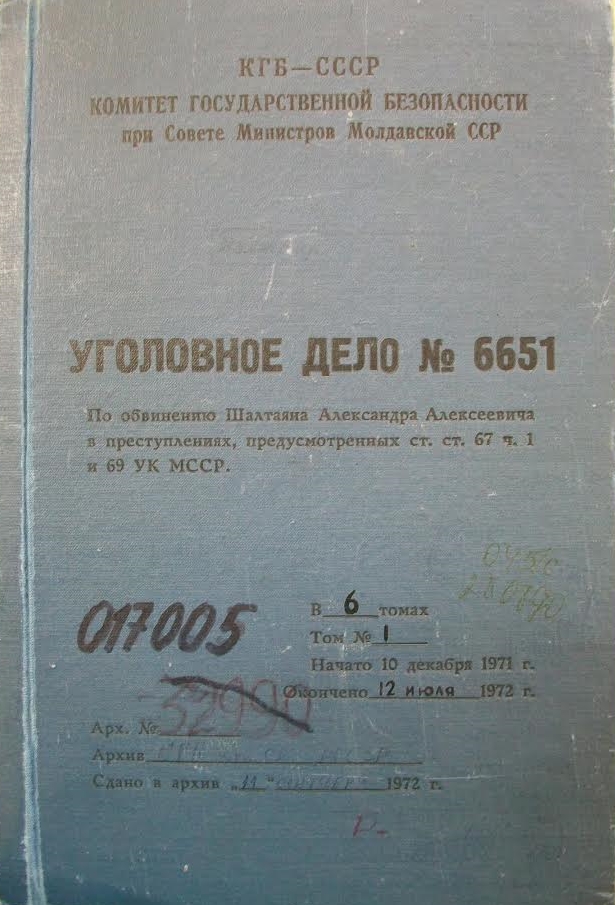 Alexandru Șoltoianu Collection at National Archive of Moldova
This collection comprises various documents (including trial records) relating to the activities of Alexandru Șoltoianu, a well-known oppositional figure in the Moldavian Soviet Socialist Republic (MSSR) in the late 1960s and 1970s. Closely linked to the Usatiuc–Ghimpu–Graur group, Șoltoianu pursued a parallel project of creating a mass nationally oriented anti-Soviet political party known as National Rebirth of Moldavia (Renașterea Națională a Moldovei), to be based upon a broad network of student associations. Șoltoianu’s case files are currently held in the National Archive of the Republic of Moldova (ANRM). These materials were transferred to the ANRM from the Archive of the Intelligence and Security Service of the Republic of Moldova (formerly the KGB Archive).
 Hidden Galleries Digital Archive
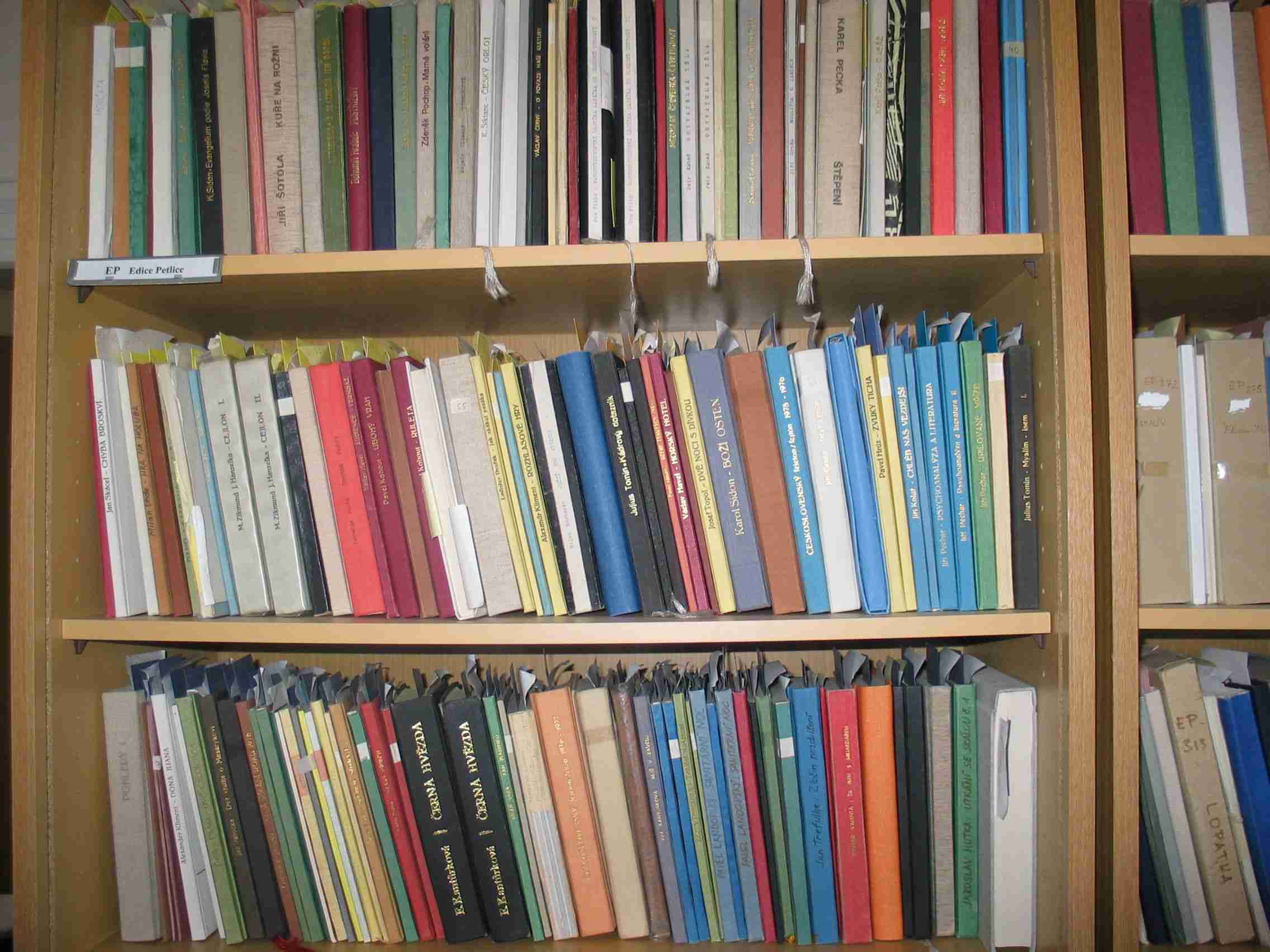 Samizdat Collection of Czechoslovak Documentation Centre
This unique collection of samizdat literature (1972-1989) contains samizdat books by Czech and Slovak authors whose works could not officially be published in socialist Czechoslovakia, as well as a collection of samizdat periodicals and individual texts.
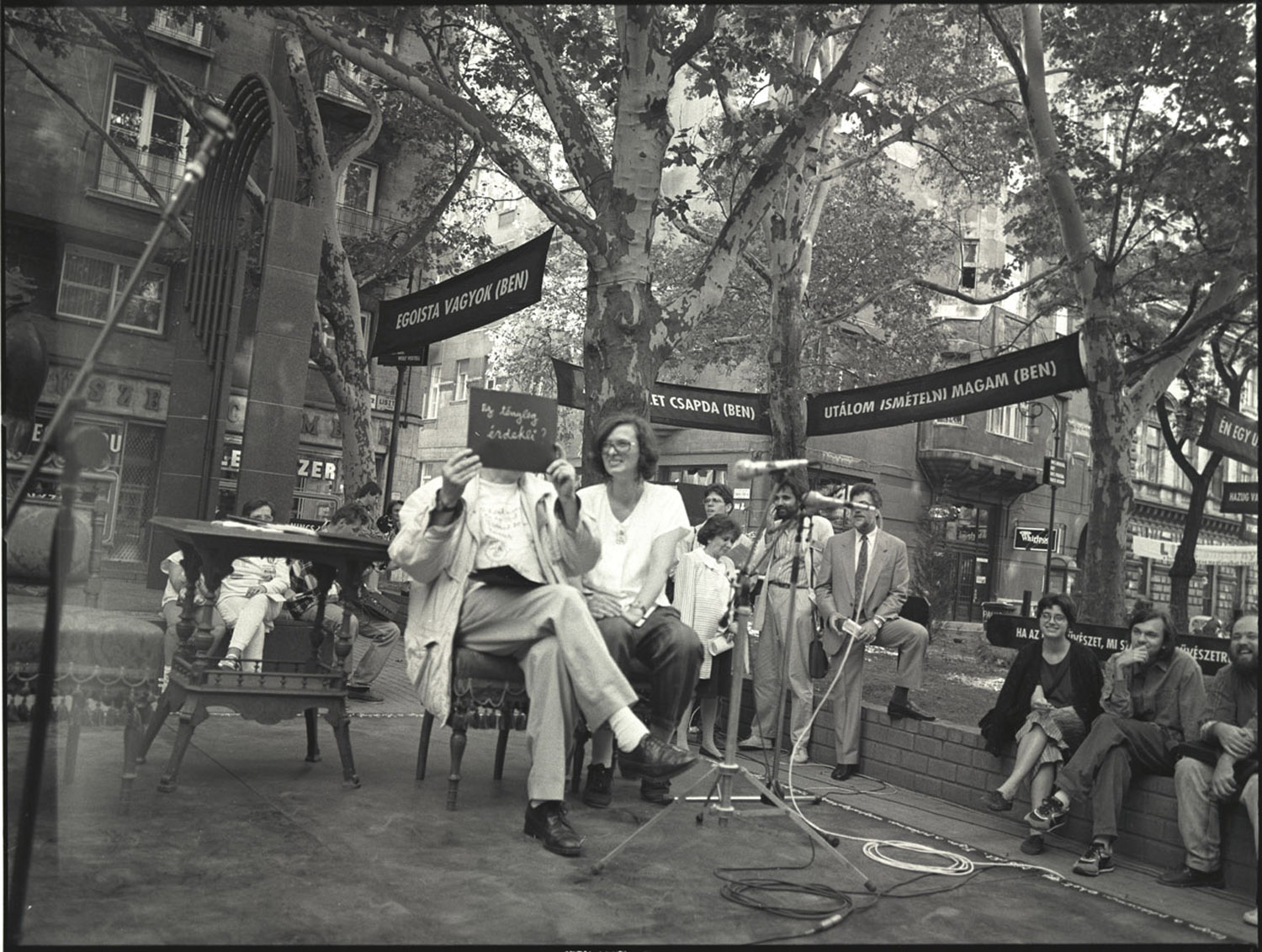 Artpool Performance Archive
Artpool Art Research Center collects, archives, and makes available documents for researchers regarding marginalized art practices of Hungary in the 1970s and 1980s and contemporary international art tendencies. Topics in the archive include progressive, unofficial Hungarian art movements (such as underground art events, venues, groups, and samizdat publications between 1970 and 1990) and new tendencies in international art beginning in the 1960s.
In addition to functioning as a research center, Artpool considers itself an active archive. It organizes events in search of new forms of social activity, participates in the process in a formative way, and simultaneously documents and archives these process in order to promote the free flow of information.
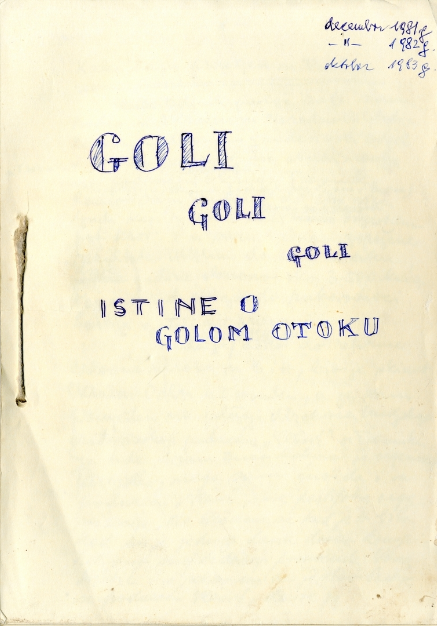 Grgo Šore Goli Otok Collection
The Grgo Šore Goli Otok Collection is part of a broader collection consisting of documents from personal and family bequests and is kept in the Croatian History Museum. The collection includes documentation about Goli otok (a small rocky island in the Adriatic Sea), official correspondence, newspapers and photographs. In his manuscripts, Grgo Šore described in detail all of the horrors he experienced on Goli otok during his captivity as a falsely accused “Cominformist.” Particularly noteworthy are the drawings depicting the brutal treatment of inmates by the prison guards.
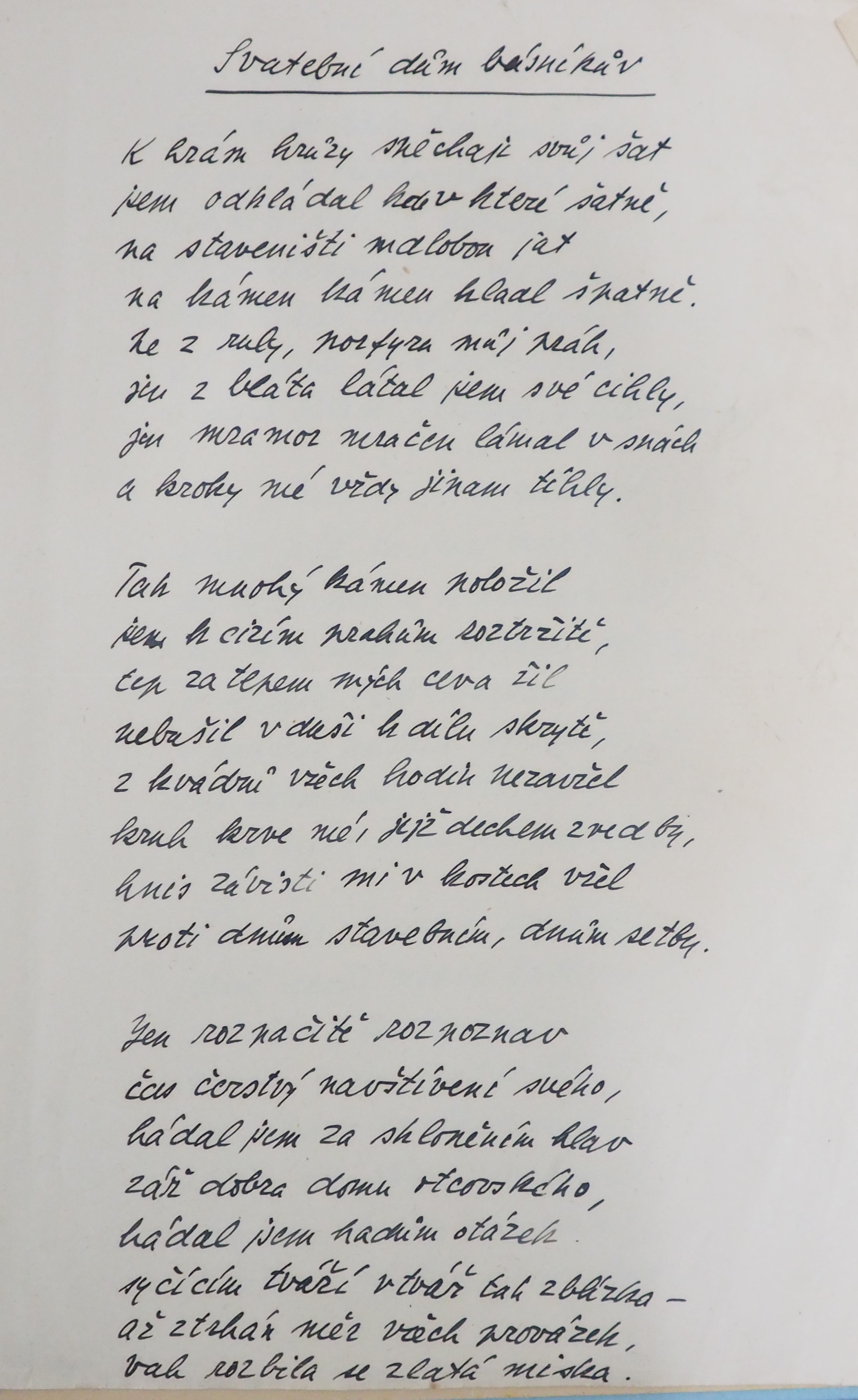
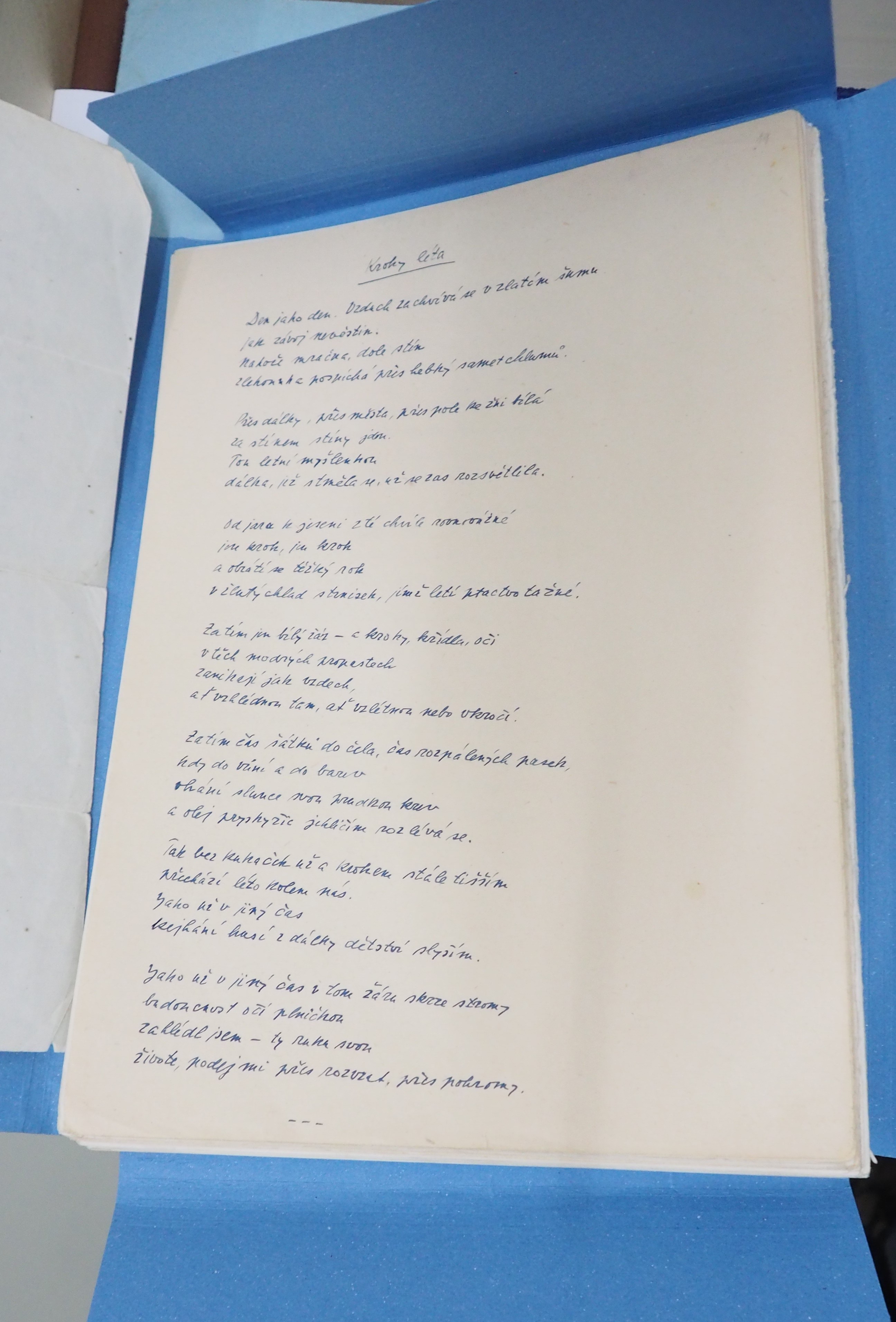
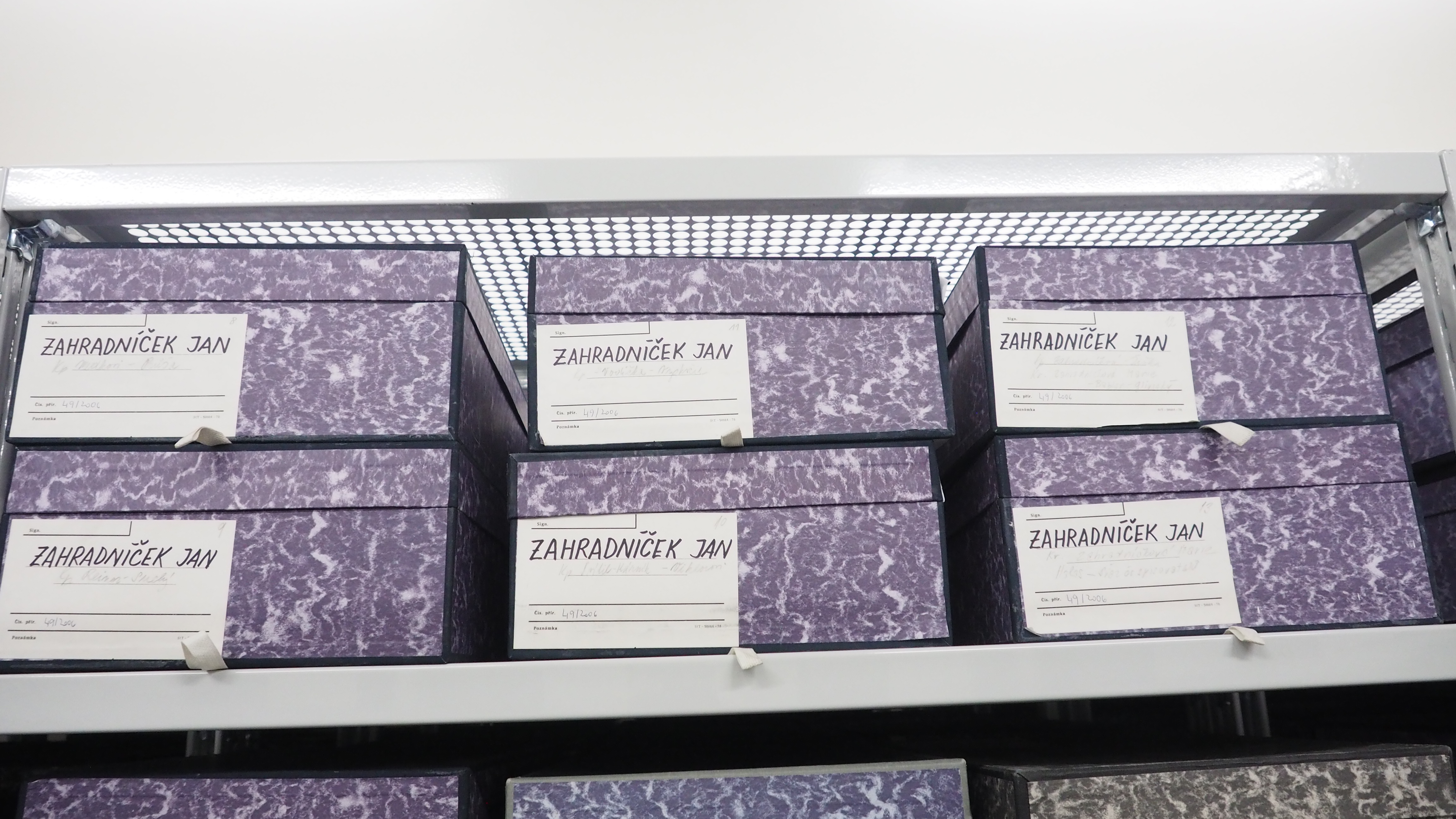 Jan Zahradníček Collection at the Museum of Czech Literature
The Jan Zahradníček Collection at the Museum of Czech Literature is an important resource documenting the literary and Catholic opposition to the communist regime in post-war Czechoslovakia. It includes Jan Zahradníčekʼs poetry manuscripts, written illegally in the 1950s, in Pankrác Prison.
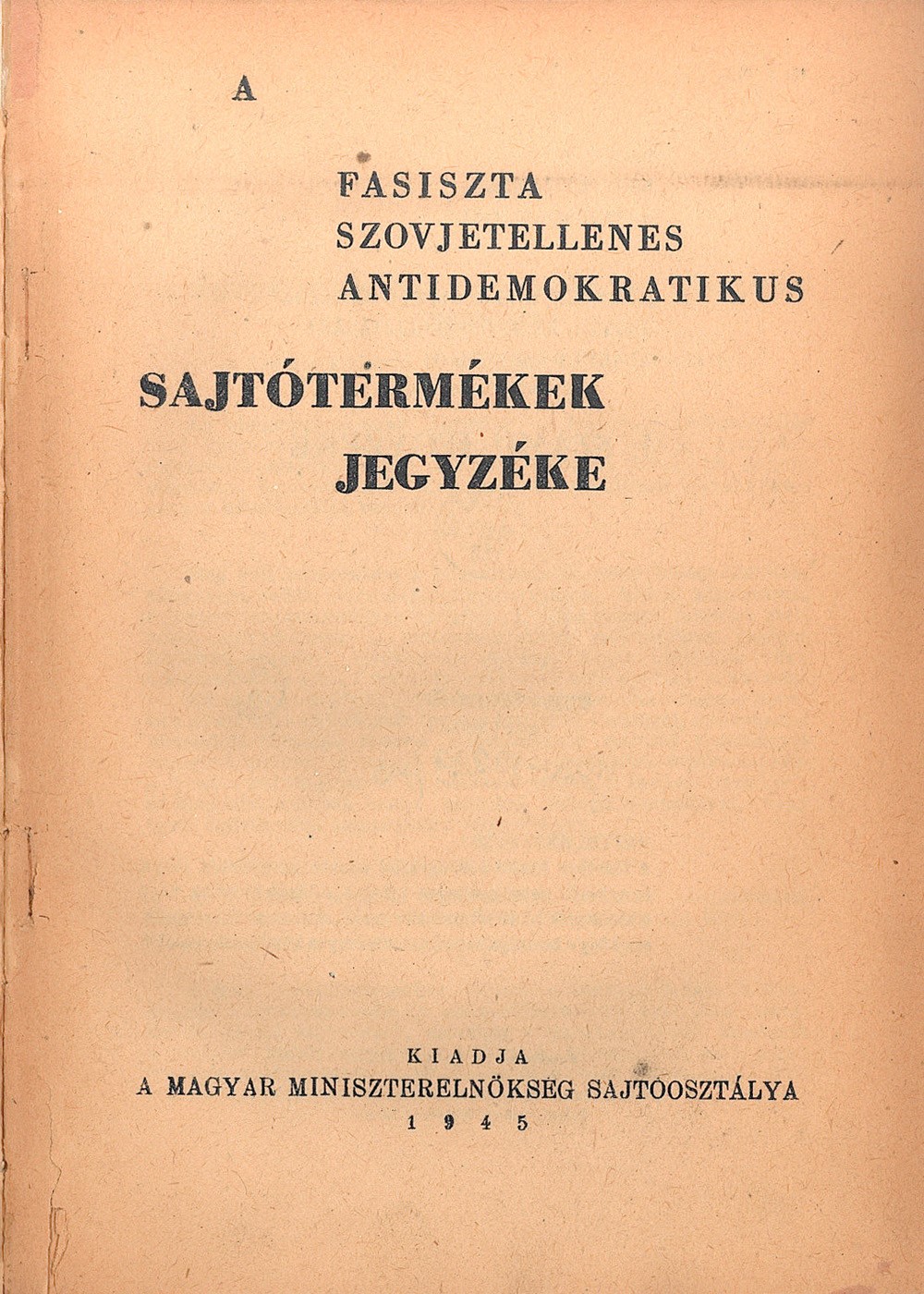 Samizdat Collection at the Hungarian National Széchényi Library
The Closed Stacks Department of the National Széchényi Library (OSZK) was established in 1946. Everything that was not permitted by the censors and could not be part of the public collection of the library was put here. The librarians argued that the task of the national library was to collect every type of publication regardless of its content. The books and journals which were published by Hungarians who fled the country after the Revolution of 1956 added to the number of items. The department became a meeting point for members of the emerging opposition in the 1980s, which created an opportunity to get actual samizdat writings.
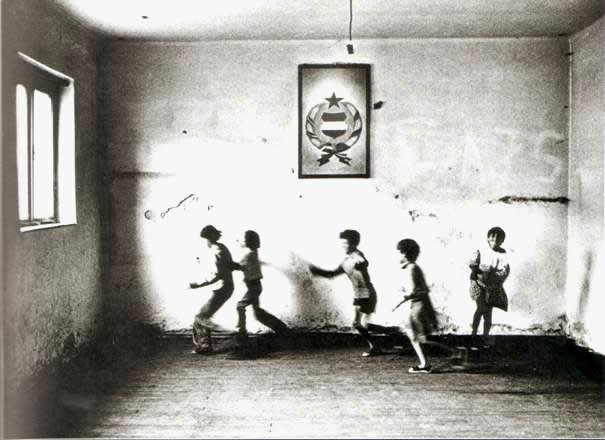 The documents of SZETA - Hungarian dissidents' Fund for Aiding the Poor
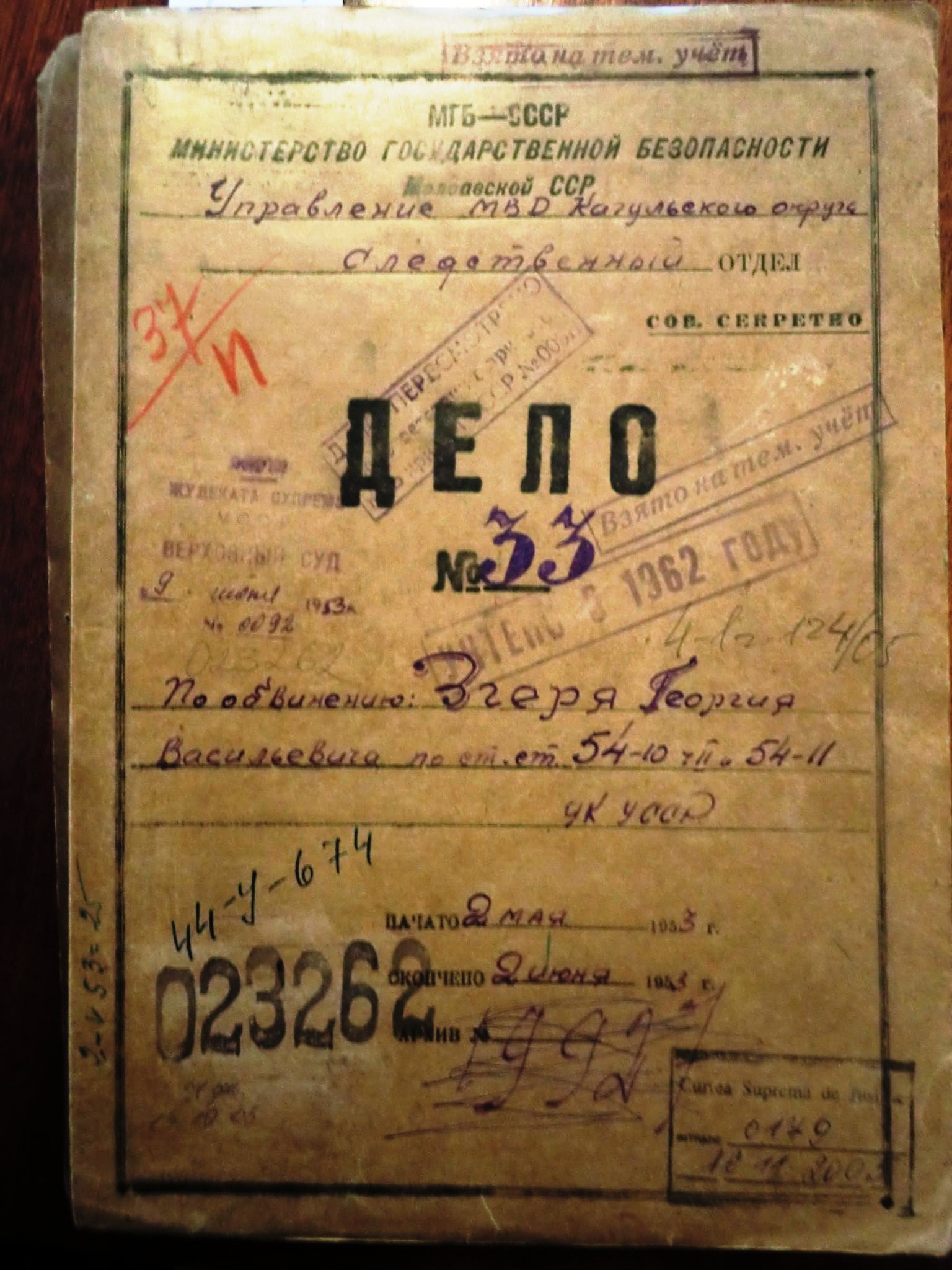 Gheorghe Zgherea Collection at SIS Archive Moldova
This ad-hoc collection was separated from the fonds of judicial files concerning persons subject to political repression during the communist regime which is currently stored in the Archive of the Intelligence and Security Service of the Republic of Moldova (formerly the KGB Archive). It focuses on the case of Gheorghe Zgherea, a person of peasant background who was a member of the Inochentist religious community, a millenarian and eschatological movement active in Bessarabia and Transnistria mostly during the first half of the twentieth century. The collection materials are revealing for the repressive policy of the Soviet regime in the religious sphere, showing the Soviet authorities’ hostile attitude toward non-mainstream and marginal denominations, which were perceived as a particularly serious threat. Zgherea, a preacher within his community starting from late 1950, was accused of “roaming the villages” of the Moldavian SSR and spreading “anti-Soviet ideas” among the local populace by “using their religious prejudices.” Arrested on 2 May 1953, he received a harsh sentence of twenty-five years of hard labour. His sentence was reduced to five years of hard labour in June 1955, when he was also amnestied according to a special decree of March 1953. Zgherea’s case thus points to the changing strategies of the regime applied after Stalin’s death, but also to the continuity of repression and to the shifting practices of stifling dissent in post-Stalinist Soviet society.
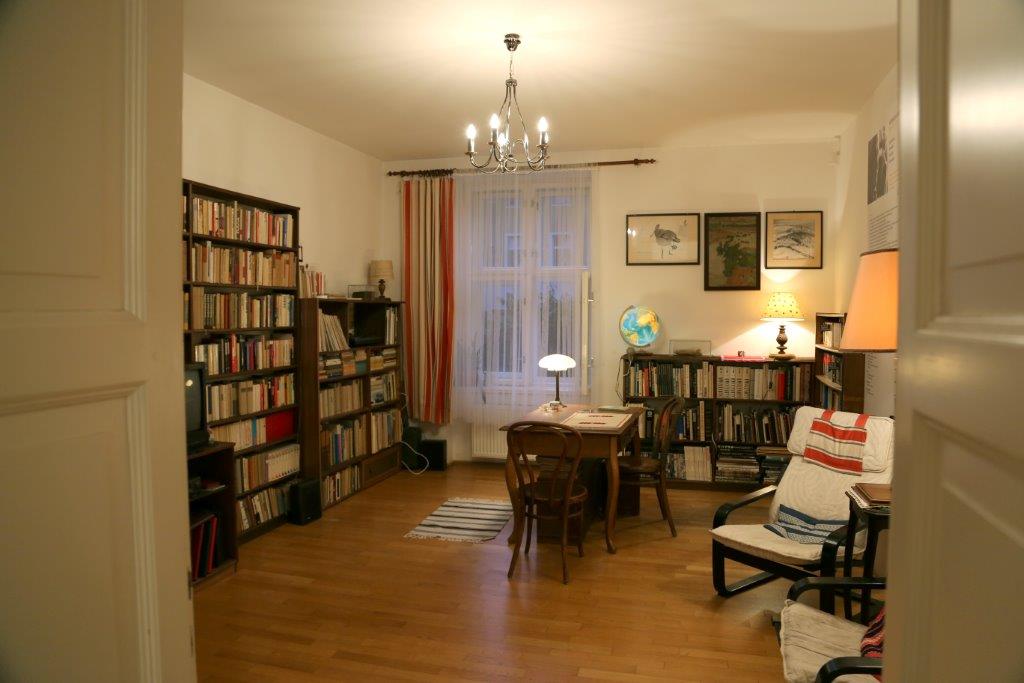
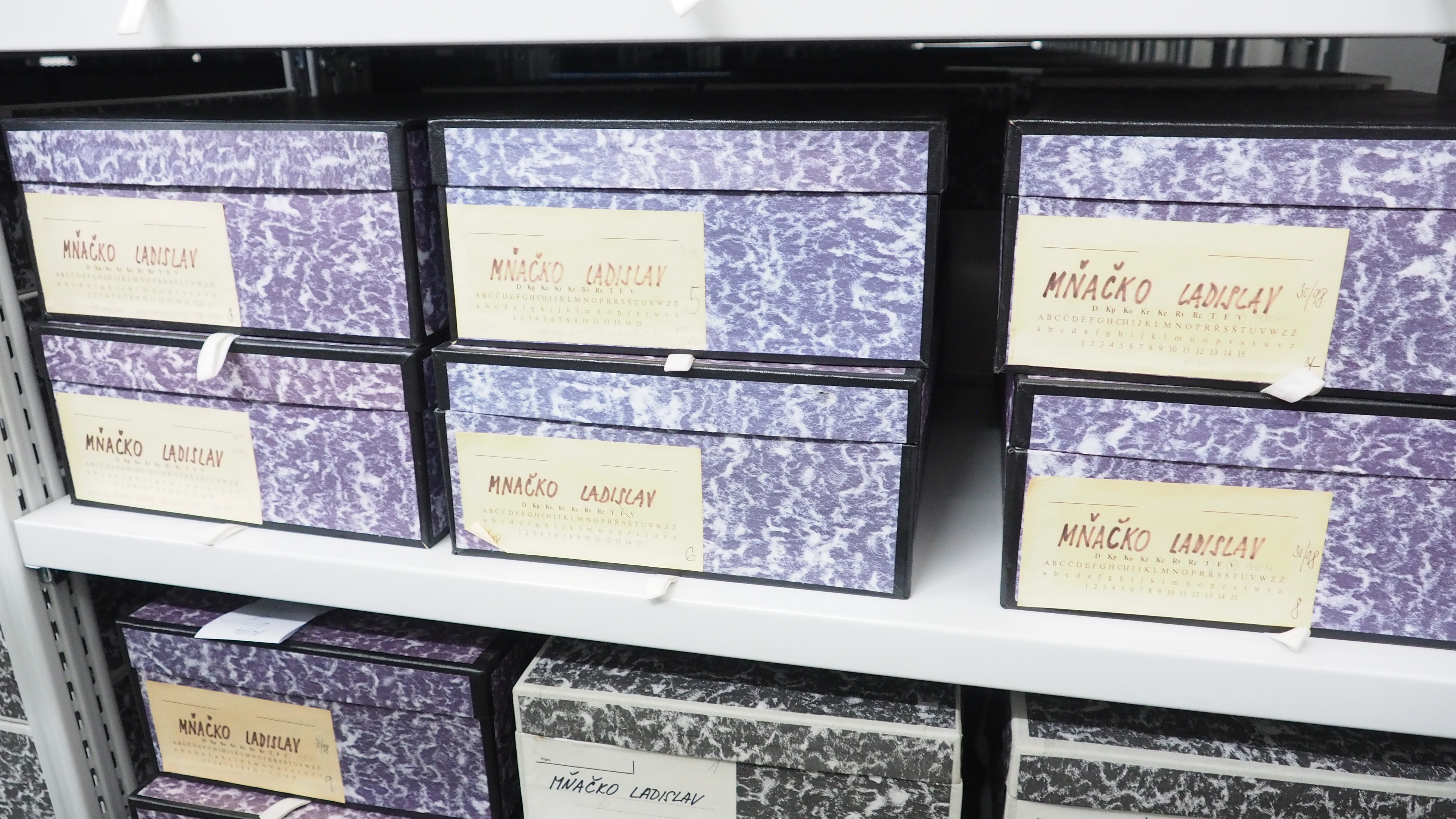 Ladislav Mňačko Collection at the Museum of Czech Literature
The collection of Ladislav Mňačko (1919–1994), a Slovak writer and former prominent Czechoslovak journalist, consists of unique correspondence, manuscripts, prints and clippings which help to describe the life of this significant writer, who after August 1968 was a critic of the communist regime and a representative of Czechoslovak exile literature.
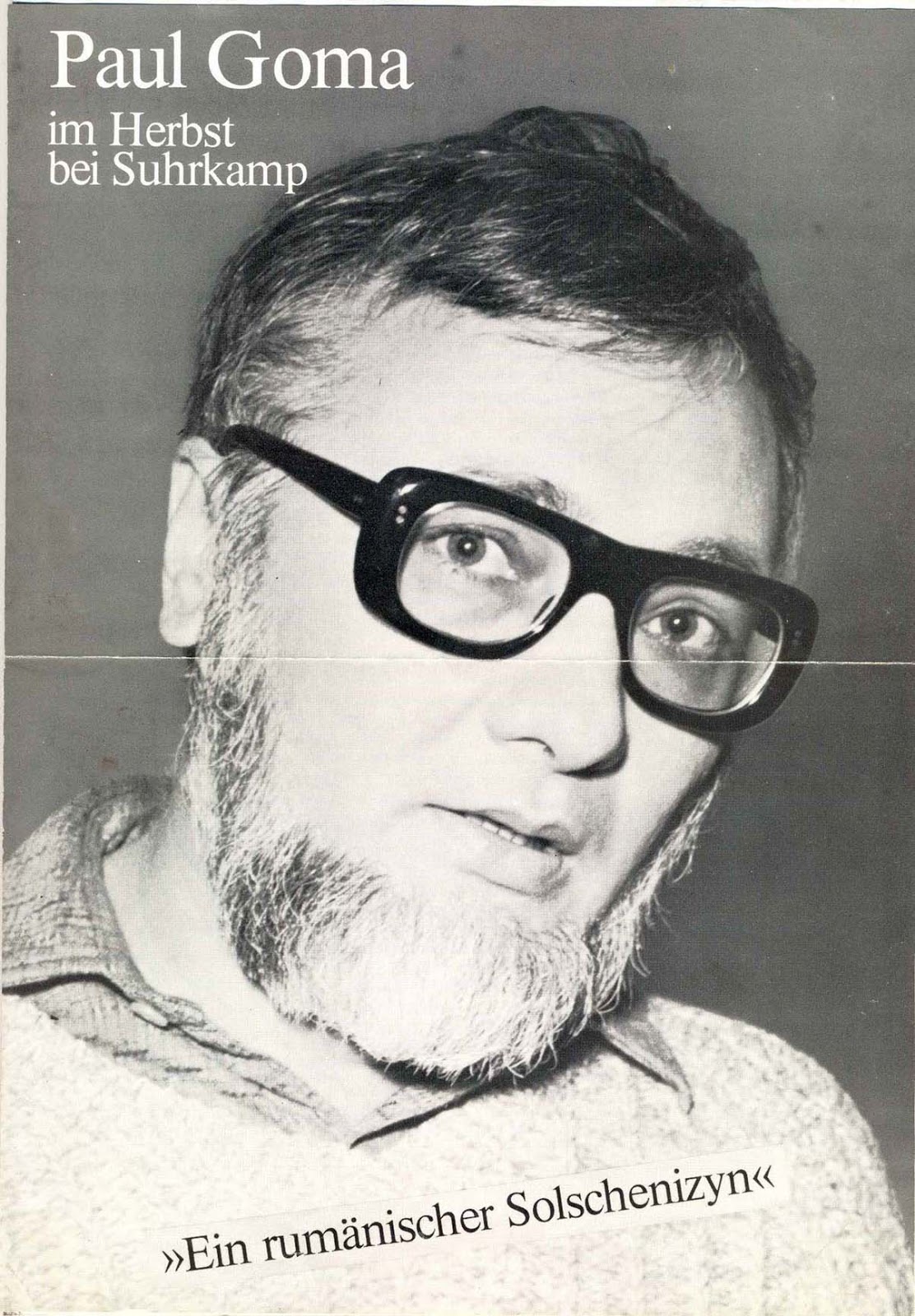 Paul Goma Private Archive
This collection consists primarily of the items confiscated by the Securitate on 1 April 1977, on the occasion of the house search and arrest of the driving force behind an emerging movement in defence of human rights in Romania, Paul Goma, a writer censored in Romania but successful abroad. A particular feature of this collection is that the confiscated items were not destroyed, but were preserved by the Securitate and finally transferred to CNSAS in 2002, from where they were returned to Goma in 2005. Thus, the collection is one of the few which travelled after 1989 from Romania into exile and is now to be found in Paris, where Goma was forced to emigrate a few months after his arrest and the confiscation of the collection.
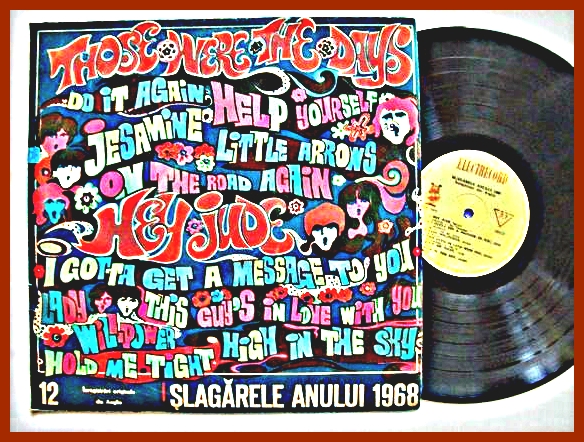 Nelu Stratone Private Musical Records Collection
The Nelu Stratone collection is one of the most impressive collections of rock, jazz, and folk records created in communist Romania, as a result of the happy combination between its owner’s exceptional passion for alternative music and his ability to acquire records that were not imported officially. The collection is important not only for its size, but even more for the significant number of albums of Western provenance, which were unavailable in shops in Romania but could nevertheless be obtained due to the existence of an alternative market for such products. The creation and preservation of such a collection were activities regarded with suspicion by the communist authorities in Romania, because they proved the younger generation’s fascination with Western cultural products, in contravention of the spirit of Nicolae Ceauşescu’s Theses of July 1971.
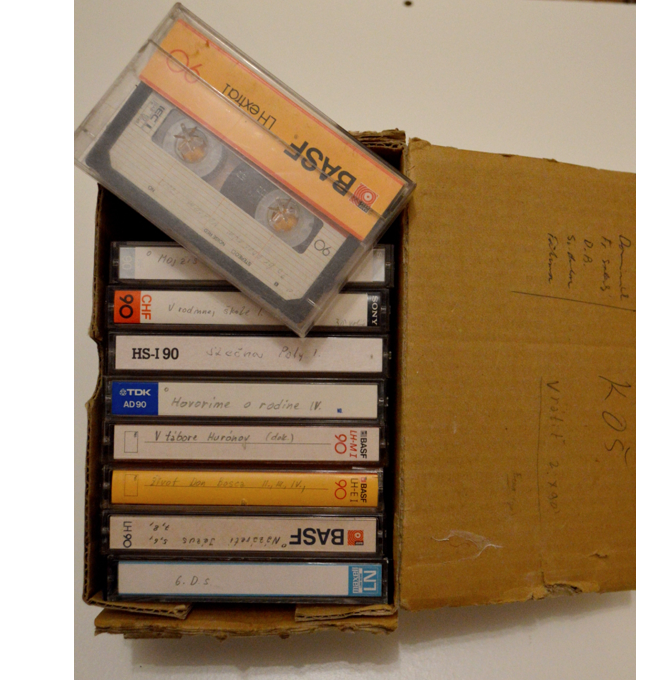 Margita Múčková Collection
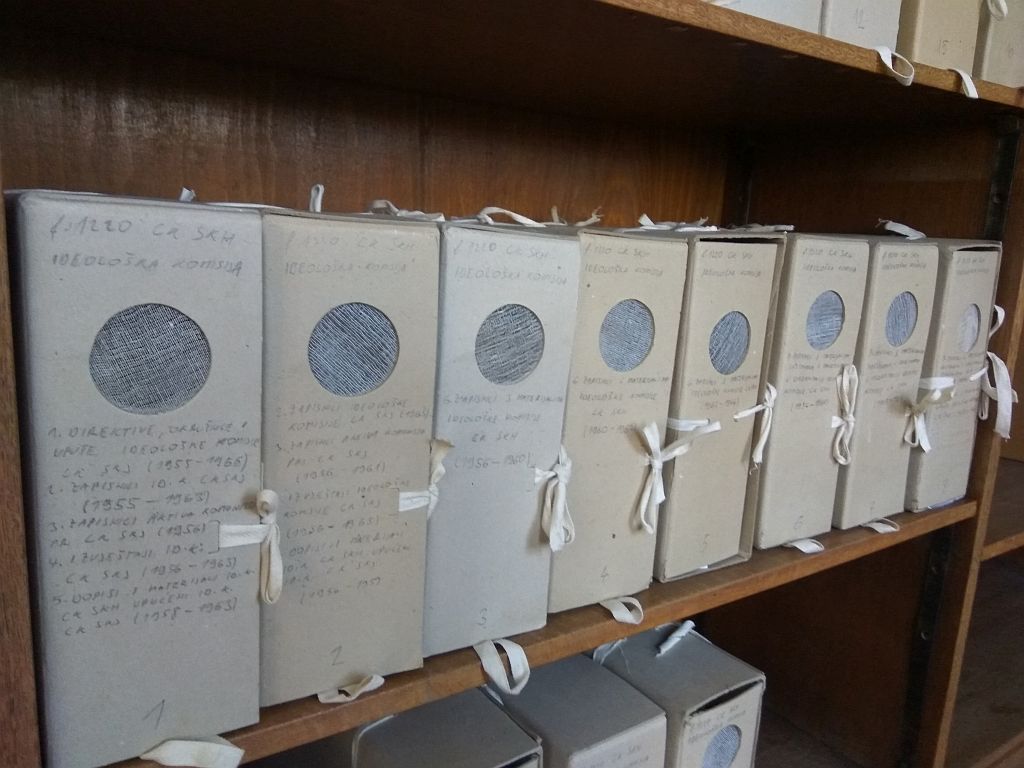 Collection of the Ideological Commission of the Central Committee of the League of Communists of Croatia (1956 - 1965)
In the collection of the Ideological Commission of the League of Communists of Croatia (IC LCC) (1956-1965), a number of documents illustrate the IC LCC's view of ideologically inappropriate occurrences in cultural creativity (art, literature, film), the media (the press, radio and television), education and science in Croatia. This commission had the task of monitoring, analysing and directing overall activity in these areas, issuing its directives and establishing staffs in all major institutions and organizations. In this way, it also reacted to ideological currents that did not align with the accepted direction, and it thereby became the deciding factor in cultural policy in Croatia.
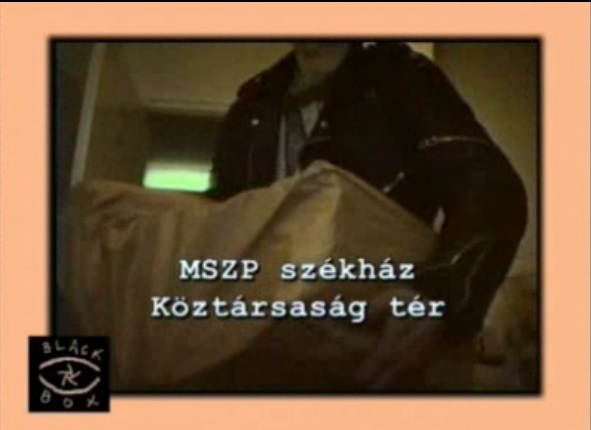 Danube-gate, 1990. Documentary film
The 34-minute long documentary film ‘Danube-gate’ by Black Box is an event tracking documentation of the secret spying scandal that exploded in Hungary in January 1990. Police Major József Végvári, an active member of the infamous III/3 secret department, in late 1989 called on the cameraman of Black Box to help to reveal the fact that months before the free elections, the ex-communist ruling party, renamed MSZP, was still surveilling the activists of the democratic opposition, just as it did for several prior decades.
In one of her interviews, Márta Elbert recalled her memories about the discovery and its effects: “In January, with the Danube-gate scandal exploding because of our recordings, we practically managed to remove the Interior Minister from his position. In our days, the activities of Department III/3 of the Hungarian secret police were well known. However, at that time no one had any idea about its staff, and how it worked in secret operations; it was our film ‘Danube-gate’ that shed light on these aspects for the first time, informing a wider public. It is no wonder then that these revelatory shots immediately made Black Box known and esteemed not only in Hungary, but also abroad, as the world’s major TV companies tried to come in contact with us. […] Nowadays, in the media, spectacular expositions follow each other at such speed that they often extinguish each other’s effect. But at that time it was different. And just a few months before the first free elections, it was really shocking for most of the public to be informed that the secret police went on surveilling the democratic opposition in much the same way as it had been doing before, although the National Roundtable Negotiations of 1989 concluded in an agreement between the ruling communist party and the opposition to stop all those antidemocratic secret operations. In fact, the Danube-gate scandal set off by our film was the very first case that publicly identified by face and name those hidden and high-ranking apparatchiks who were in charge of operating the secret spying and reporting system in Hungary.”
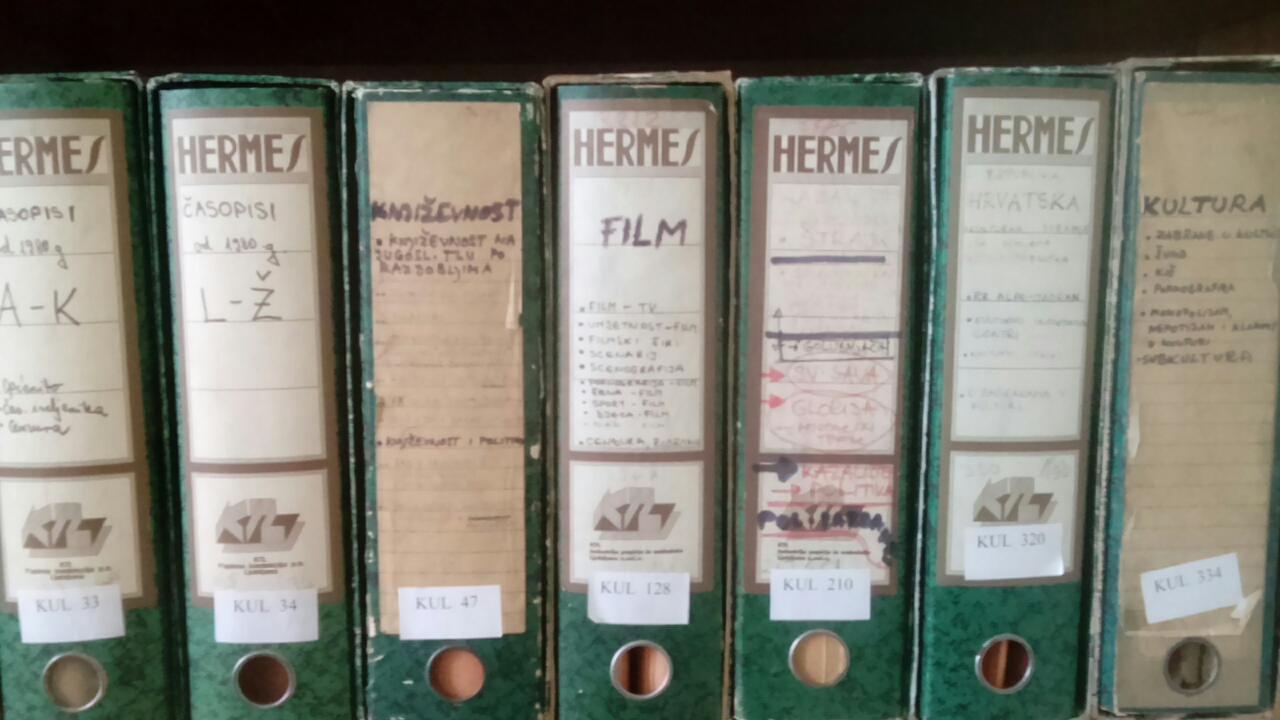 Vjesnik Newspaper Documentation
Vjesnik Newspaper Documentation is an archival collection created in the Vjesnik newspaper publishing enterprise from 1964 to 2006. It includes about twelve million press clippings, organized into six thousand topics and sixty thousand dossiers on public persons. Inter alia, it documents various forms of cultural opposition in the former Yugoslavia, but also in other communist countries in Europe and worldwide.
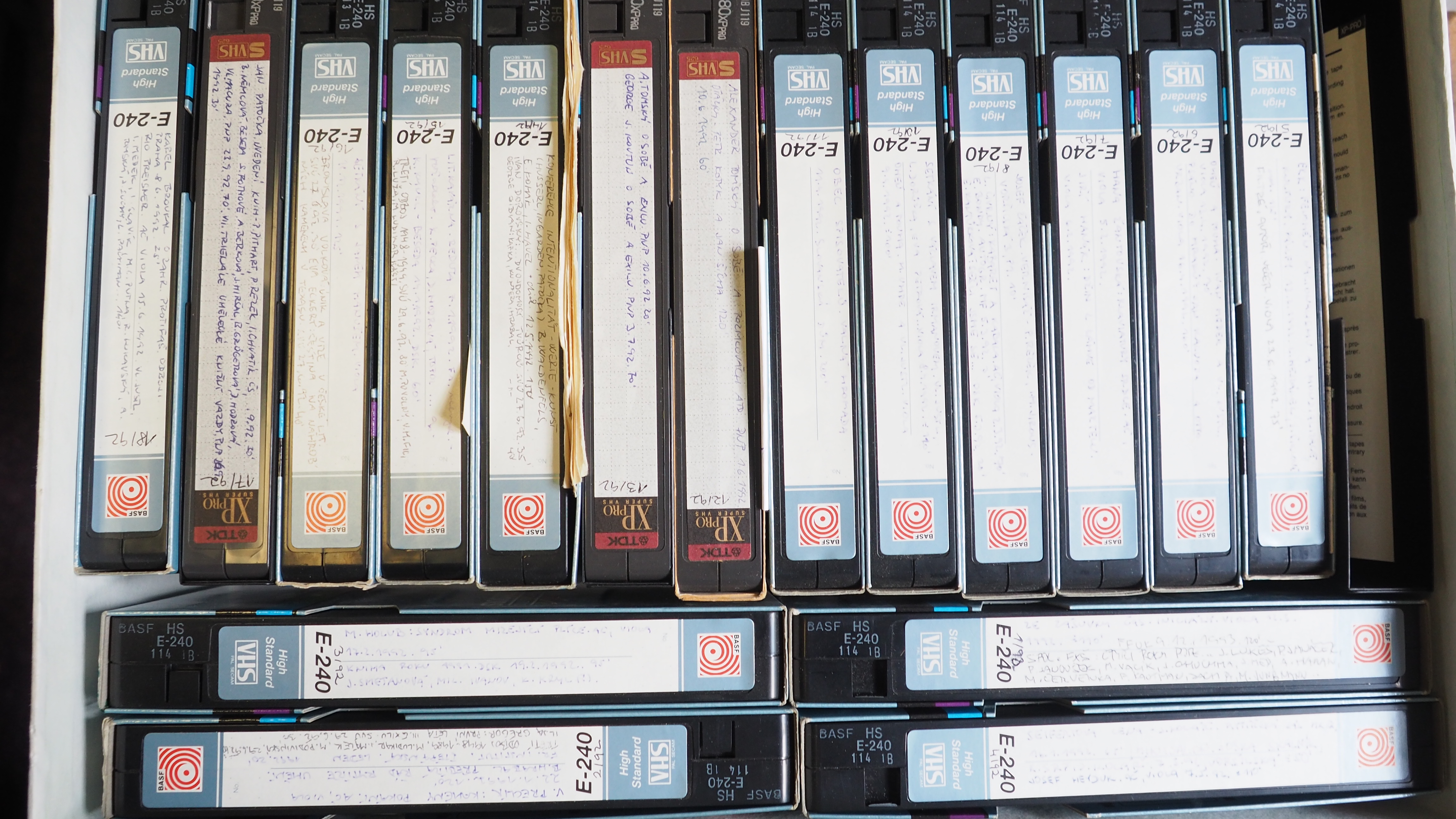
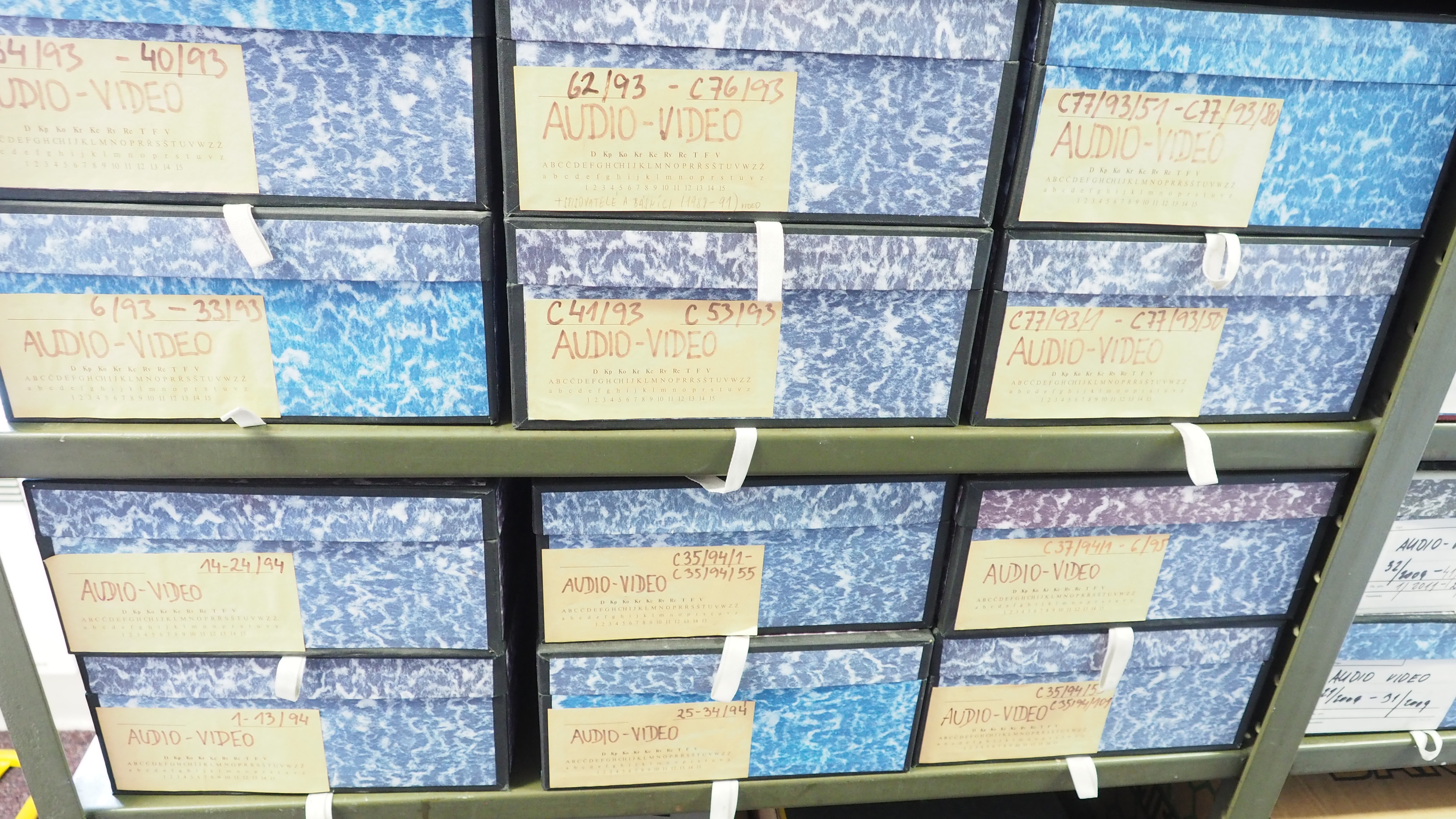
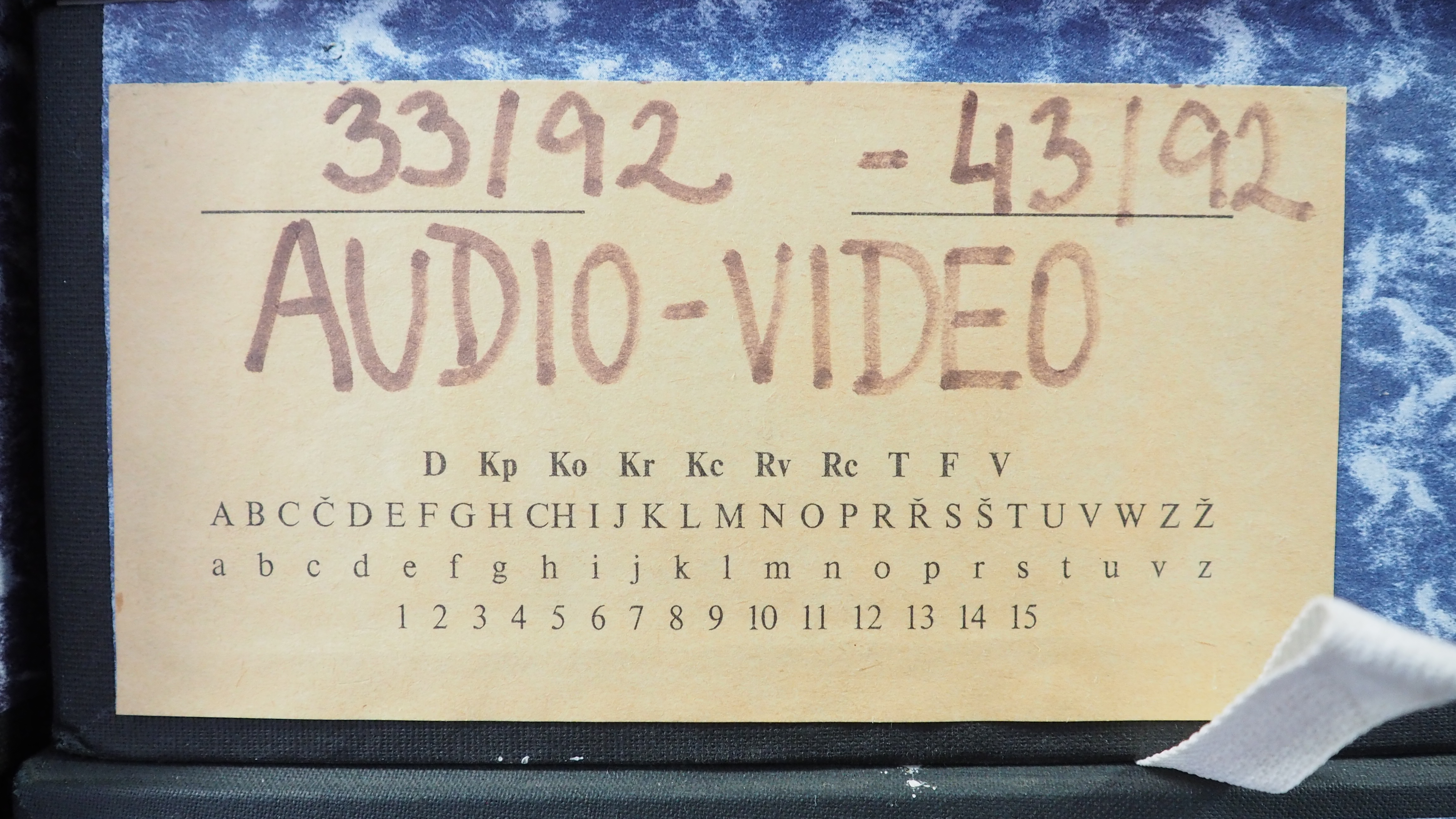 Video and Audio Library of the Literary Archive of the Museum of Czech Literature
The video and audio library of the Literary Archive of the Museum of Czech Literature consists of audio and video recordings of Czech poets and writers from 1932 until 2013; the collection also covers the literary scene in Czechoslovakia before 1989, including the activities of unofficial or “banned” writers and artists and their work in exile. One important part of the collection are recordings made between 1990 and 2013 as part of the Authentic project, which focused on recording videos and audios from various spheres of the Czech literary scene.
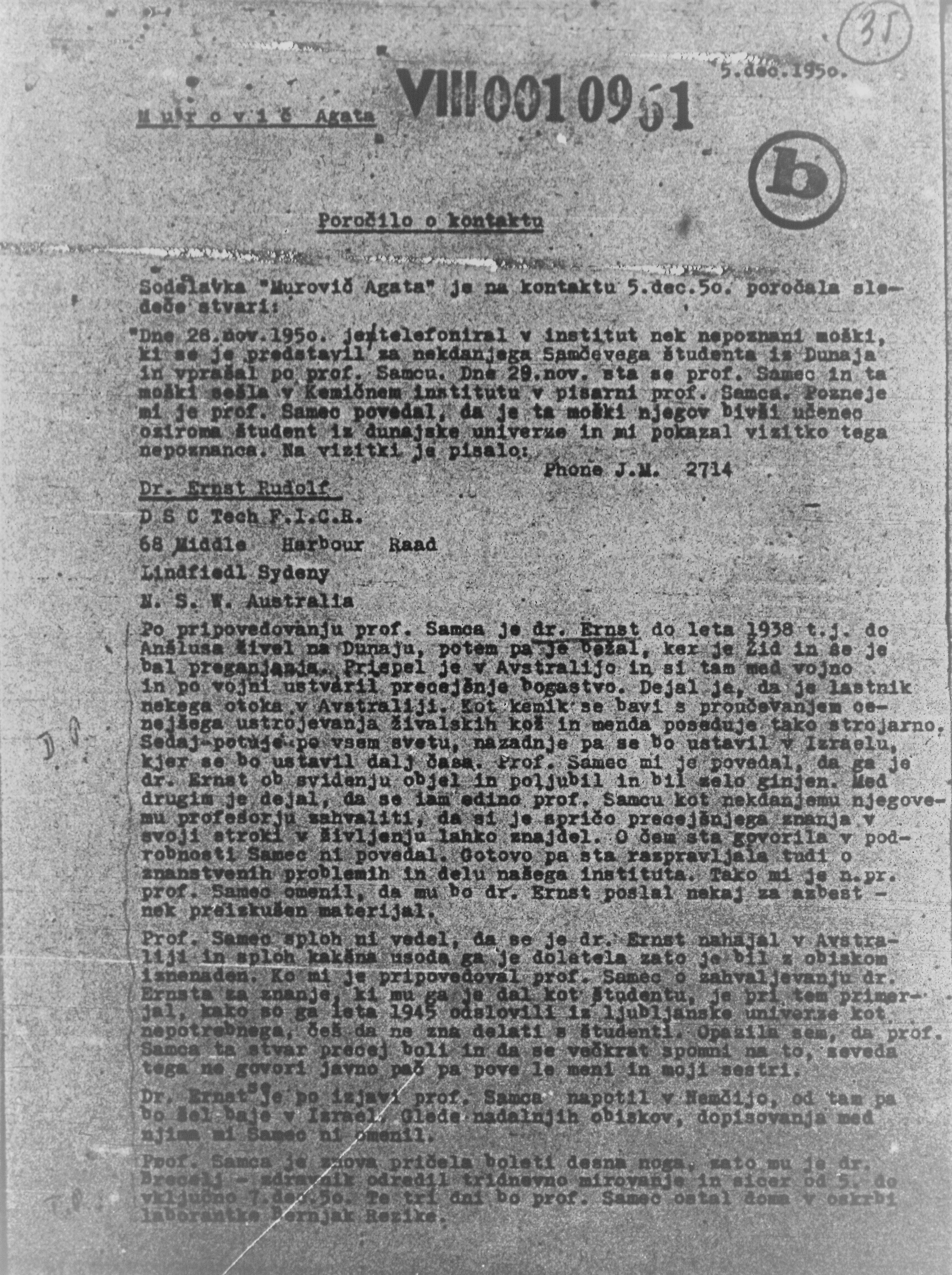 Report of UDBAs Associate Agata Murovič, 1950. Manuscript
UDB-a captain France Malešič recorded the information obtained by an UDB collaborator with the code name Murovič Agata. At the meeting held on December 5, 1950, the collaborator reported about Maks Samec’s contacts with foreign experts, his health condition and the situation at the institute as well. This was a regular meeting between Malešič and his subordinate that was part of a broad surveillance scheme by the Slovenian branch of secret political police (UDB-a).
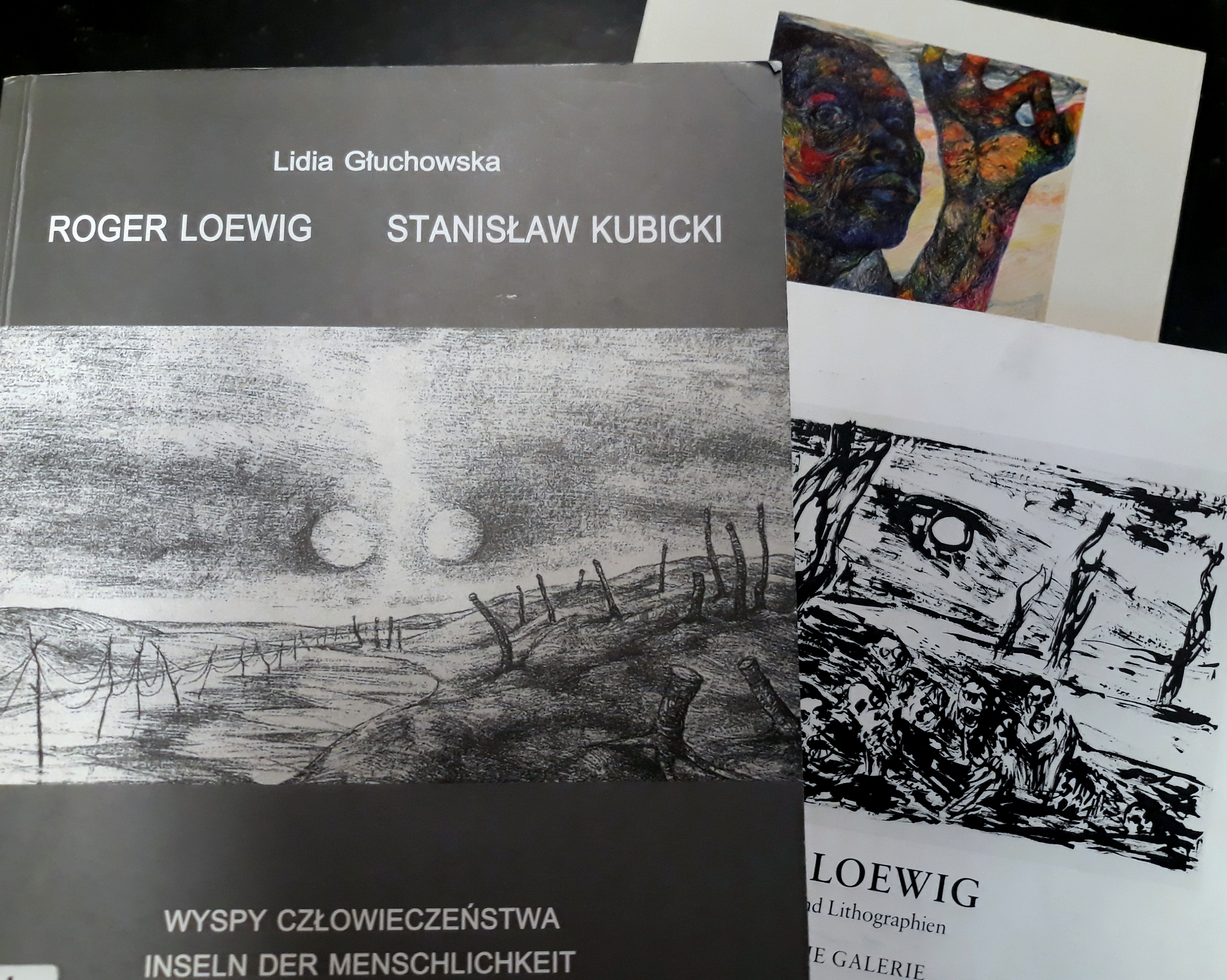 Roger Loewig Collection
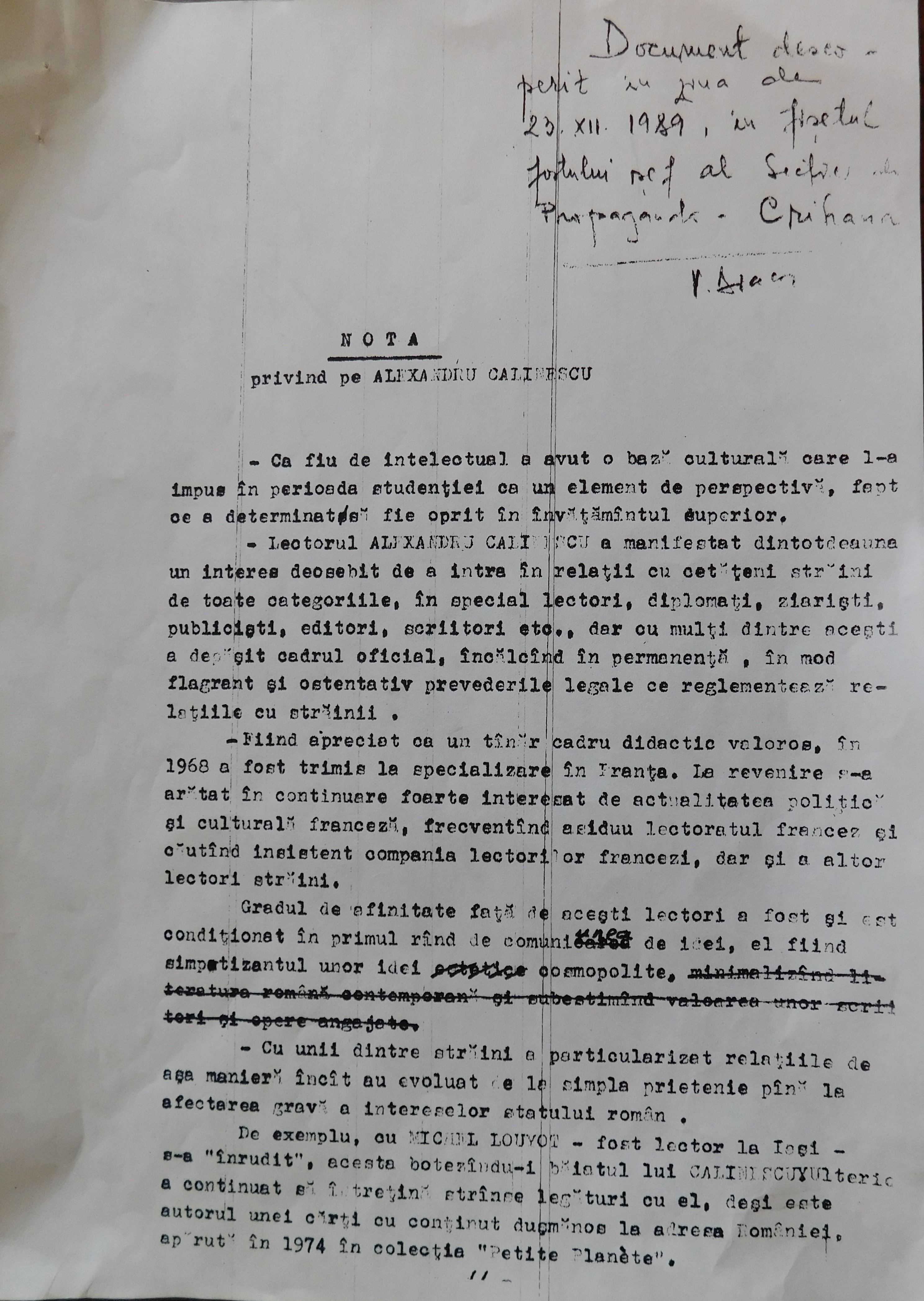 Informative note of the Securitate regarding Alexandru Călinescu, 1989
One of the documents in the Alexandru Călinescu private collection reflects the perspective from which this critical intellectual in Iaşi was regarded by the authorities in the last years of communism, when the dissidents in the city, including Alexandru Călinescu, became radicalised in their attitude towards the Ceaușescu regime. The document was discovered on 23 December 1989, in the cabinet of the person who had been propaganda secretary for Iaşi county up until the previous day, and thus came into the possession of Alexandru Călinescu. It had also been sent, as Alexandru Călinescu recalls, to the then rector of A.I. Cuza University of Iaşi, “so he would work on me, but without success, of course,” he adds. This document was published by the former dissident in 2018 under the suggestive title “My life told by the Securitate,” together with other documents of the same type and an article summarising the context of the last two years of communism in Romania.
The Securitate informative note begins by recalling the intellectual origins of the person in question and emphasising that “he has always manifested a particular interest in entering into relations with foreign citizens of all categories, especially language assistants, diplomats, reporters, journalists, writers, etc., but with many of these he exceeded the official context, […] repeatedly transgressing in a flagrant and ostentatious manner the provisions regulating relations with foreigners.” Because he had “cosmopolitan” ideas and implicitly a “communion of ideas” with some of these foreigners, “he particularised the relations in such a manner that they developed from simple friendship to seriously affecting the interests of the Romanian state,” the document continues. The informative note on Alexandru Călinescu emphasises his role as the leader of the oppositional group around the magazine Dialog: “He has been considered the mentor of a group of young people with literary ambitions, launched by the above-mentioned publication, and has appointed himself a ‘school leader’ of the so-called ‘1980 generation,’ to whom he has passed on his harmful ideas.” The articles published in Dialog under the direction of Alexandru Călinescu by him and his disciples are characterised as being ‚ “of a contestatory character, which has attracted the attention of reactionary circles in the West, who provided them with publicity through the ill-famed radio station Free Europe.” As the leader of the new generation at Dialog, which he directed towards “hostile activities,” Alexandru Călinescu was considered to have “arrived at the threshold of treason,” resulting – according to the note – in no more than a sanction through Party structures with a “vote of blame.” The note goes on to emphasise that the individual in question “has not drawn appropriate conclusions from the measures taken in 1983. Making a mockery of the good advice and disregarding the clemency that was shown in his case, he has continued to maintain the same position, at first more prudently, then more and more openly and ostentatiously.” The document then recounts how Alexandru Călinescu “has gone further down the slope of treason,” by facilitating Dan Petrescu’s and Liviu Cangeopol’s meetings with French journalists to whom they granted interviews “with a particularly hostile content,” and thus becoming “the coordinator from the shadows of the alleged Iaşi dissidence.” Moreover, the document states, Alexandru Călinescu has shown solidarity with the dissidents in Bucharest, who have taken a public position in defence of Mircea Dinescu. The conclusion of the informative note with regard to the individual under surveillance is that “he more and more often exteriorises ideas inciting opposition to the socialist regime in our country, […] letting himself be influenced by what is happening in other socialist countries.” It is interesting to observe the interpretive key in which the Securitate informative note narrates all these real actions of contestation of the regime, as a result of which Alexandru Călinescu had become at the end of the 1980s one of the most heavily surveilled critical intellectuals in Iaşi and indeed in the whole of Romania. In the words of the secret police documents, “by the hostile actions he has carried out, especially in the last two years, […] Alexandru Călinescu has proved [...] that he has crossed the threshold of treason to the country and has become a tool of reactionary circles in the West, through which he has seriously compromised his status as citizen, Party member, and university teacher.” In other words, all that after 1989 became an act of courage was considered an act of treason before 1989.
Exhibits of European Solidarity Centre
This collection expresses the artistic tendencies in the last decades of Polish reality under socialist regime. It includes a huge number of graphics, posters, paintings and drawings, as well as some items produced by opposition members held under detention.
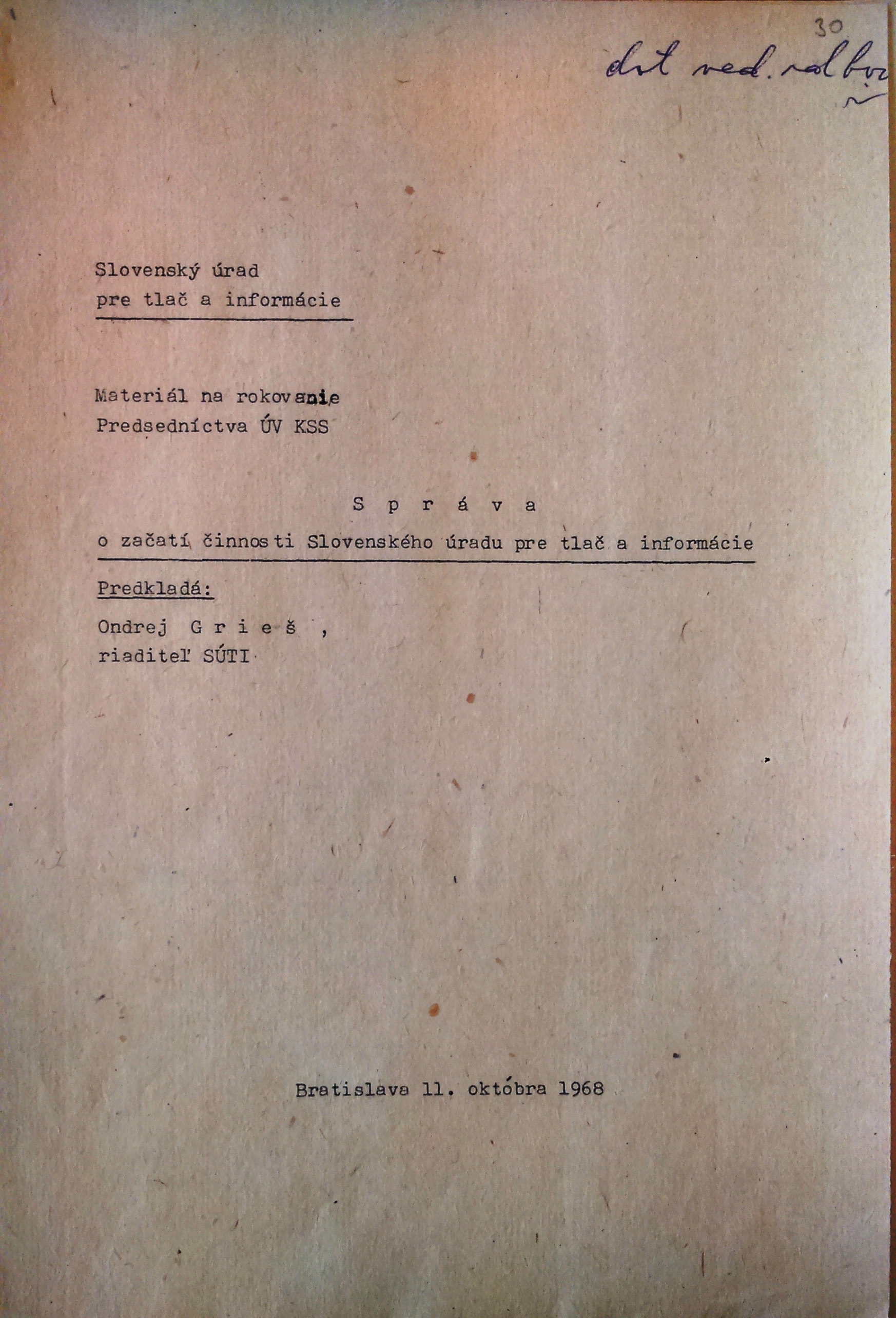
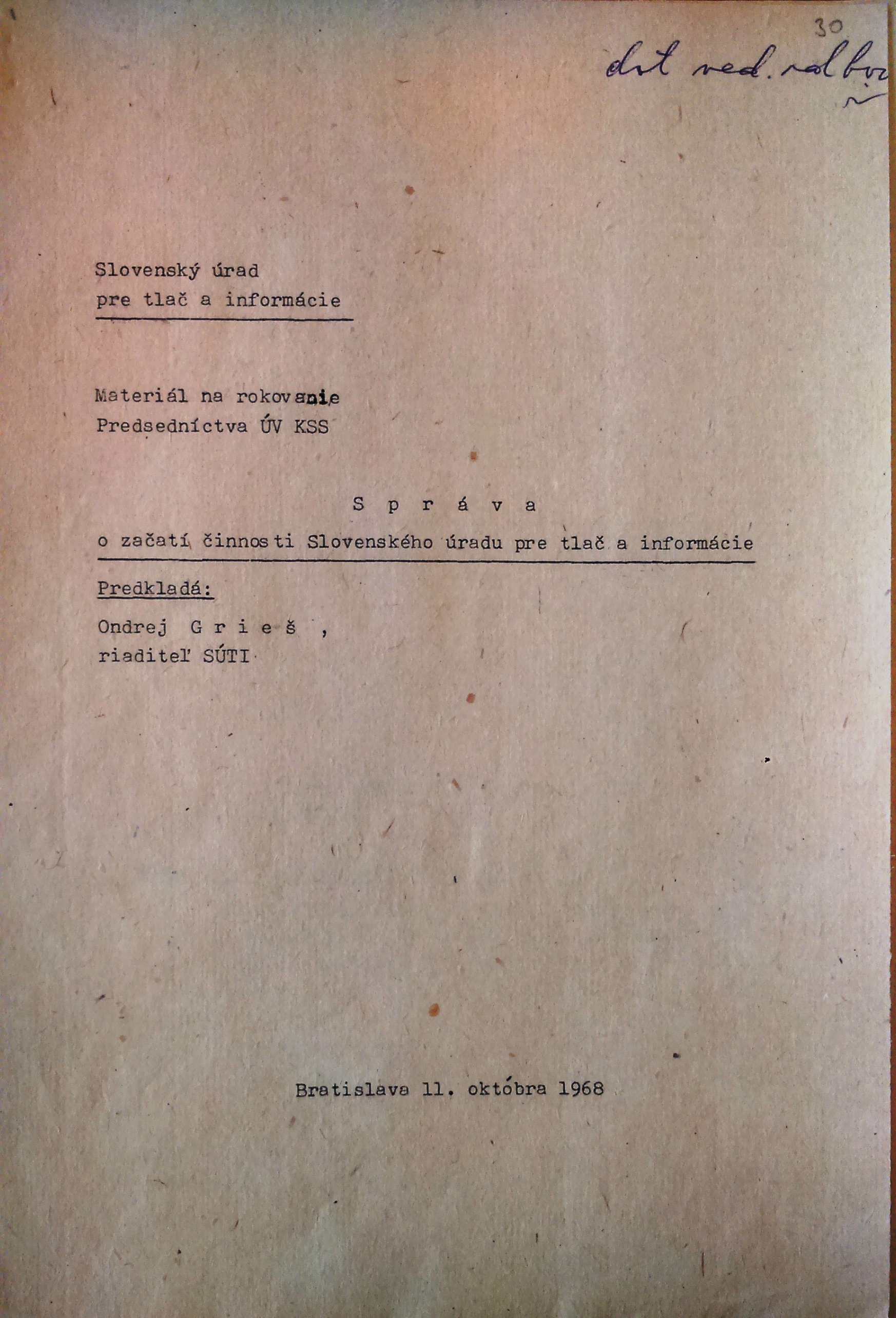 Slovak Office for Press and Information
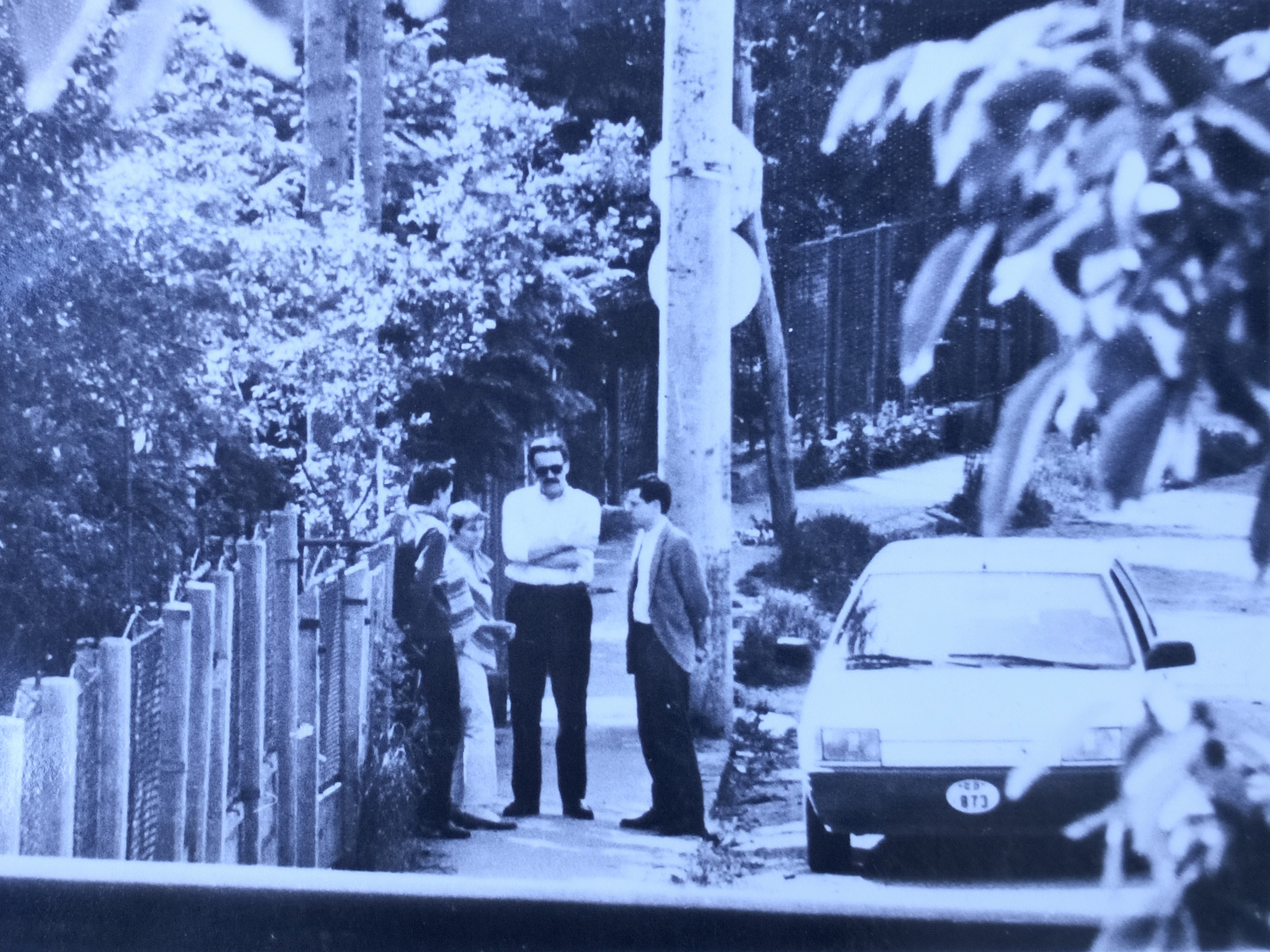 Securitate. Doina Cornea and the staff of the French Embassy in Bucharest, 1988. Photo
A valuable part of the Doina Cornea private collection is made up of photographs. Some of these photographs (more than a dozen), which were taken by the Securitate in the late 1980s, ended up in Cornea’s possession in a strange way that illustrates the contradictions of the turbulent Romanian exit from Ceaușescu’s dictatorship. In the late 1980s, the Securitate put Doina Cornea under strict surveillance and she became the target of harsh repressive measures on the part of the state authorities due to her oppositional activity. These photographs were taken by the Securitate during the complex operation of keeping Cornea under surveillance and were aimed at analysing her daily activity and social network. Later, the photographs were archived by the secret police in their “informative surveillance file” (dosar de urmărire informativă) on her and were usually attached to an “informative” report drafted by Securitate employees for the higher echelons of the secret police. The items remained in the possession of the secret police until December 1989. During the Romanian Revolution of 1989, Doina Cornea became a leader of the population of Cluj in revolt and acted as their unofficial representative. The Romanian army changed sides on 22 December 1989 and joined the population in revolt. In this turbulent period, the Ministry of National Defence became the institution with custody of the Securitate archives.
According to her son, Leontin Horațiu Iuhas, after 22 December 1989, Doina Cornea, as a representative of the local population, had several meetings with the leadership of the Romanian Fourth Army, which had its headquarters in Cluj. During one of these meetings, in order to show their support for the population in revolt and as a gesture of benevolence, the leadership of the Romanian Fourth Army gave Cornea several photographs from her Securitate files (Interview with Leontin Horațiu Iuhas). This gesture could be understood as an attempt of the leadership of the local military to gain the sympathy of the dissident after they had been involved in the repression of the local uprising of 21 December 1989 (Adevărul 2009).
One of these photographs shows Doina Cornea, her son Leontin Horațiu Iuhas, and two members of the French Embassy staff in Bucharest, talking in front of her home in Cluj. The Securitate was monitoring all her social contacts and tried its best to stop all contacts that were important for her oppositional activity, such as those with Western journalists and diplomats. However, after she was released from arrest in December 1987 due to international pressure, the secret police was put in the situation of having to tolerate her contacts with the staff of Western embassies in Bucharest in order to avoid international scandals. This photograph reflects the paradoxical situation of Doina Cornea, who was practically forced into house arrest, but was able to meet the diplomatic staff of Western embassies due to her international reputation.
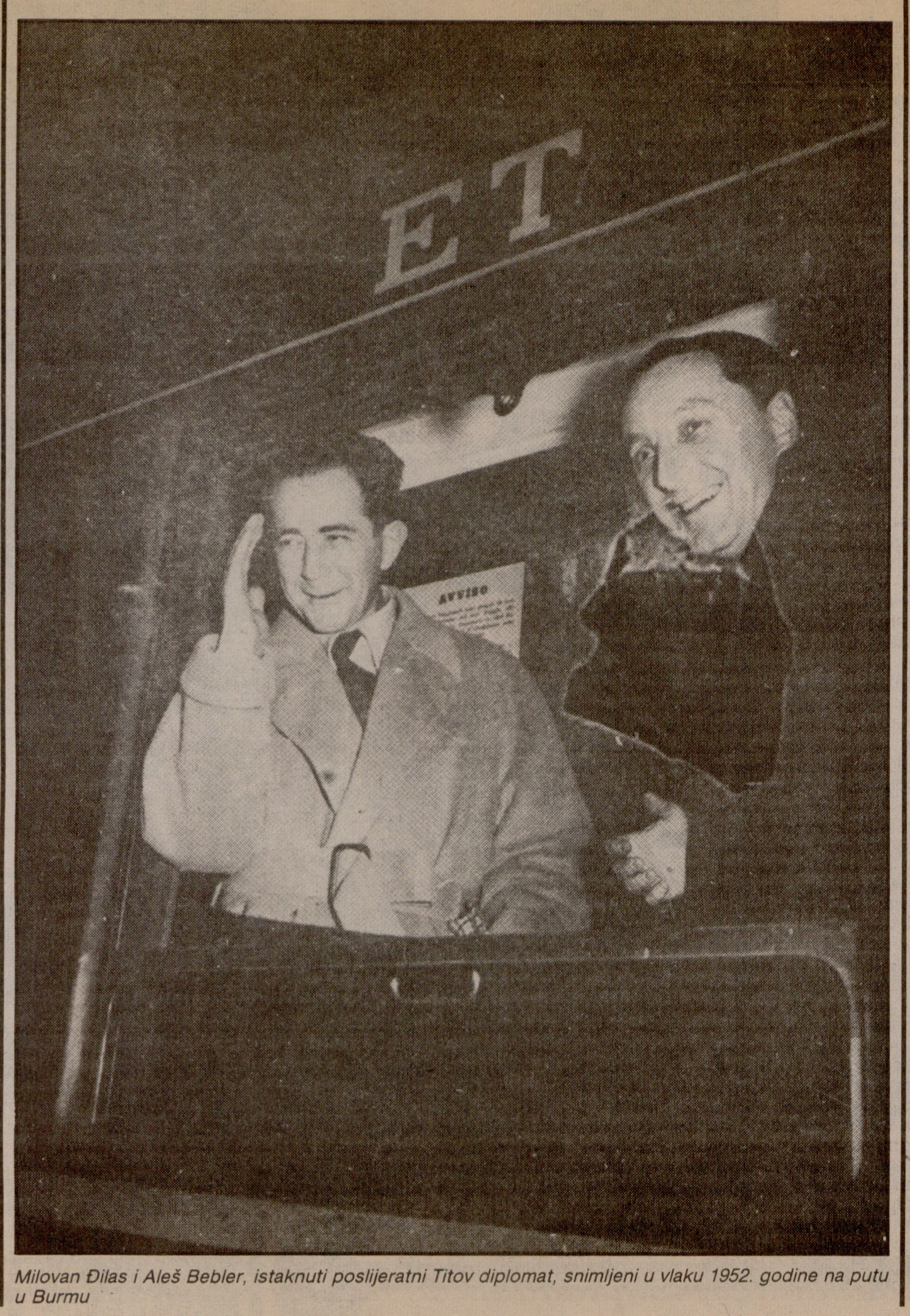
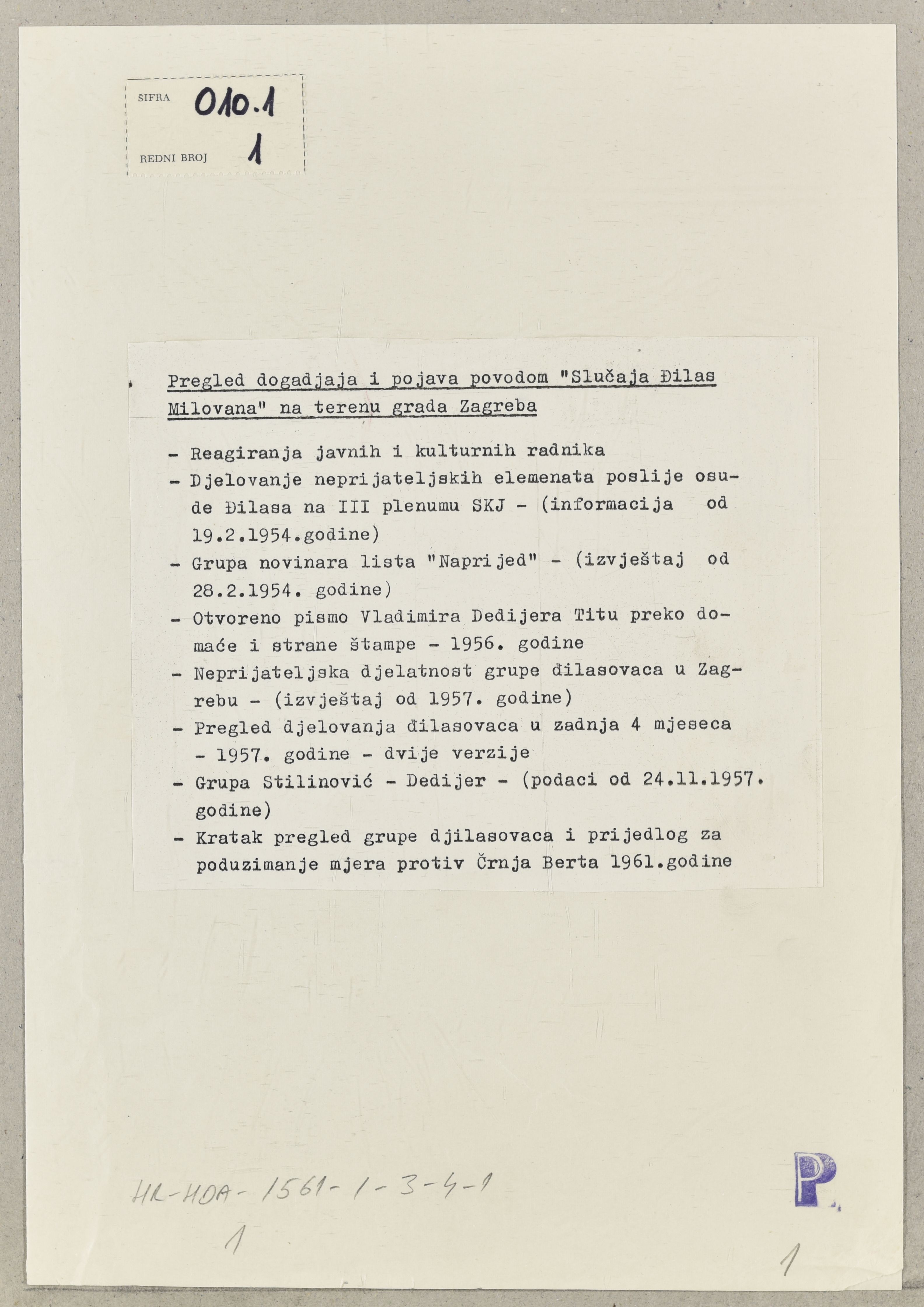
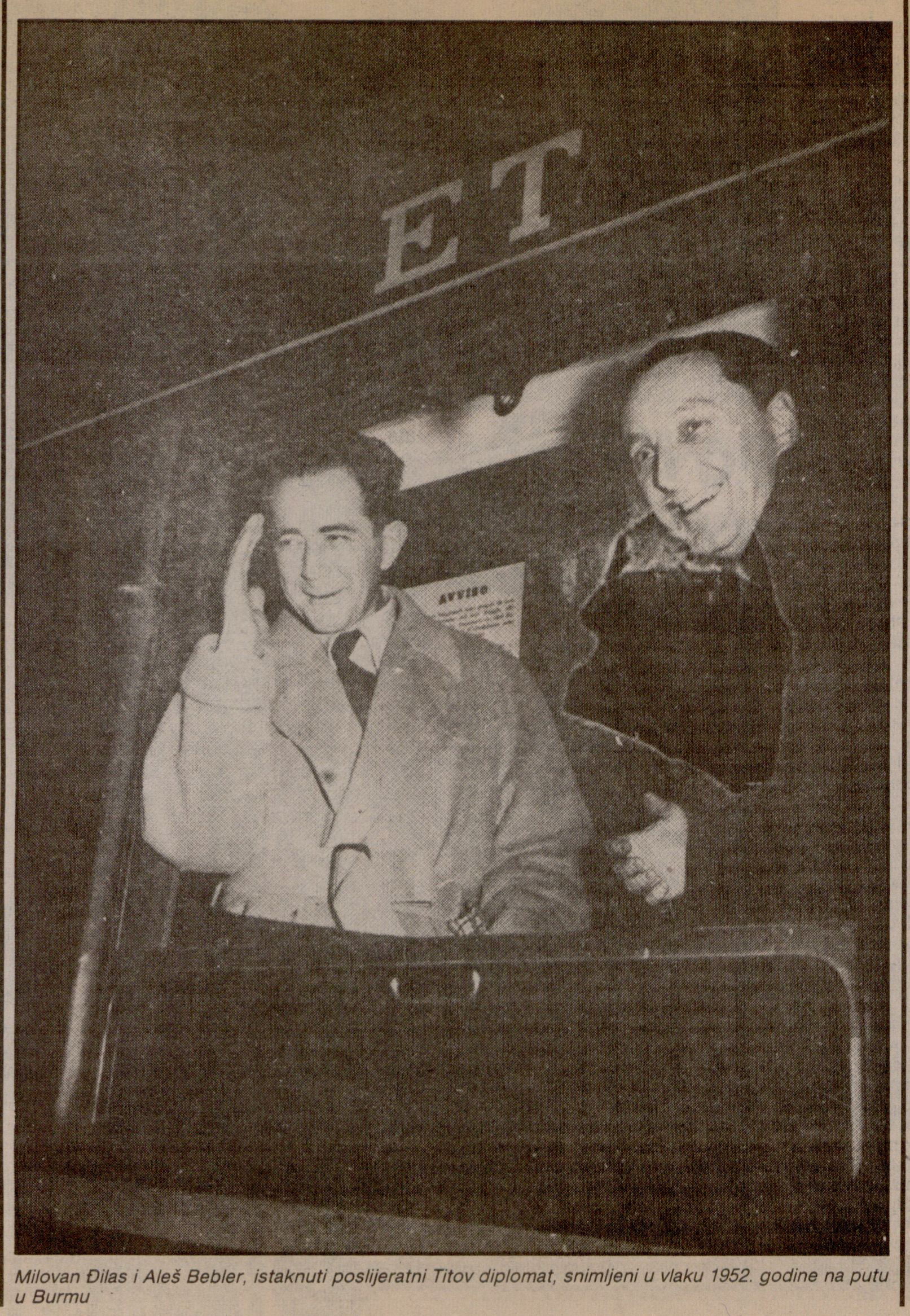 Collection on Djilas Supporters in Croatia
The collection includes Croatian State Security Service's file on the case of first and best known Yugoslav dissident, Milovan Djilas, and its reception in Croatia. During 1953, Djilas published a series of articles in the newspaper Borba on the need for democratization and liberalization of Yugoslav society, which led to his condemnation at Party forums and expulsion from the League of Communists of Yugoslavia. In Croatia, similar ideas were mainly manifested in the weekly Naprijed, the official newspaper of the Communist Party of Croatia. It led to open conflict with Party leaders and the suppression of the newspaper, while its journalists were forced to halt their careers in journalism. The collection includes different analysis and reports on operational measures conducted by the Croatian State Security Service against the Naprijed group and other Djilas supporters (Djilasovci) in Croatia until the beginning of 1960s.
 Doina Cornea Private Collection
The Doina Cornea Private Collection is an invaluable historical source for those researching the biography and especially the dissident activities of the person labelled by the Western mass media as the “emblematic figure” of the Romanian resistance to Ceauşescu’s dictatorship. This collection comprises manuscripts of her open letters of protest, her diary, samizdat translations, correspondence, drafts of her academic works, photos, paintings, video recordings, and her personal library. This private collection is by far one of the most significant and valuable collections reflecting the cultural opposition to the Romanian communist regime.
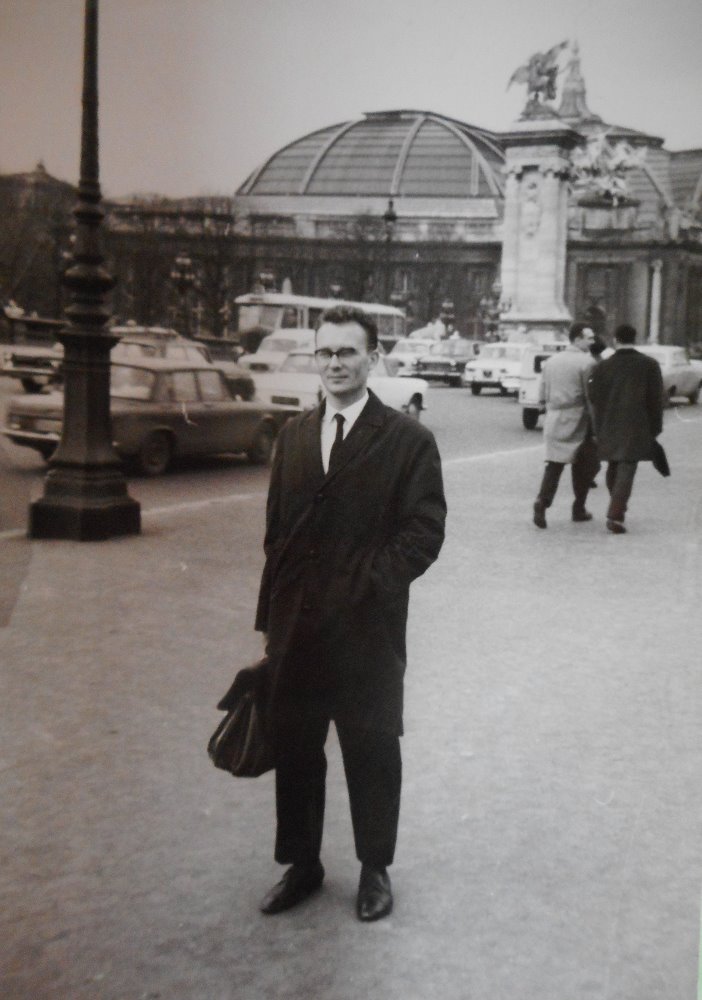 Milan Jelínek Collection at the Moravian Museum
The collection of Milan Jelínek documents in detail the Communist thinking of a formerly protected linguist, and the later, a critic to the regime, becoming a samizdat publisher and co-organiser of lectures at the underground university.
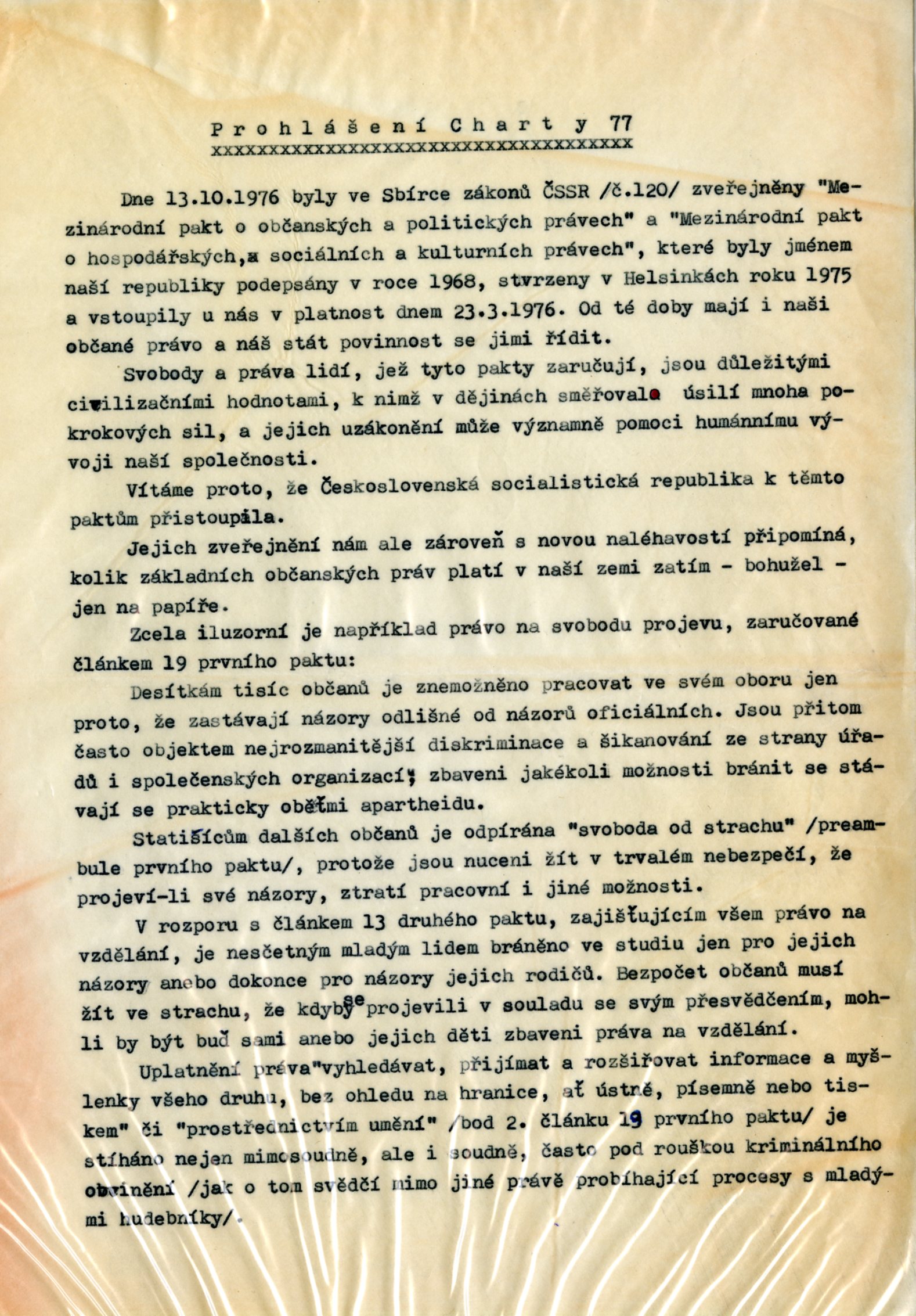 Charter 77 Collection of the Czechoslovak Documentation Centre
Charter 77 was an informal Czechoslovak citizens' initiative that criticised state power for the non-recognition of basic civil and human rights, following the movements of the CSSR and their signing of the Final Act at the Conference on Security and Cooperation in Europe on 1st August 1975 in Helsinki.
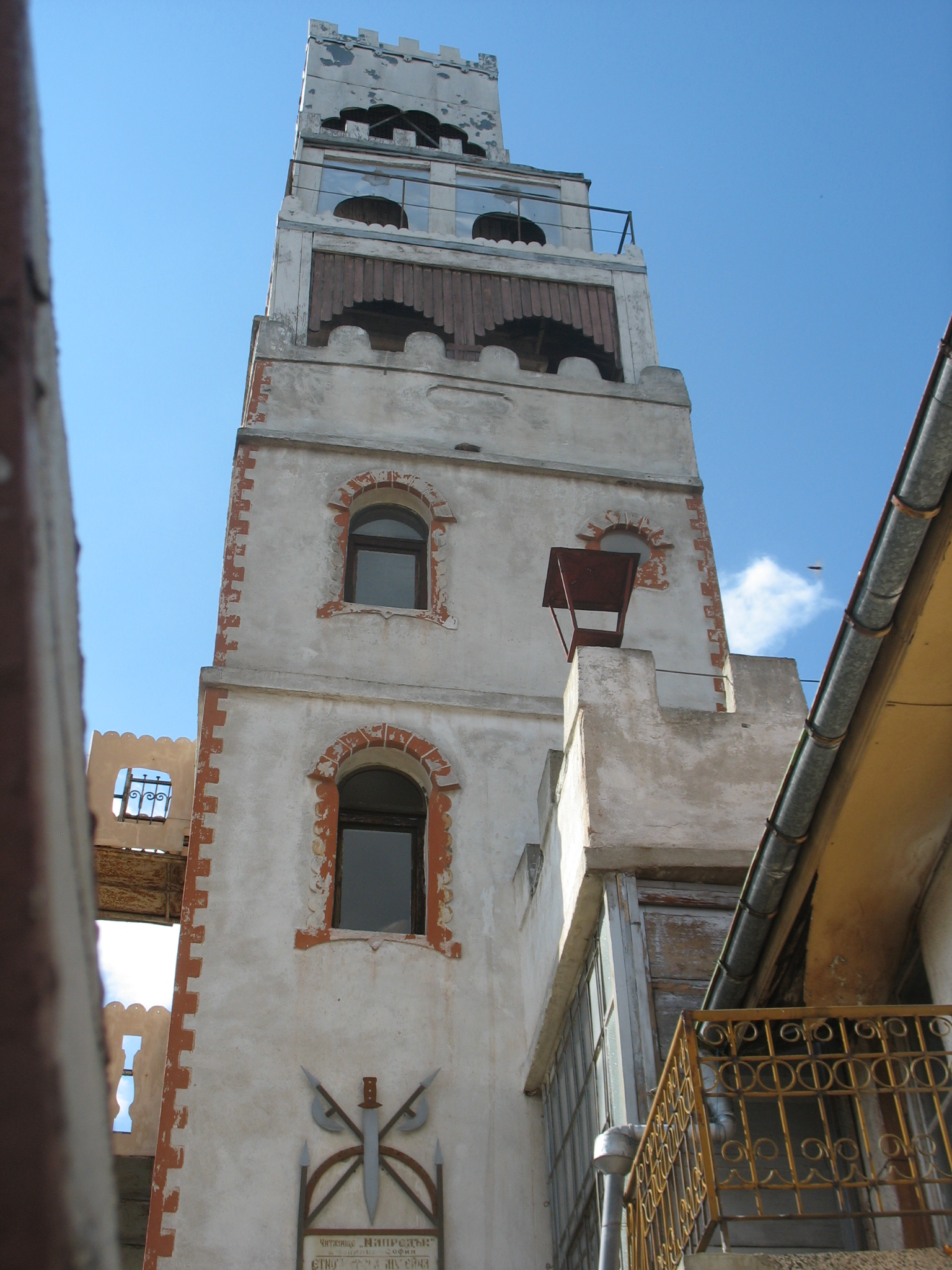
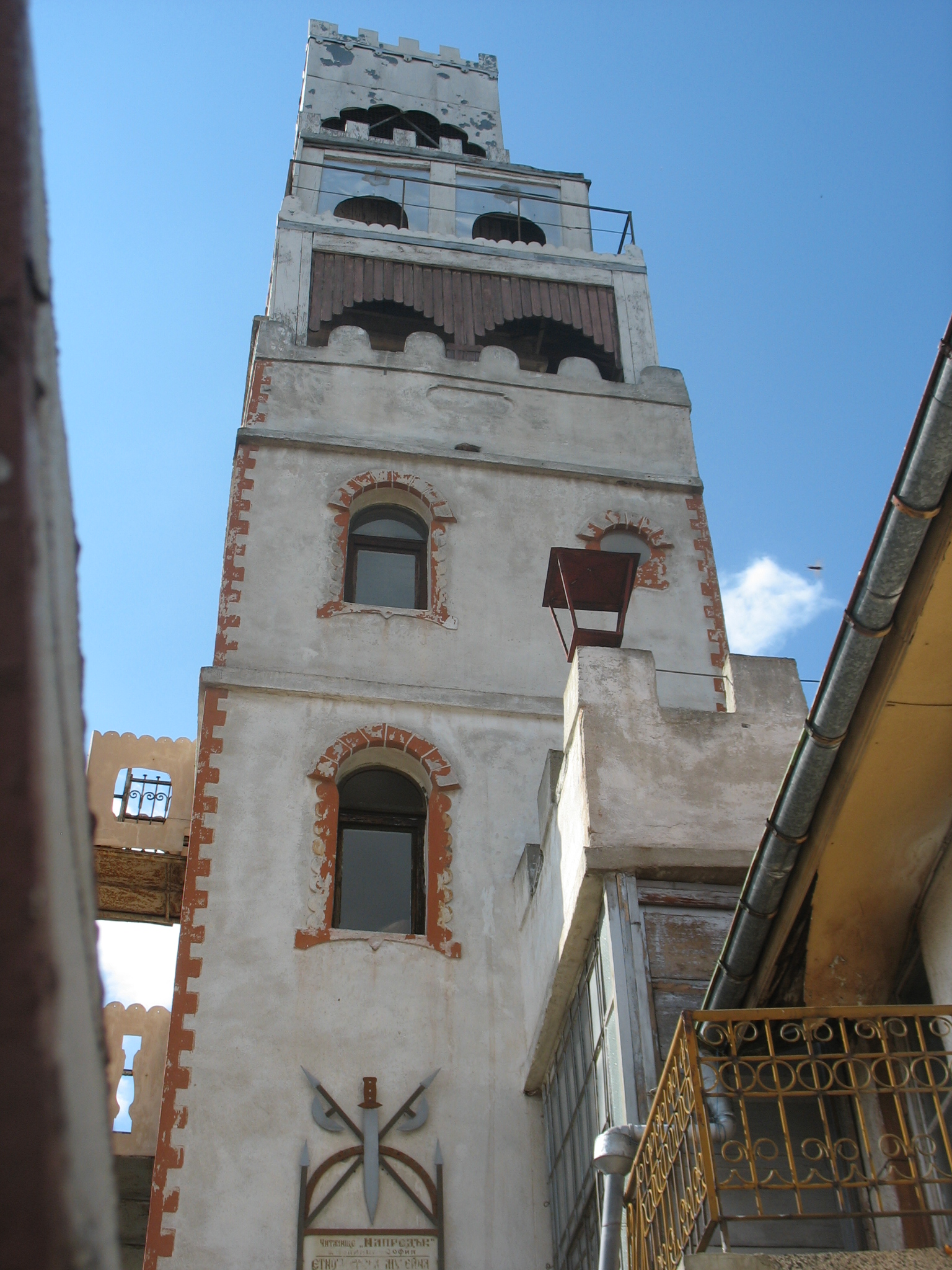
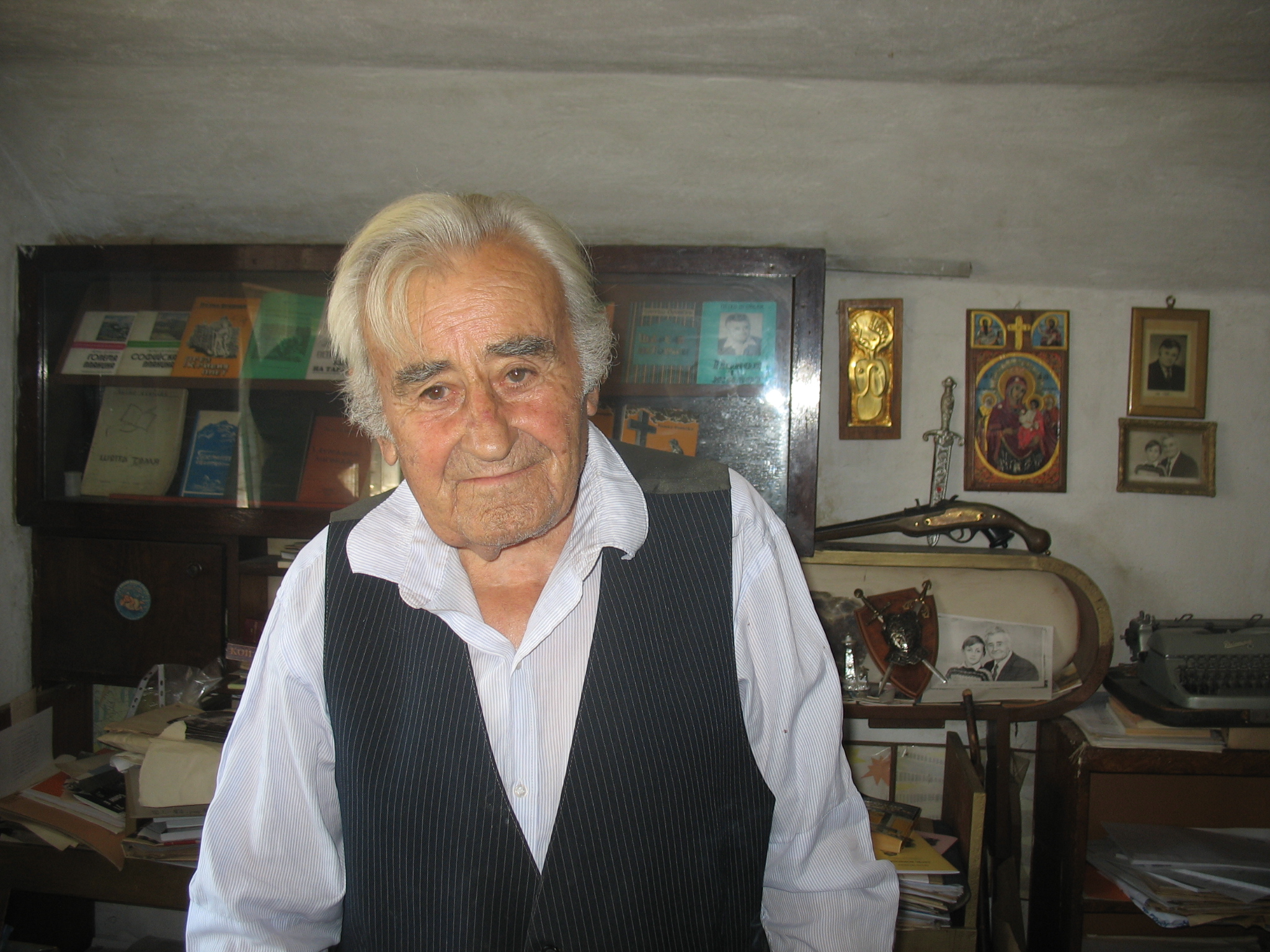 Tower Museum of Petko Ogoyski
Petko Ogoyski - one of the few living artists who survived socialist prisons and labor camps, was an important figure in the Bulgarian cultural opposition against the communist regime. As a member of the Bulgarian Agrarian People’s Union-Nikola Petkov (BZNS-Nikola Petkov) and poet/writer, Ogoyski was imprisoned twice (1950-1953 and 1962-1963) by the socialist state for writing “hostile” poems, texts and aphorisms and for “conspiracy”.
The Tower-Museum was established as a private initiative of the family Petko and Yagoda Ogoyski. The exhibition is partly a national and local ethnographic one, including household appliances, costumes, and weapons from the 19th and 20th centuries. At the same time, this was a way to circumvent the censorship of the communist regime. Among the ethnographic materials, Petko Ogoyski kept and preserved evidence from the periods of his imprisonment in six prisons and two forced labour camps; as also notes, books and poems written by him during and after the discharge from prison. The materials of the Tower Museum have been collected by Petko Ogoyski since his first imprisonment in 1950.
The collection of Petko Ogoyski documents the repressions of the socialist state over dissidents and is a valuable source of the forms of asserting political principles and moral positions by intellectuals.
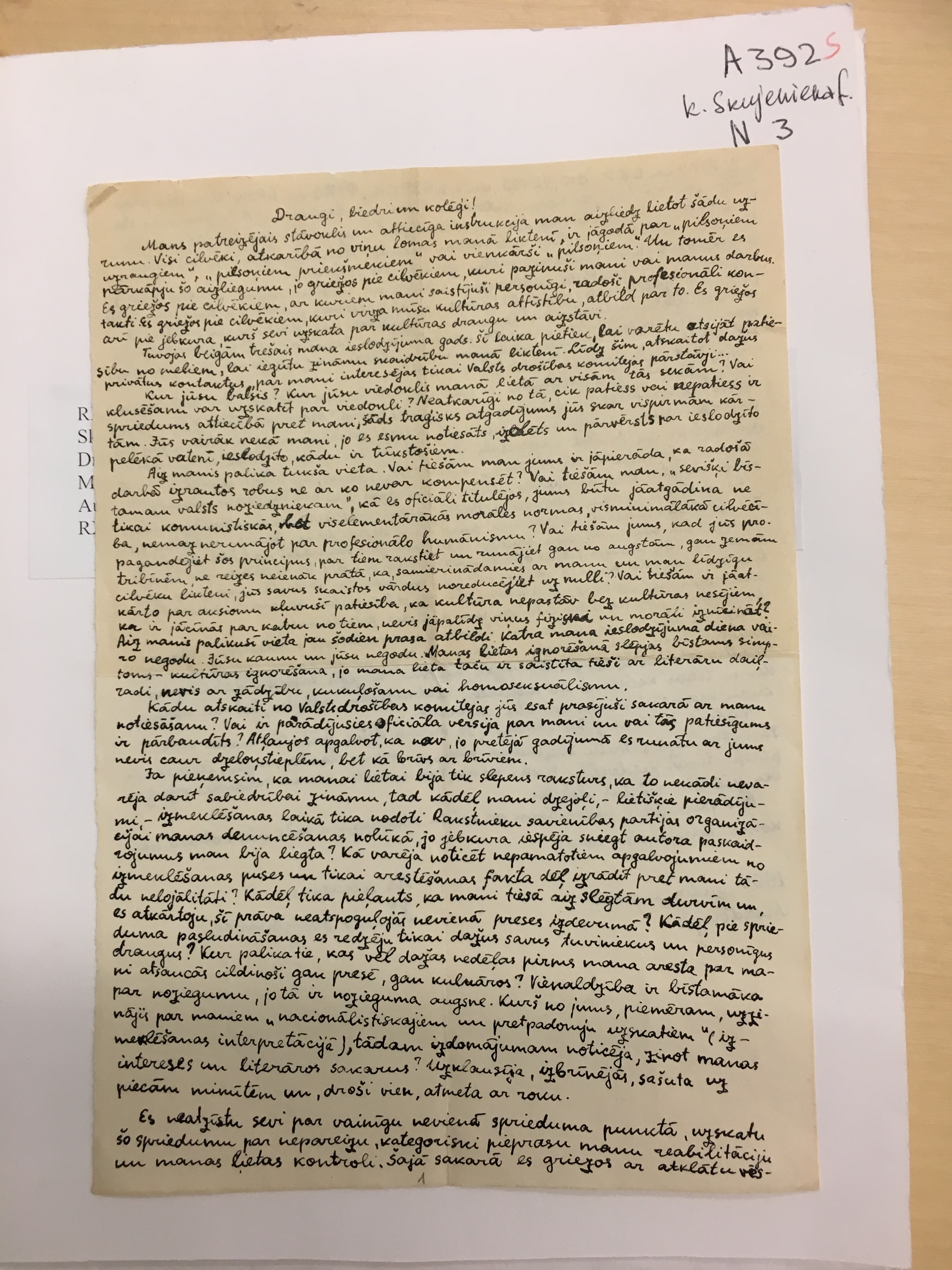 "Friends, comrades, and colleagues!" Open letter, written in January 1965 in Mordovia.
An open letter written in January 1965 by Knuts Skujenieks from the prison camp was addressed to his writer colleagues. He asked them not to keep silent about his fate, because ‘culture does not exist without its carriers, and it is important to fight for them, and not to contribute to their moral and physical annihilation.' The letter is a statement of Skujenieks' civic position, a protest against inertia and the fear in Latvian society. It was perhaps too bold for the political climate of Latvia, because it presented evidence that in prison Skujenieks became spiritually more liberated than his colleagues who enjoyed physical freedom, although it has to be admitted that the spirit of resistance of the younger generation of writers in Latvia in the 1960s was stronger than in the 1970s. Official discussions by the Writers' Union in 1965 and 1968 of the poetry he wrote in Mordovia testify to this.
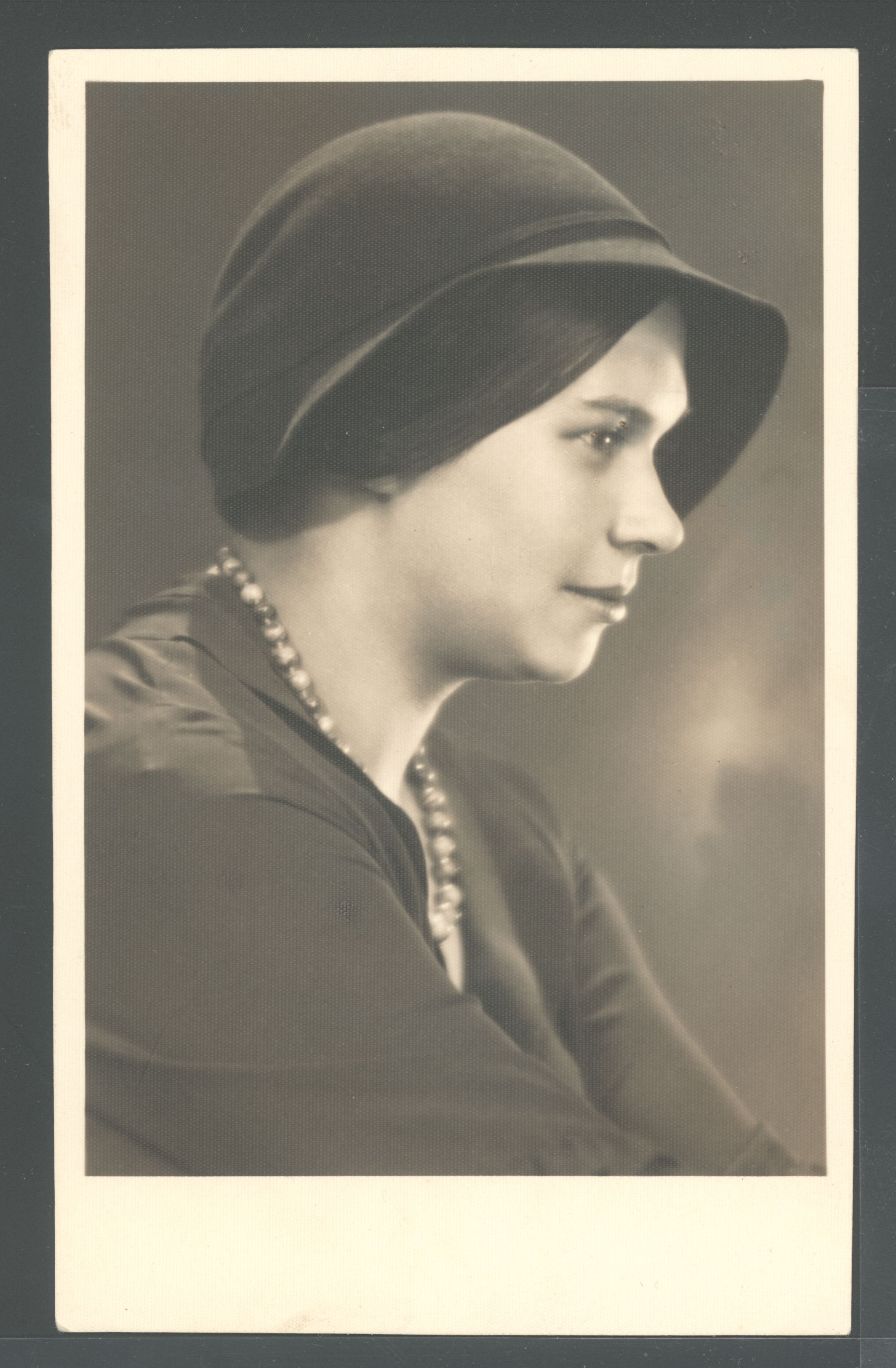 Mērija Grīnberga junior collection
The Mērija Grīnberga Jr (1909-1975) collection is a testimony to the rescue by museum employees of cultural values threatened by both the Second World War and by political change. It is also a testimony to the persecution and distrust of members of the 'old' Latvian intelligentsia in Soviet Latvia, despite their sometimes desperate attempts to accommodate the political demands of the regime.
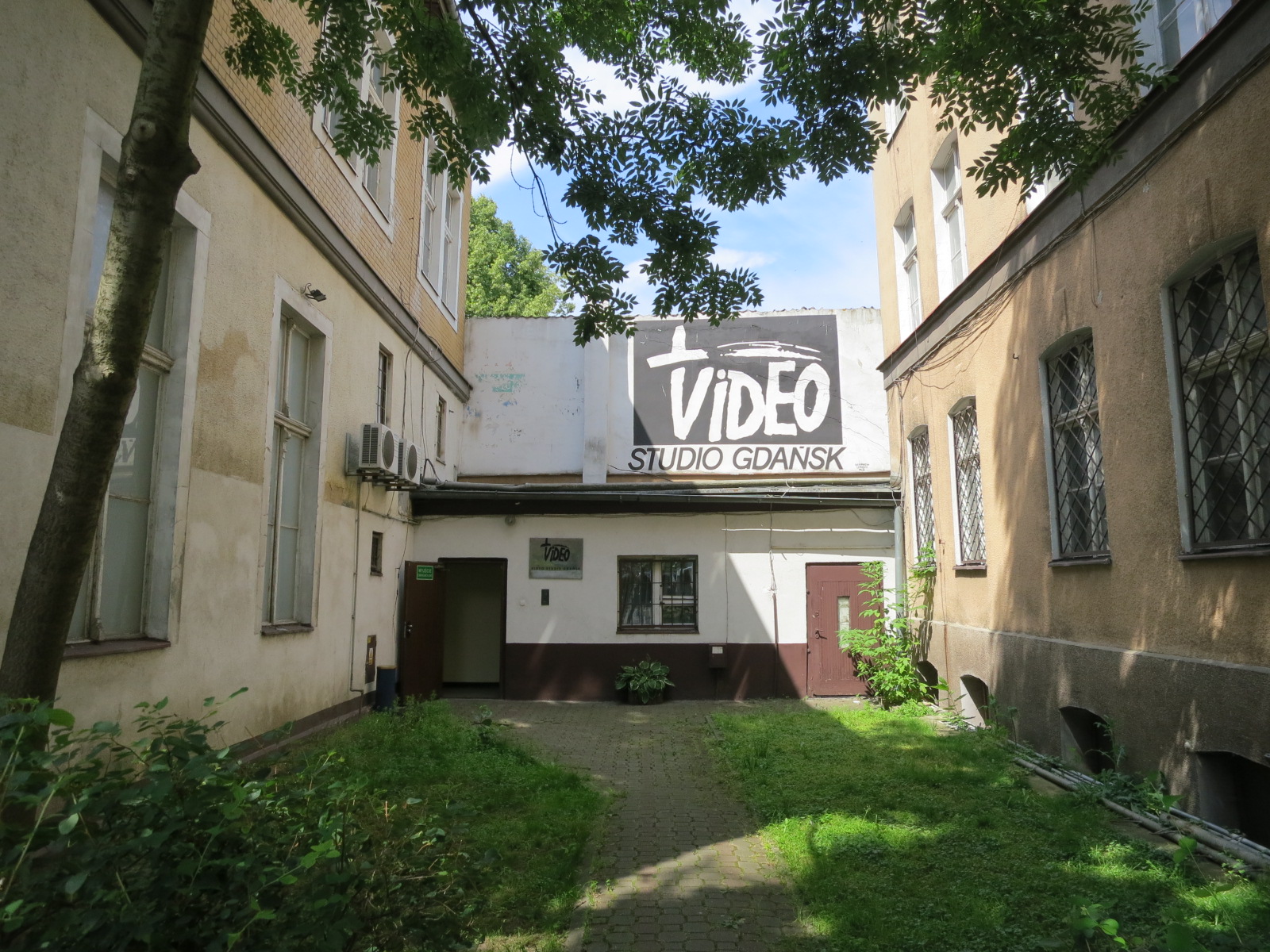 Film Archive of the Video Studio Gdansk
The beginnings of the Video Studio Gdansk are connected to the I National Congress of “Solidarity”, organised in Gdansk in 1981. At first, the independent “Solidarity” filmmakers documented the union’s most important events, however soon the first documentaries were produced. Video Studio Gdansk has been operating for almost 40 years, and its archive today consists of several thousands of video materials. It mostly comprises own videos, created by the Studio: raw footages (of the most important oppositional events, like strikes, clashes, protests), documentaries, reportages, few feature films, and numerous recordings of television theatre, public debates, cultural events, etc.
 Manuscript magazines at the Estonian Cultural History Archives
The collection of manuscript magazines at the Estonian Cultural History Archives reflects the samizdat activities of writers and other cultural figures during Soviet times. It was formed in the 1990s after several donations, mostly from Jaan Isotamm. Nevertheless, the ‘almanac movement’ had numerous authors, outsiders as well as those recognised by the authorities whose works are now available in this collection. The collection contains manuscript magazines, poetry written in refugee camps, and material about religious movements and groups dealing with esoteric issues, etc. It also includes underground almanacs from Soviet times. These handwritten journals were not censored, and contain literary essays and poems, as well as socio-critical writings.
 Tramps' written materials
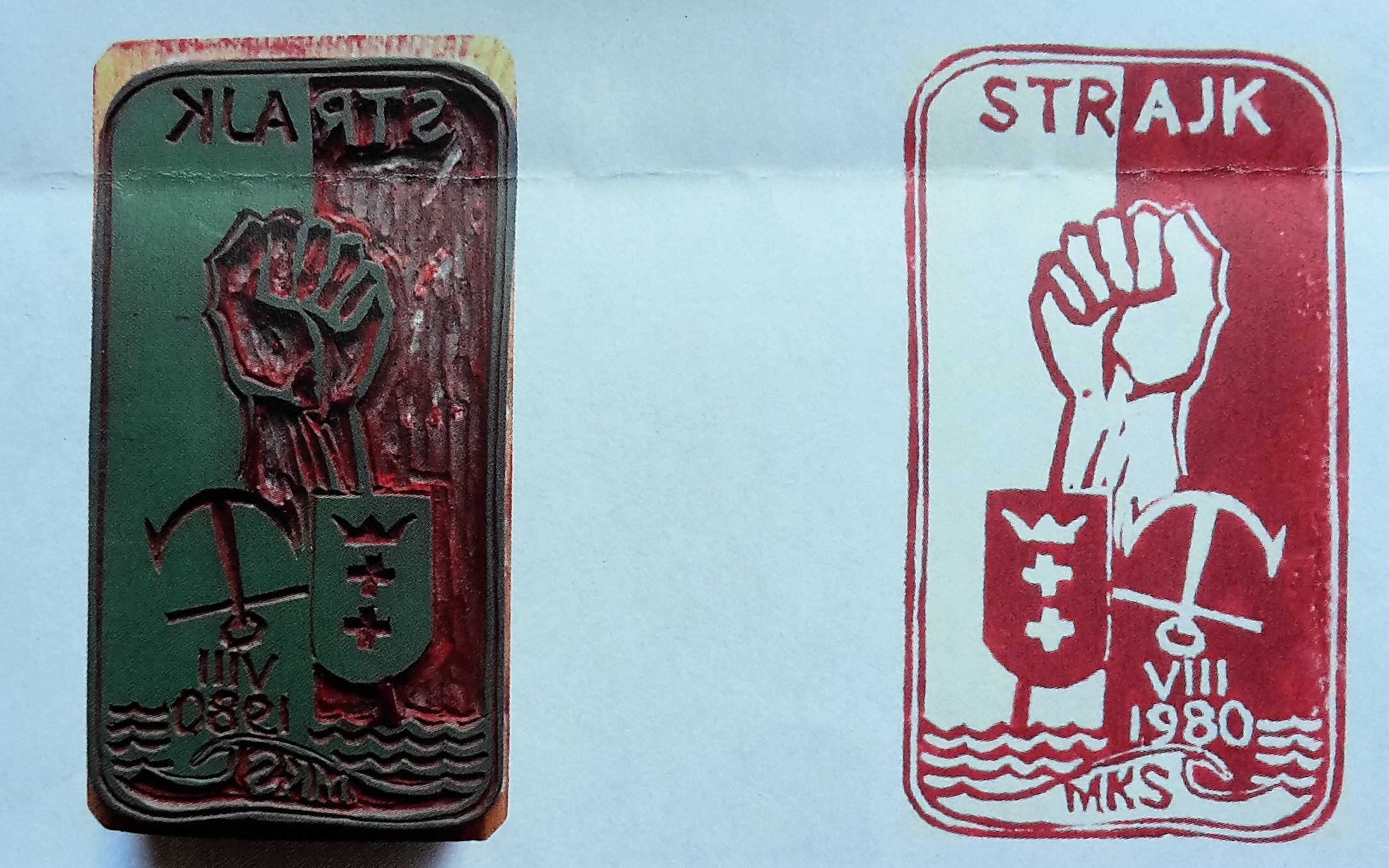
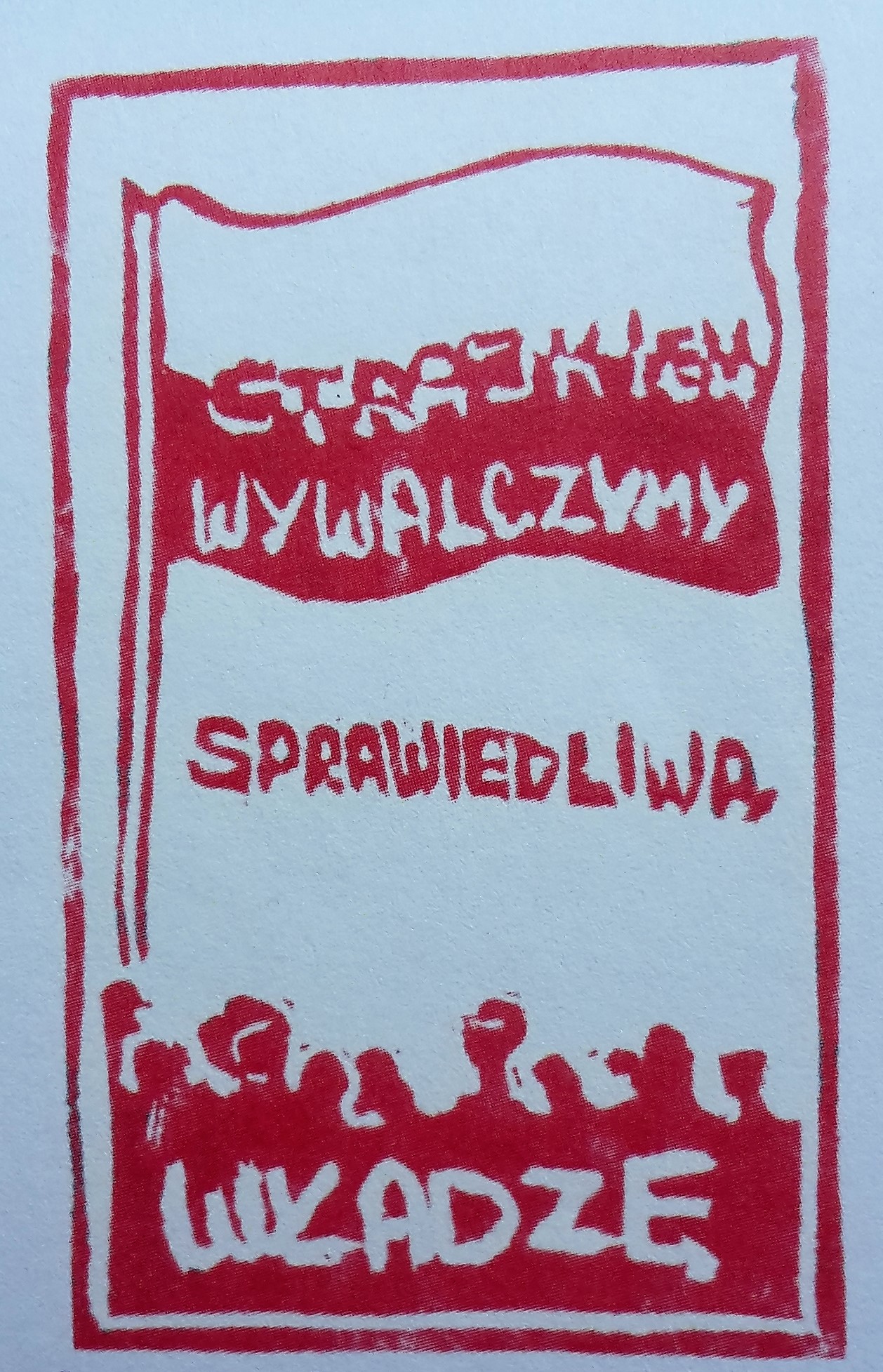 Józef and Dąbrówka Figiela's Stamps from the Gdansk Strikes of August 1980
The seals and stamps created by Józef Figiela are an interesting visual representation of the strikes in the Gdansk Shipyard of the August 1980. They are also a testimony of an incredible engagement and effort put in sharing the strike’s ideals by a person who used his artistic abilities for this purpose, as well as a talent and enthusiasm of his teenage daughter. Józef Figiela is both a sailor and an artist by profession, and he has alternately practiced both of them throughout the 1960s and 1970s. In August 1980 he had already been signed in for another cruise when the strike in the Gdansk Shipyard broke. His ship was stuck in the harbour and he used this opportunity to support the protesters. He became a member of the Inter-Factory Strike Committee as a delegate of the Association of the Polish Fine Artists of the Gdansk Region, and as a graphic artist he joined the fight for changes. On 20 August 1980 he created his first seal of the strike’s underground post. It shows a hand clenched into a fist (symbolising the fight), Gdansk’s coat of arms, and some nautical motifs (an anchor, sea waves), as well as a sign: “strike”. The original linocut is a part of the collection of Michał Guć, who is also in the possession of the authentic copies in the form of stamps on the envelopes.
The seals in the form of stamps were copied in the Polish national colours onto the envelopes and specially prepared postcards. During the strikes, Figiela prepared 4 linocuts, which as copies were disseminated among the strikers. Figiela’s seals stand out from other underground stamps with their precise execution and interesting graphic design. However, their content is quite typical for this type of philatelist: it refers to the Polish patriotic emblems, fight symbols, and the shipyard itself. There are also some religious (Catholic) motifs.
It is worth mentioning that with his activity Figiela inspired to action his daughter Dąbrówka, who as a just 15-year-old girl created her own seal, as well as she helped her father in creating copies. Every day Dąbrówka would cut out the postcards and glue on them the official state stamps, and in the evenings she would go to the post office, asking the workers to mark the papers with tomorrow’s date. Next, her father and her pressed their seals onto the envelopes, and the next day Figiela took them to the shipyard and shared them among the strikers. Thus, the materials have always had the current date.
The last seal Figiela created just before the end of the strike. It shows the Polish flag and a hand holding some flowers – it symbolised the peacefulness of the protests. The text says: “victory”.
Michał Guć estimates that altogether there were around 300-400 paper copies of Józef and Dąbrówka Figiela’s stamps disseminated in August 1980. It is a relatively small number which was caused by the fact that making copies was a very time-consuming activity and that only two people were involved in their production. Low number of existing stamps makes every original copy a valuable item.
Source:
Stocznia Gdańska im. Lenina, Michał Guć, Gdynia 2017 (unpublished text, shared by the author in July 2017).
 Stasi records
This collection contains the files of the State Security Service of the GDR that are preserved and administered by the Federal Commissioner for Records of the State Security Service of the former GDR (BstU). The surveillance records of the secret police represent a singular body of sources that offer unique glimpses into the cultural opposition to the GDR. The destruction of large numbers of these documents could only be averted in 1989/90 owing to the spirited actions of “Civil Committees”.
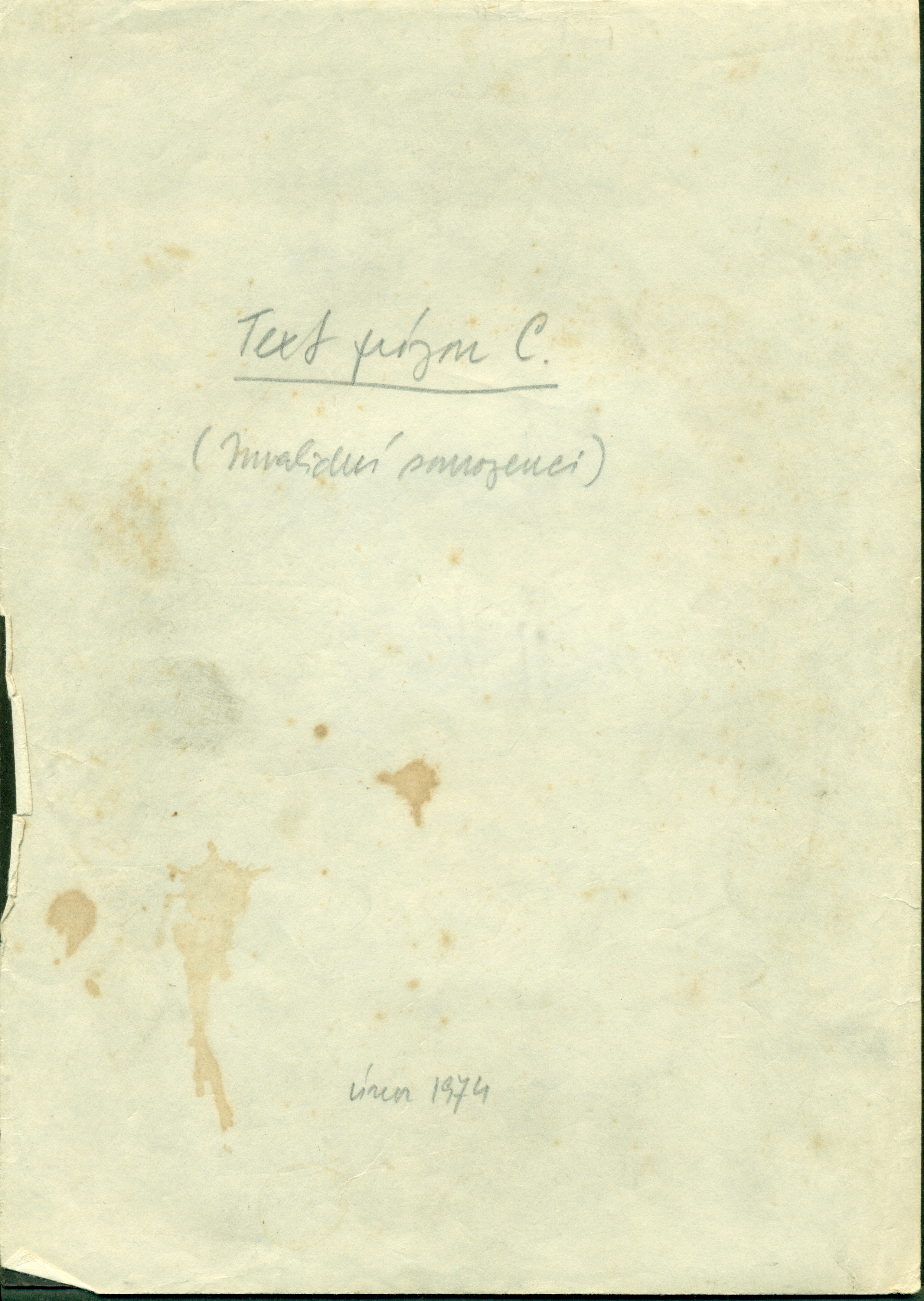
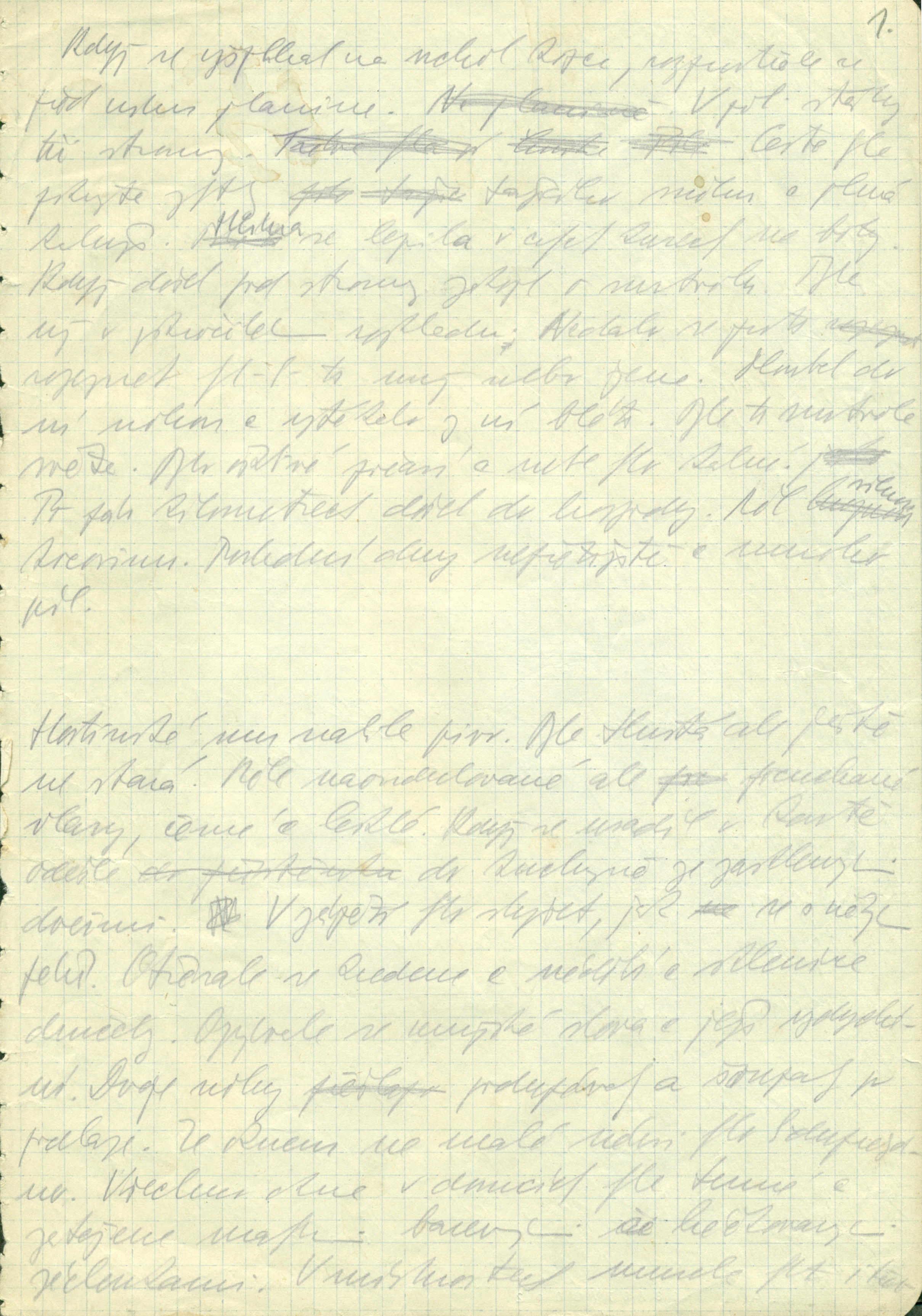 Bondy, Egon. The Invalid Siblings, 1974. Manuscript
The novel “The Invalid Siblings” (Invalidní sourozenci, 1974) is one of the most important works by the Czecho-Slovak poet, novelist, playwright, philosopher and “guru” of the Czechoslovak underground, Egon Bondy (real name Zbyněk Fišer, 1930–2007). Marcel Strýko, a Slovak philosopher and dissident, compared the dystopian novel to “a catechism of the Czechoslovak underground”. The novel, which was completed in February 1974, presents a vision of the moral and ecological crisis of a totalitarian society in the distant future. The plot takes place around the year 2600 on the last piece of land surrounded by rubbish. After this last area is also flooded, only the “invalids” (intellectuals, outcasts from totalitarian society, reminiscent of underground dissidents) survive on an improvised raft. The sequel to “The Invalid Siblings” was Bondy’s novel “Afghanistan”, written in 1980. At first “The Invalid Siblings” was published in 1974 as a samizdat volume. The novel was also published in exile by Sixty-Eight Publishers in Toronto in 1981. After 1990, the novel was published several times in (the former) Czechoslovakia. The novel has also been published abroad.
A manuscript of the novel was bought by the Museum of Czech Literature (PNP) in 1986 and is now part of the Egon Bondy collection deposited in the Literary Archive of PNP.
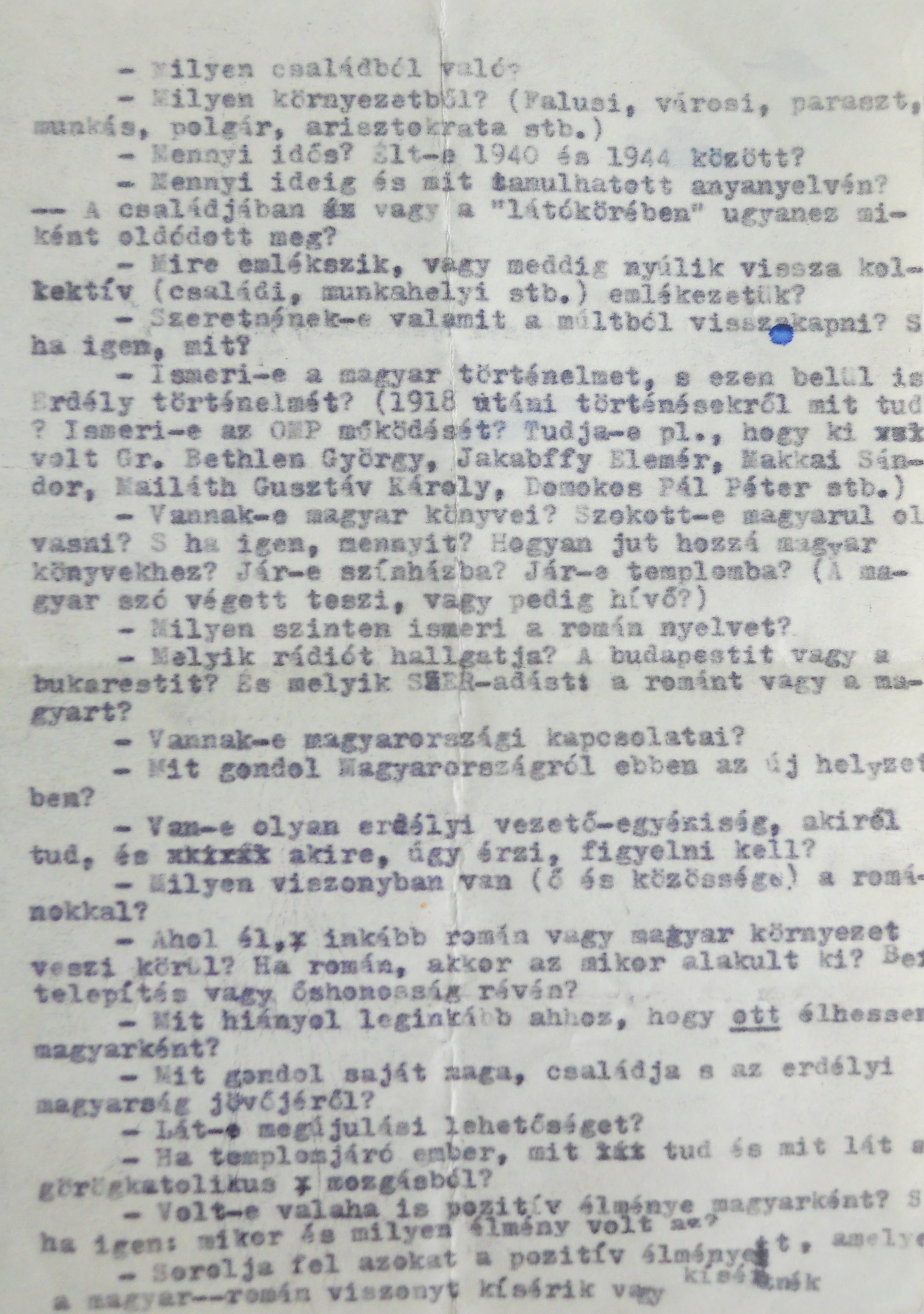 Unknown author. Questionnaire, in Hungarian, 1987–1989. Manuscript
Judging from the level of difficulty of the twenty-two questions contained in it, the target group of the document identified as a questionnaire included the most sophisticated members of the Hungarian elite in Romania, who did not necessary work in the cultural sphere, but who had presumably been selected as a result of previous inquiries. The questionnaire, made up of three major sets of questions, first assesses the social status, qualification level, and general culture of the subject, then examines the subject’s sense of identity, and finally investigates, also out of a need for identifying a solution, the nature of the connections and relationships between Romanians and Hungarians, as well as experiences regarding coexistence.
I. The first set of questions focuses on the subject’s social status. It begins by examining the social background of the subject – family, origin – and then inquires about his/her age to further turn to a direct reference to the “small Hungarian world” in Northwestern Transylvania during the Second World War (Sárándi and Tóth-Bartos, 2015), which suggests that the questionnaire focuses primarily on mature individuals holding well-defined views on the Transylvanian issue. Questions four and five address the length and possibilities of past education in the mother tongue in the family of the subject, respectively, in his/her “range of vision.”
The Questions:
1. What kind of family do you come from?
2. What type of social environment do you come from? (rural, urban, peasant, worker, bourgeois, aristocrat, etc.)
3. How old are you? Were you alive between 1940 and 1944?
4. How long and what were you able to study in your mother tongue?
5. What about your family and /or “range of vision”?
II. The second set of questions – questions 6 to 14 – is directed at the subject’s sense of identity. The assessment of collective memory is followed by a nostalgic question, which, beside the inventory of violations of human rights experienced in the present, makes the subject draw a comparison with the rights undoubtedly held in the past. The question about general knowledge of Hungarian history is followed more emphatically by that about self-declared knowledge of post-1918 Transylvanian history and of the public figures related to it. Then the author of the questionnaire moves on to the mapping of reading habits and needs in the mother tongue, of cultural life and religion. The question referring to the level of Romanian language skills is still relevant. As the knowledge of language represents a prerequisite for social integration, this also means that as long as the coexisting nations are unable to eliminate language barriers, their cultures cannot get closer to each other, cannot coexist in harmony. Radio listening habits provide answers regarding the need for information of Hungarians in Transylvania, but also about their possible resignation and indifference. The inquiry about connections in Hungary presupposes the existence of a current network of contacts in the “mother country,” including relatives, friends, and acquaintances. The thirteenth question, about the new situation in Hungary – which offers a clue about the date of the document – presumably hints at the changes that took place during the official mandate of the moderate reformer Károly Grósz, appointed president of the Council of Ministers in June 1987. On May 1988, the reform wing of the Hungarian Socialist Workers’ Party (MSZMP) obtained the long-awaited goal of removing the old and ill János Kádár from the party leadership and elected Grósz as his successor upon a programme of transition to a market economy and political decentralisation. However, it cannot be excluded that allusion was made to symbolic events of 1989 relating to the commemoration of the Revolution of 1956, such as the reburial of Imre Nagy and his comrades, or the radio speech by the senior party official Imre Pozsgay about the re-evaluation of this tragic event in Hungary’s recent past (Romsics 2013). The last question in this section, referring to a “prominent Transylvanian personality” takes into consideration the greater political events and perhaps it looks ahead in allowing for an unpredictable political turn in Romania.
The Questions:
6. What can you recall, or how far back does your collective (family, workplace, etc.) memory extend?
7. Would you like to regain anything from the past? If yes, what?
8. Are you familiar with Hungarian history, and with the history of Transylvania in particular? (What do you know about the events following 1918? Are you familiar with the operation of the Hungarian National Party [Bárdi 2014, Horváth 2007, György 2003]? Are you familiar with figures such as Ct. Bethlen György [1888–1968, president of the Hungarian National Party representing the Hungarian minority in Romania in the interwar period (ACNSAS, I185019)], Jakabffy Elemér [1881–1963, Hungarian, later Romanian Hungarian politician, lawyer, publicist (Balázs 2012, Csapody 2012)], Makkai Sándor [1890–1951, Transylvanian Hungarian writer, pedagogue, Reformed bishop (Veress 2003)], Mailáth [Majláth] Gusztáv Károly [1864-1940, Transylvanian Roman Catholic bishop, member of the nobility, honorary archbishop (Marton and Jakabffy 1999)], Domokos Pál Péter [1901-1992, teacher, historian, ethnographer, one of the pioneers of research into the Csangos (Jánosi 2017, Domokos 1988)] etc.?
9. Do you own Hungarian books? Do you read in Hungarian? If yes, how much? How do you gain access to Hungarian books? Do you go to the theatre? Are you a church-goer? (Is the use of the Hungarian language or the fact that you are a believer behind church attendance?) 10. How well do you speak the Romanian language?
11. Which radio station do you listen to? That of Budapest or that of Bucharest? And which Radio Free Europe broadcast do you listen to: the Romanian or the Hungarian one?
12. Do you have contacts in Hungary?
13. What do you think of Hungary in this new situation?
14. Is there a prominent Transylvanian personality you know about and consider worth paying attention to?
III. The third set of questions – questions 15 to 22 – analyses the relationship between Romanians and Hungarians. Thus, beside inquiring about the nature of relationships maintained by the subject and his/her environment with his/her ethnic Romanian fellow citizens, these questions focus also on the ethnic characteristics of the coexisting population, whether the demographic balance in a given settlement, which was centuries ago favourable to the Hungarian community, has been subject to modifications by the communist regime by attracting inhabitants from other regions populated mostly by Romanians. Having future coexistence in view, question 17 is aimed at learning the “lacking needs” of the subject, so it inquires about the required minimum conditions in terms of human rights that allow him/her to live as a Hungarian there, in that given place. Amidst the measures aimed at the assimilation of the Hungarian minority in Transylvania, such as the continuous diminishing of educational opportunities in the Hungarian language, the closing down of Transylvanian Hungarian theatres, the potential destruction of villages, the phenomenon of emigration, which affected the Romanian citizens too, in the context in which the nationalism of Ceaușescu’s regime was become more and more radical, when politics-fuelled intolerance towards ethnic otherness was a daily presence, the question about individual views regarding the future of the minority community might have seemed surreal. Thoughts referring to the renewal of the indigenous minority were closer to utopia as the flagrant violation of human and minority rights provided no realistic grounds for this. The last two questions of the questionnaire – questions 21 and 22 – about positive experiences as a Hungarian living in Romania, positive experiences concerning the Romanian–Hungarian relationship – illustrate, even in their choice of words – “have you ever,” “accompany or would accompany” – the perspicacity with which the author of the questionnaire acknowledges the situation of the Transylvanian Hungarian minority of the period preceding the change of regime.
The Questions:
15. What is the nature of your (your personal and your community) relationship with Romanians?
16. Are you surrounded mostly by Romanians or by Hungarians in your living environment? If you live predominantly surrounded by Romanians, when was this situation installed? Is it a result of incoming settlement or is it the indigenous population?
17. What is it that you lack most in living there as a Hungarian?
18. What is your opinion about your own future, the future of your family, and that of Transylvanian Hungarians?
19. Do you see any possibilities of renewal?
20. If you are a church-goer, what do you know and what can you witness from the Greek Catholic movement?
21. Have you ever had any positive experiences as a Hungarian? If yes: when and what kind of experience was it?
22. List the positive experiences that accompany or would accompany the relationship between Romanians and Hungarians?
There is no doubt that Gyimesi is the author of this document. In numerous places her works include analyses of the given situation and sense of identity of the Hungarian minority in Transylvania (Gyimesi 1993). Most probably the document escaped the attention of secret police officers conducting the home search on 20 June 1989 due to the absence of title and date. The physical existence of a questionnaire examining minority life in the darkest days of Romanian Communist dictatorship is startling in itself. Research conducted in the form of questionnaires presupposes the subject’s right to free opinion and is interpreted as an accessory of democratic systems. However, the existence of the document does not mean that the intended survey was actually conducted. For Gyimesi, who was the subject of informative surveillance, in a world abounding in collaborators with the secret police, this questionnaire must have meant a handhold which should have helped her in identifying persons with similar views on whom she could have counted in the struggle against the violation of human and minority rights. This may have served as a basis – as a possible interpretation – for her efforts to recruit reliable colleagues for the editing and distribution of the Cluj-based samizdat paper known as Kiáltó Szó, which she conceived in the fall of 1988 together with Sándor Balázs, a philosopher and university professor. Out of the nine edited issues of the samizdat – which was little known even by the Securitate – only two were published, though this had nothing to do with the editors: the publishing of further issues was rendered unnecessary under the circumstances following the fall of the Ceaușescu-dictatorship.
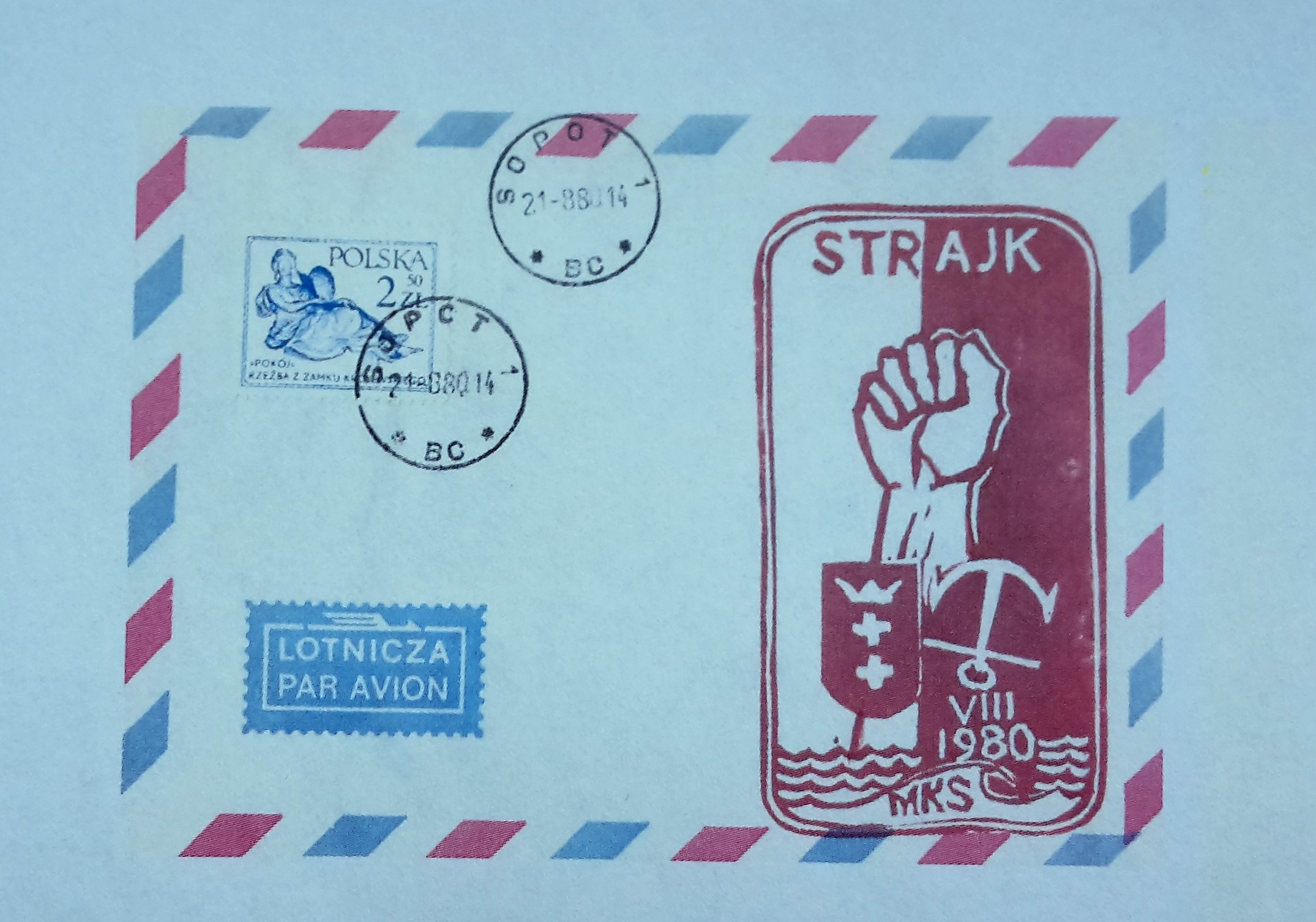 Underground Postage Stamps of Michał Guć
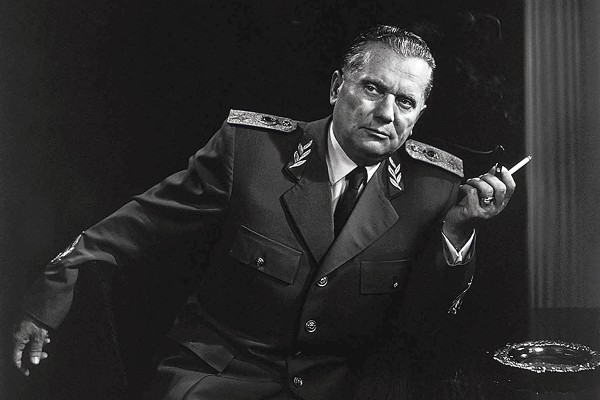 Former Tito Archive
The ‘Office of the President of the Republic’ collection was a constituent part of the former archive of J.B. Tito and today comprises a separate unit within the Archives of Yugoslavia. It contains materials that were created in connection with the activity of the president of Yugoslavia, Josip Broz Tito, who was at the helm of the state from 1945 to 1980. The collection is exceptionally rich in material relevant for the study of all aspects of Yugoslav history, and also contains documents relating to opposition activities during the time of his rule.
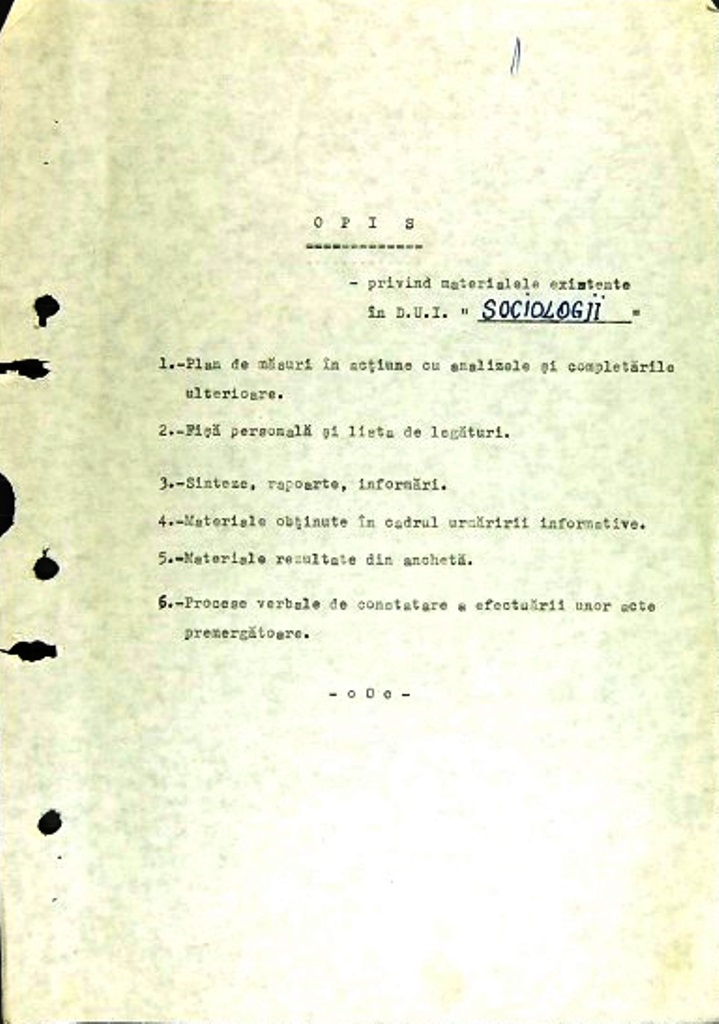
 Surveillance files of Sándor Balázs
Limes was a circle of Hungarian dissident intellectuals which operated more or less actively from 1985 until the 1989 Romanian revolution. The aim of the circle was to provide a pluralist platform of cooperation for Hungarian intellectuals, which meant holding monthly/bimonthly organized meetings and publishing a journal dealing with the history and actual situation of the Hungarian minority from Romania, as well as other outstanding research work pertaining to other domains. The circle was also devoted to maintaining high standards of scientific work in Romania. As there was no chance of getting anything past the censors in Romania, the plan was to smuggle manuscripts to Hungary and to publish the journal there.
The initiator was Gusztáv Molnár, who mostly due to his job as a literary editor at the Bucharest-based Kriterion publishing house had a large personal network among Transylvanian Hungarian critical intellectuals. The core of the group was represented by the following individuals: Vilmos Ágoston, Béla Bíró, Gáspár Bíró, Ernő Fábián, Károly Vekov, Levente Salat, Csaba Lőrincz, Ferenc Visky, András Visky, Péter Visky, Levente Horváth, Sándor Balázs, Sándor Szilágyi N., and Éva Cs. Gyímesi. Through the process of editing the journal, many more intellectuals became acquainted with the activity of the Limes group.
Between September 1985 and November 1986, six meetings were held in four different localities in Romania in the homes of members of the group. The meetings encompassed a presentation (usually of a manuscript) followed by a debate, and all proceedings were recorded. The series of meetings was interrupted by a search and seizure performed by the Securitate in Molnár’s apartment in Bucharest. All documents related to Limes were taken and later studied by the authorities. By this time, the plan to make four Limes issues had already been completed, and the manuscripts for the first two issues had already been collected. The contents included transcripts of the Limes debates and studies and documents covering topics such as “national minorities,” “nationalism,” “totalitarianism,” “autonomy,” and “Transylvanianism” as a guiding ideology for the Hungarian minority in Romania. The topics also included the situation of the Csángó Catholic (Hungarian-speaking) population in Romania.
The Limes group ceased its activity after the intervention of the Romanian secret police, and in 1987, summons and warnings were issued to the members of the group. Though no more meetings were organized, after a while, Limes members resumed work on the texts. Molnár moved to Hungary in 1988, but the editorial work was continued in Romania by Éva Cs. Gyímesi Éva and Péter Cseke in Cluj. The first issues of Limes was published by Molnár in Budapest in late 1989. The content does not coincide with the initial first volume of the Limes, but the issues did contain excerpts from the debates which were held at the first two meetings.
Invaluable insights into the details of the Limes story and other events in the lives of outstanding Hungarian intellectuals are provided by the Securitate files on professor of philosophy at the Babes Bolyai University Sándor Balázs (1928–), which are available for research in the Historical Collection of the Jakabffy Elemér Foundation. This is because the Limes activities in Cluj were recorded by the county agency of the Securitate as part of the information surveillance files on Sándor Balázs. His code name was “the Sociologist” (Sociologul), but the table of contents at the beginning of the dossier refers to “the Sociologists” (Sociologii), the code name used to denote the Limes group.
The dossier was opened at the beginning of 1987, and the version handed over by the CNSAS for research has three volumes which consist of some 800 folios. The files represent various types of documents: 1. strategic plans, analyses, and annexes to these plans; 2. characterizations and personal networks; 3. Syntheses, reports, and notes; 4. Information and materials obtained from surveillance; 5. Results of the monitoring activity; 6. Minutes. As noted already, the dossier contains copies of documents considered important originating from the surveillance files of other people involved in the Limes group: Éva Cs. Gyímesi (code name Elena), Péter Cseke, Gusztáv Molnár (Editorul), Lajos Kántor Lajos (Kardos), Ernő Gáll (Goga), Sándor Tóth (Toma), and Edgár Balogh (Bartha).
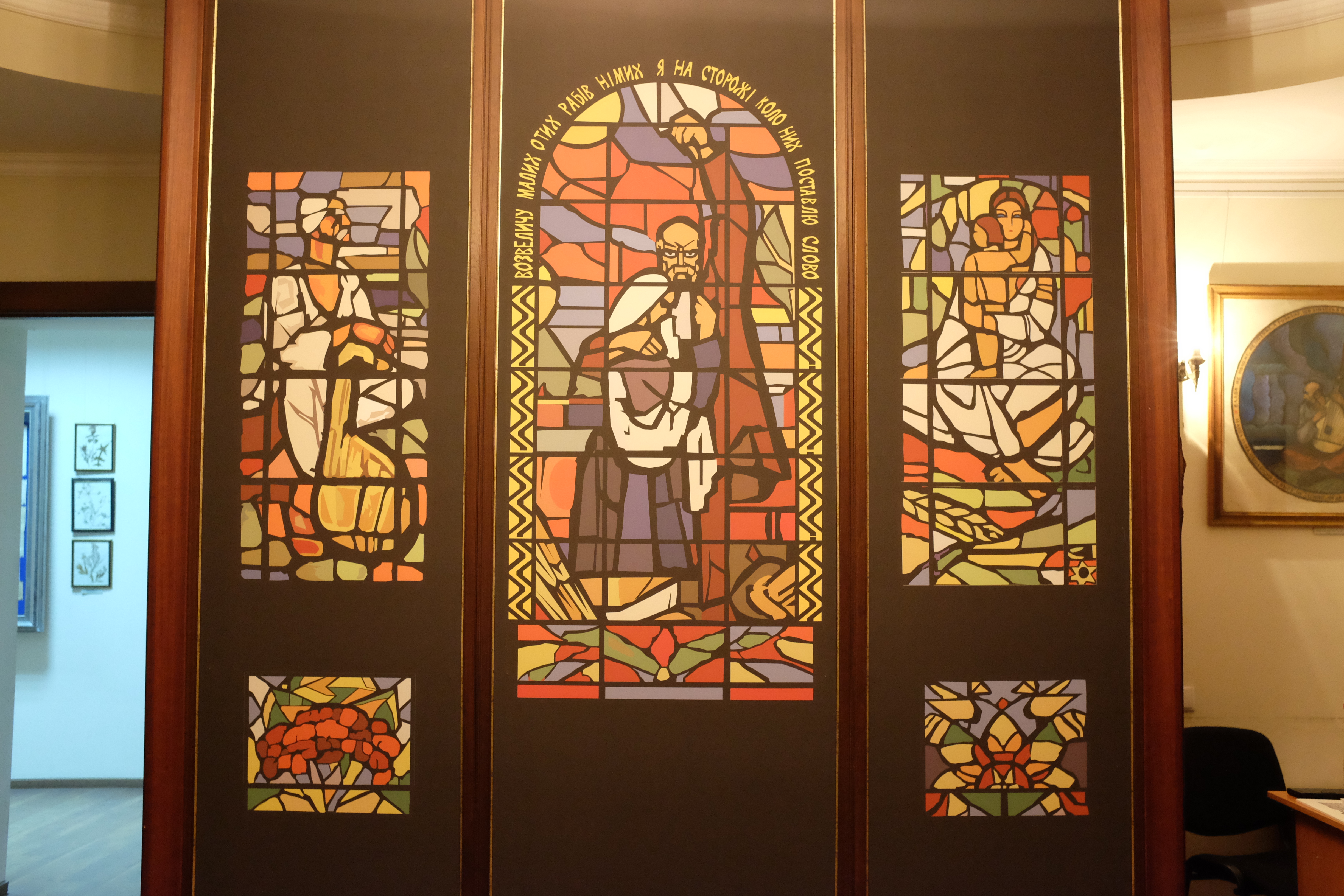 Sixtiers Museum Collection
The “Sixtiers Museum” Collection is located in a small museum in Kyiv, Ukraine in a building belonging to the Ukrainian political party Rukh. Nadia Svitlychna and Mykola Plakhotniuk founded this museum as way of honouring and documenting the struggles of a cohort of Soviet Ukrainian dissidents during the 1960s-1980s. Included in the permanent exhibition are paintings, graphics, sculptures, embroidery and other artworks produced by artists affiliated with the sixtiers movement. The museum also displays the poems, letters and literary works of the writers in their midst, as well as their typewriters, handcrafted items made while in the GULag, or clothes worn while living in exile, like Svitlychna’s own camp uniform. Also figuring prominently are posters for events and exhibitions organized by this group. The guided tour is a moving, concise rendition of their struggle, aimed at the museum’s target audiences, young students, scholars, and the general public.
These materials depict the lives of a dynamic group of Soviet Ukrainians engaged in a principled creative and ideological struggle with the Soviet regime in the 1960s and 1970s. They were poets, artists, graphic designers, historians, doctors, and even a Soviet army official, all of whom became deeply involved in human rights activism under late socialism. Many were members of large Soviet institutions—like the Ukrainian writers and artist unions, the Literary Institute in Kyiv, the Soviet armed forces. The Soviet government’s ideological retrenchment after Khrushchev transformed these dissidents, who had worked hard to try and reform the system and make it more humane, into individuals in open conflict with the authorities.
 Jiří Ruml Collection
The collection of the significant Czech journalist, dissident, signatory to Charter 77 and politician, Jiří Ruml, contains both published and as yet unpublished texts from 1967 to 1989, correspondence, Czech and foreign samizdat and exile publications. There are also writings by his friends, many of whom were also important signatories of Charter 77.
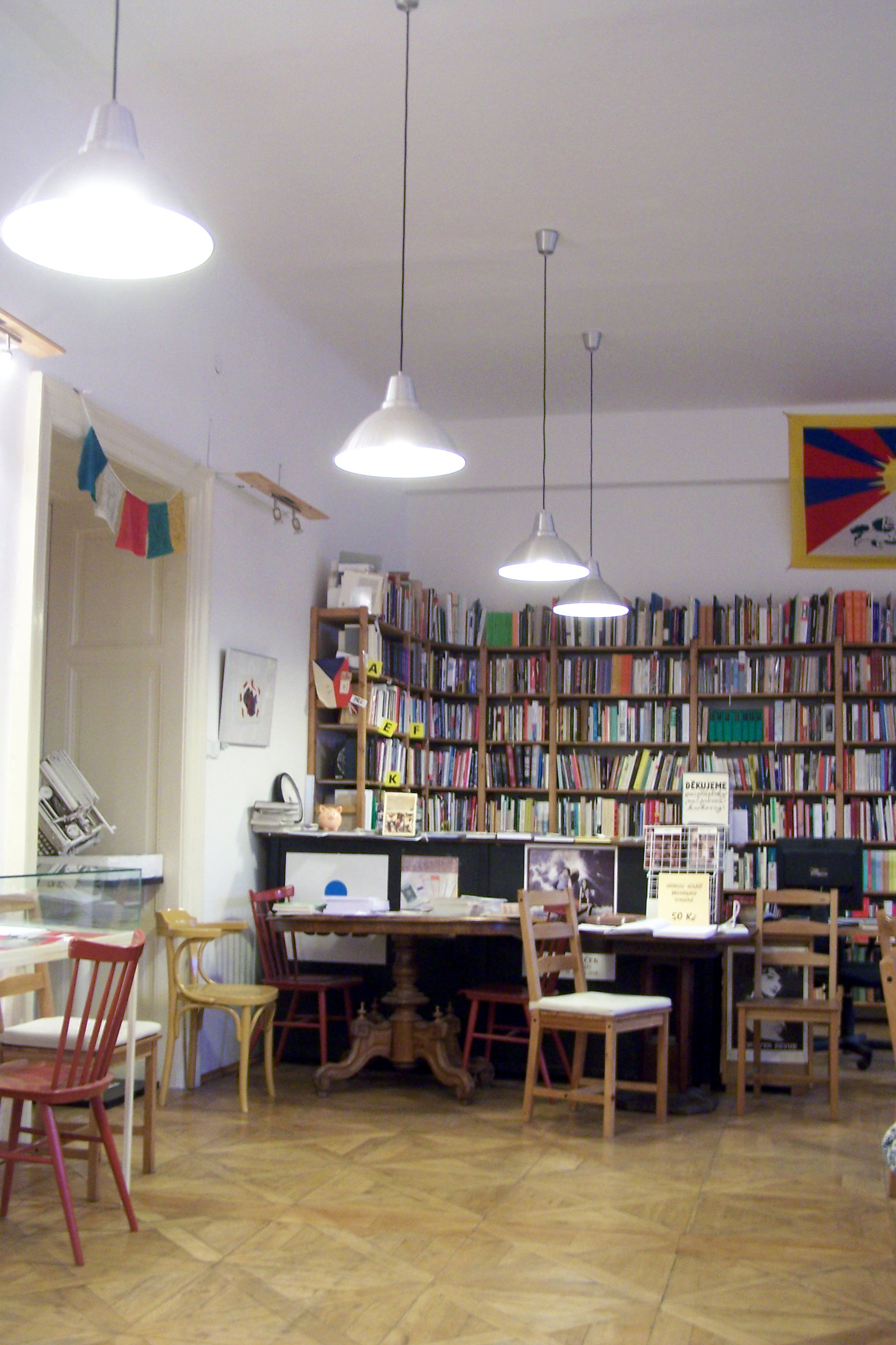 Foreign Samizdat Collection at Libri Prohibiti
The Libri Prohibiti’s collection of foreign samizdat monographs and periodicals contains mainly Slovak and Polish samizdat literature. Russian samizdat and periodicals from the former German Democratic Republic are marginally represented.
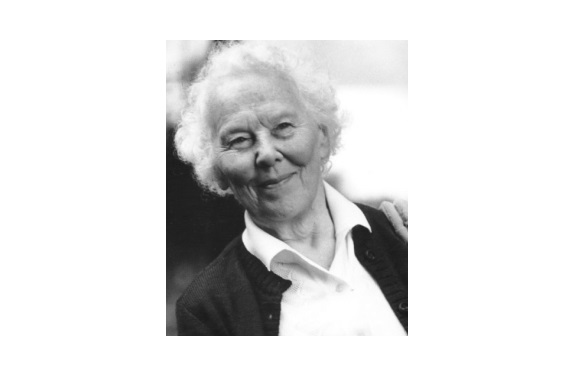 Meilutė Lukšienė collection
The collection is about the life, work and activities of the famous Lithuanian humanist Meilutė Lukšienė. Although she is well known in Lithuania as the initiator and creator of the concept of the Lithuanian National School, and as an active member of Sąjūdis (the national movement) in the late 1980s, Lukšienė was also involved in cultural opposition during Soviet times. She was a key figure who promoted lithuanianisation at Vilnius University as early as the 1950s. Accused of 'bourgeois nationalism', she was dismissed from the post of head of the Department of Lithuanian Literature in 1958.
 Interviews about Jewish identity in the 1980s
Ferenc Erős’s interview collection includes in-depth interviews with second-generation Holocaust survivors. This project was one of the first which seeks to revive suppressed memories of the Holocaust and the effects of the psychological strategies used to grapple with these memories and the ways in which trauma are transmitted within families.
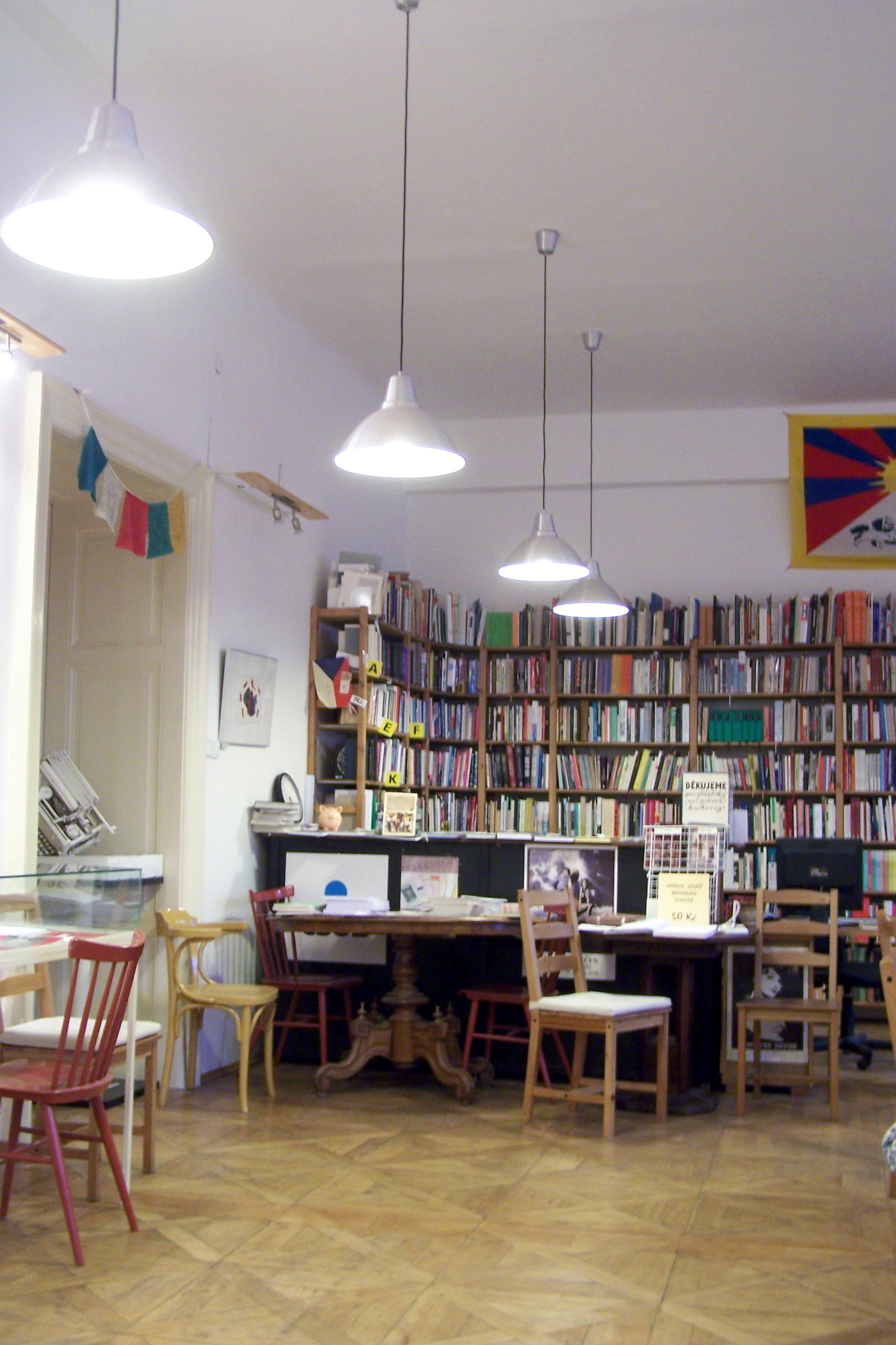 Polish Underground Library at Libri Prohibiti
The Polish Underground Library was set up in 2009 in collaboration with the The Karta Center Foundation in Warsaw. It is comprised of Polish underground and exile publications, Polish flyers, posters, sound and visual recordings that are part of the Libri Prohibiti’s collections.
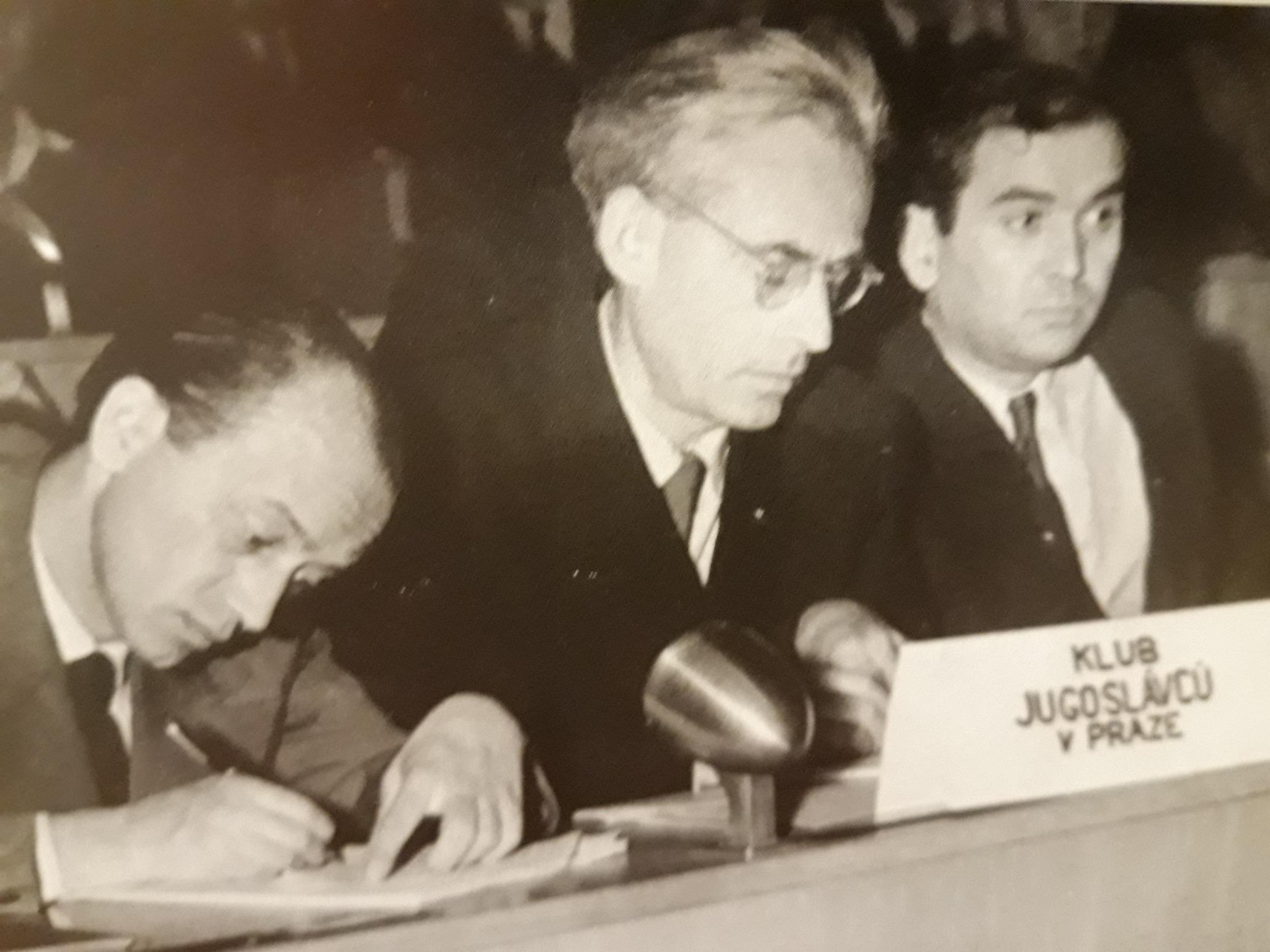 Yugoslav Cominformists in Prague
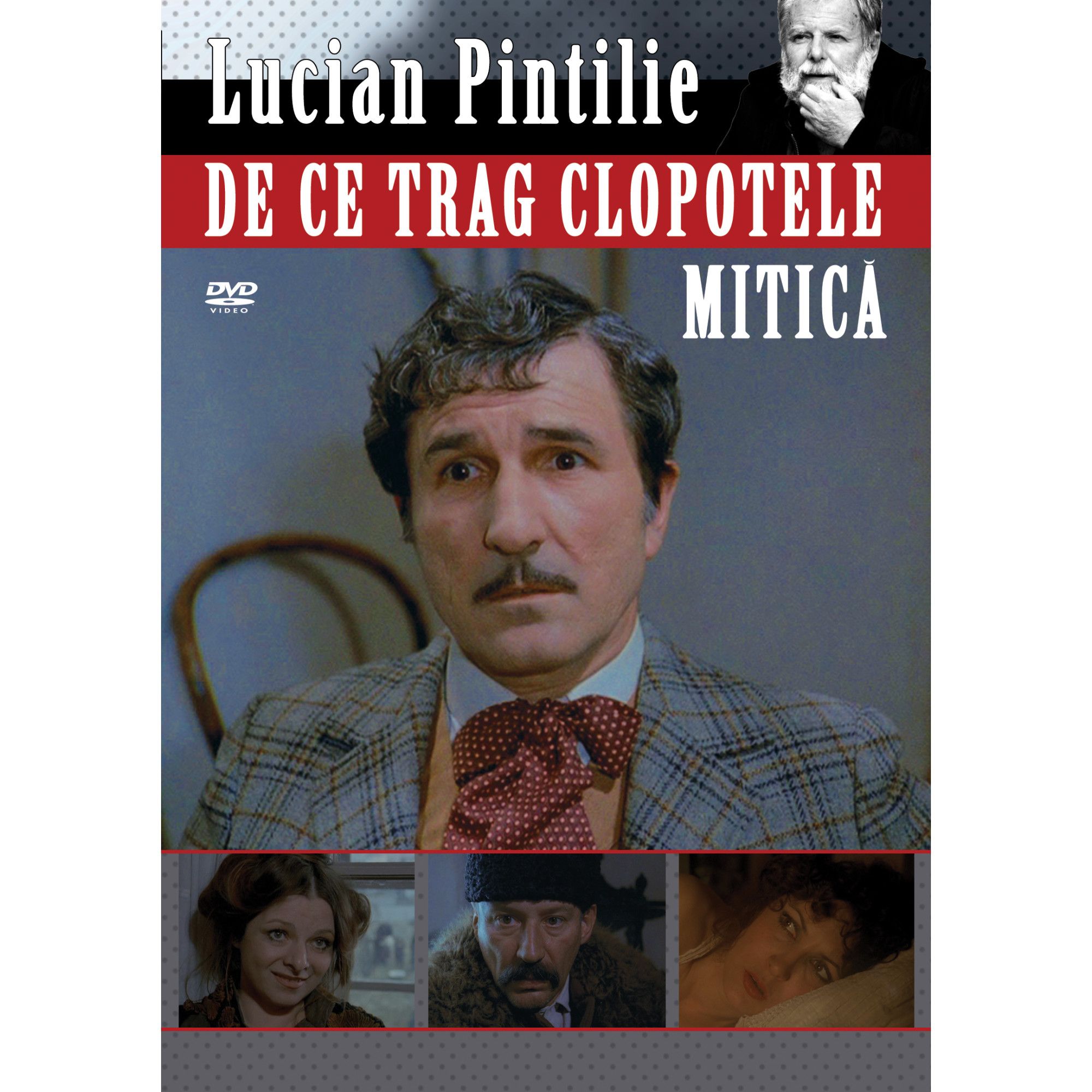 Concerning the censorship of Lucian Pintilie’s film De ce trag clopotele, Mitică? (Why are the bells ringing, Mitică?), November 1981. Report
 Calciu-Dumitreasa, Gheorghe. Seven Words to the Young Generation, in Romanian, 1978. Manuscript
This eighty-eight-page manuscript contains the texts of eight sermons and seems to have been prepared to be sent abroad for publication. The author was a priest and professor at the Theological Institute in Bucharest, and was imprisoned between 1948 and 1964. While in the notorious prison of Pitești, he was forced to take part in the infamous re-education experiment in that prison, which turned a part of the prisoners into the torturers of the others. Tormented by such a terrible sin, Calciu-Dumitreasa tried, according to his own confession, to write about this prison experience in order to come to terms with it. However, he changed his priorities when, in the aftermath of the earthquake of 1977, the demolition of churches in Bucharest began while the hierarchy of the Romanian Orthodox Church kept quiet. It was then that Calciu-Dumitreasa conceived this series of non-conformist sermons, in which he argued against atheist education and reminded his students of fundamental Christian values, of their mission as priests who must build, and not destroy, churches in order to take care of their parish communities. Seven of the sermons were delivered by the author in the Radu Vodă Church in Bucharest between 8 March and 19 April 1978. Particularly important is the sermon of 15 March 1978, in which Calciu-Dumitreasa explicitly condemned the demolition of the Enei Church, the first church demolished in Bucharest. The sixth sermon, of 12 April 1978, was no longer delivered in the church but in front of it, for the authorities had closed the church and locked the students in their dormitories in order to impede them from attending what had turned in the meantime into an increasingly popular event. The eighth sermon was supposed to open a new cycle entitled “Christianity and Culture” on 17 May 1978, but it was never delivered due to the author’s removal from his teaching position. Continuously harassed by the secret police, in 1979 Calciu-Dumitreasa endorsed the establishment of the Free Trade Union of the Working People of Romania, which caused his arrest and imprisonment for another five years. He was released only in 1985, after intense international lobbying, especially by the United States administration, which threatened the Romanian communist regime with the withdrawal of Most Favoured Nation status. A year later, he went into exile in the United States, where he remained until his death. This manuscript was probably confiscated on the occasion of his arrest in 1979. This version of the sermons differs slightly from the post-communist published volume because it mentions the persons who were responsible for the interruption of his cycle of sermons in 1978.
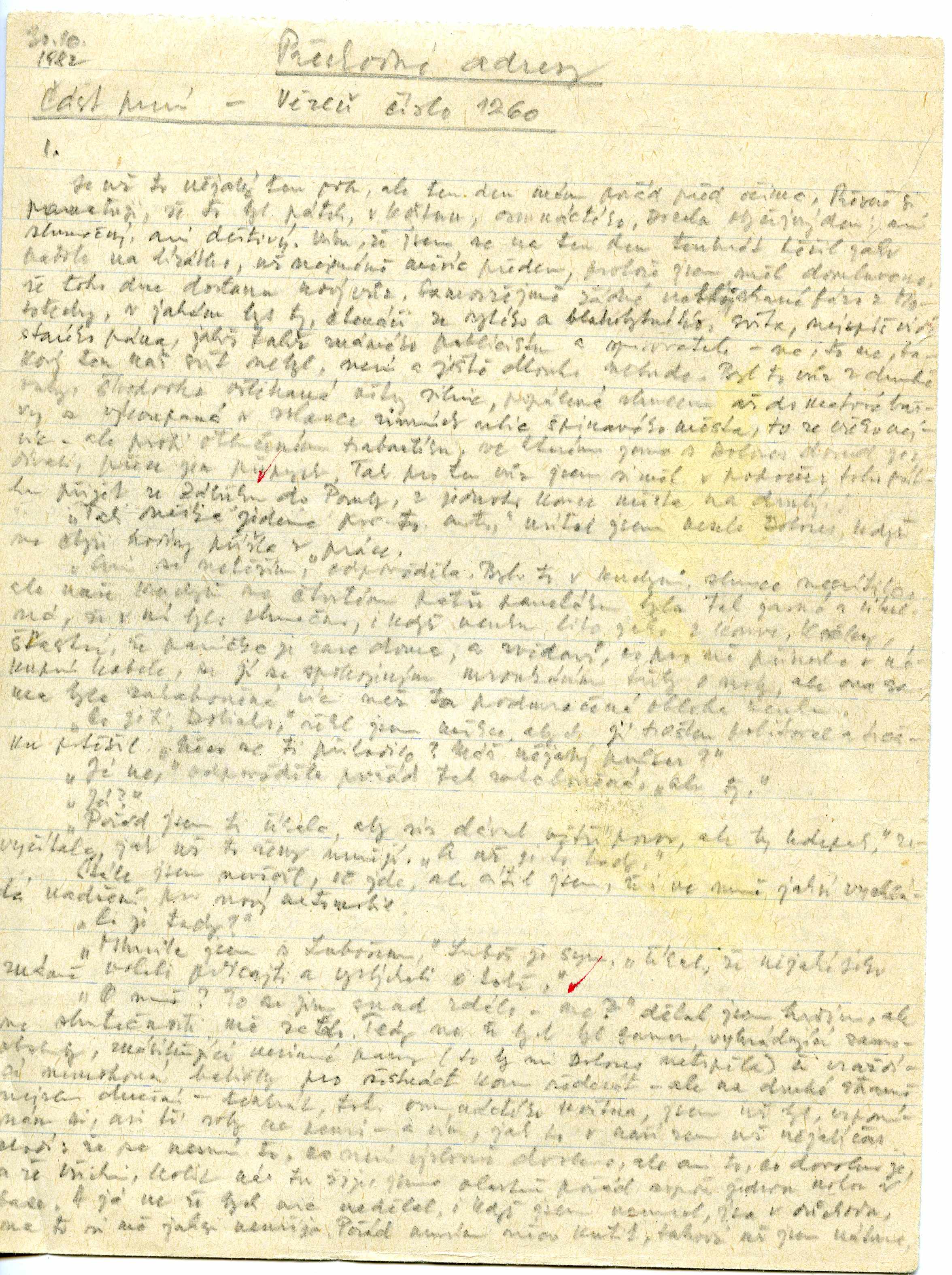
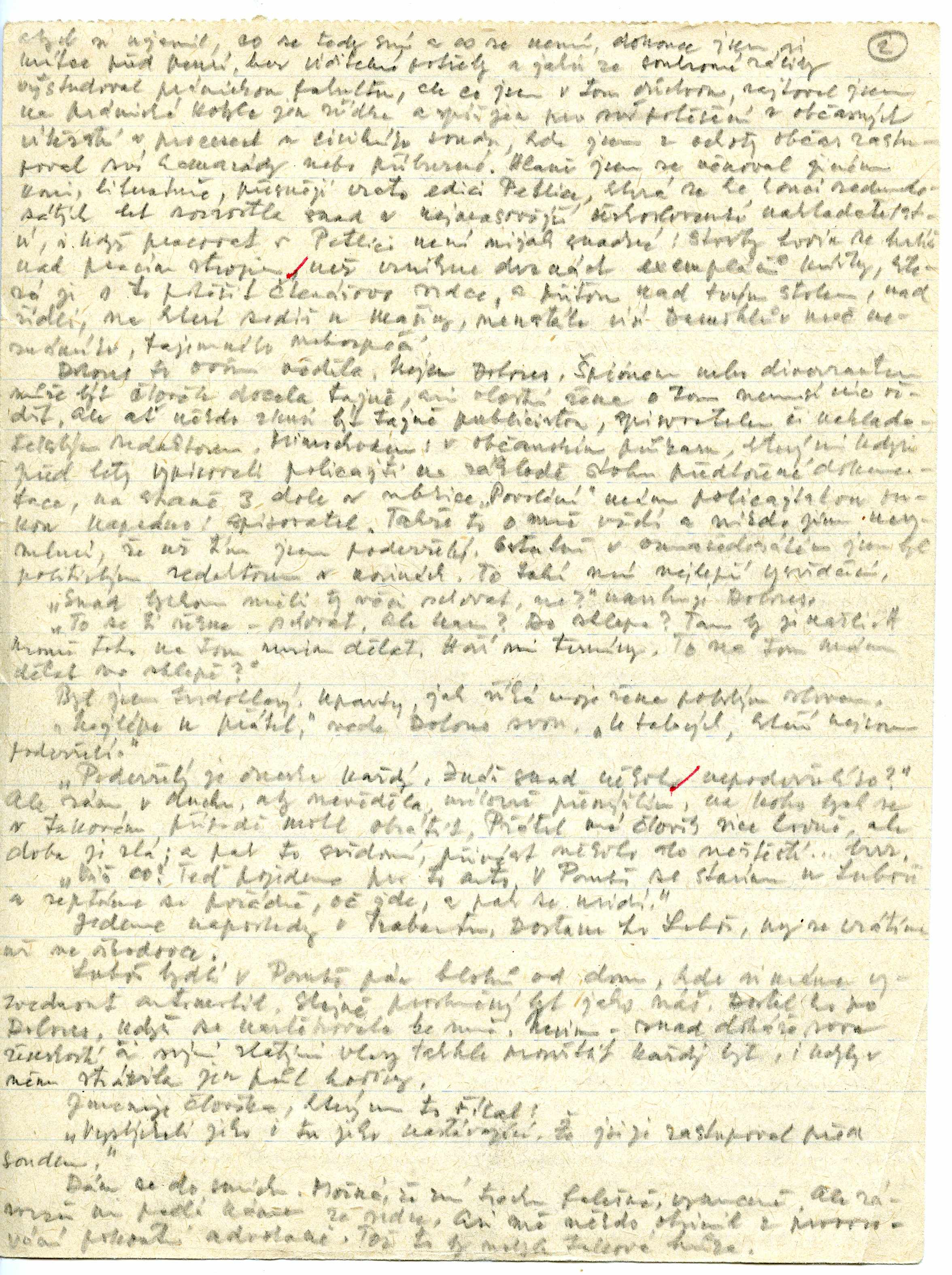 Šavrda, Jaromír. The Prisoner No. 1260, 1982. Manuscript
Jaromír Šavrda, a writer, poet, journalist and dissident from Ostrava, was, because of his samizdat activities, twice held in the custodial prison in Ostrava and later imprisoned in Ostrov nad Ohří, first from September 1978 until March 1981 and then from September 1982 until October 1984. During his second stay in prison, Šavrda wrote two books reflecting his experiences as a political prisoner; they depict his personal experiences from police persecution and describe the lives of people that Šavrda met in prison. The first of the books was “Vězeň č. 1260” (The Prisoner No. 1260), written between September and November 1982 and published as samizdat, followed by “Ostrov v souostroví” (The Island in the Archipelago), written by Šavrda between November 1982 and January 1983. After his return from prison, this two texts were published in 1987 as an omnibus called “Přechodné adresy” (The Temporary Addresses), at first in samizdat edition Popelnice and then in edition Expedice. “Přechodné adresy” was first officially published in the 1990s (Ostrava: WMCG 1991, 1993). Both texts were also published separately with original titles in 2009 (Prague: Pulchra, 2009). “Přechodné adresy” (2009) is also a name of a documentary film about Jaromír Šavrda directed by Petra Všelichová.
 State Security and the Bulgarian Intelligentsia
The collection includes documents (archival material) stored in the archive of the "Commission for the Disclosure of Documents and Announcing Affiliation of Bulgarian Citizens with the State Security and the Intelligence Services of the Bulgarian People's Army", commonly called "Commission for Dossiers" (Comdos) in Bulgarian.
The collection documents developments among the Bulgarian intelligentsia during the communist regime through the perspective of the secret police and reveals their strategies of observation and persecution of critical intellectuals.
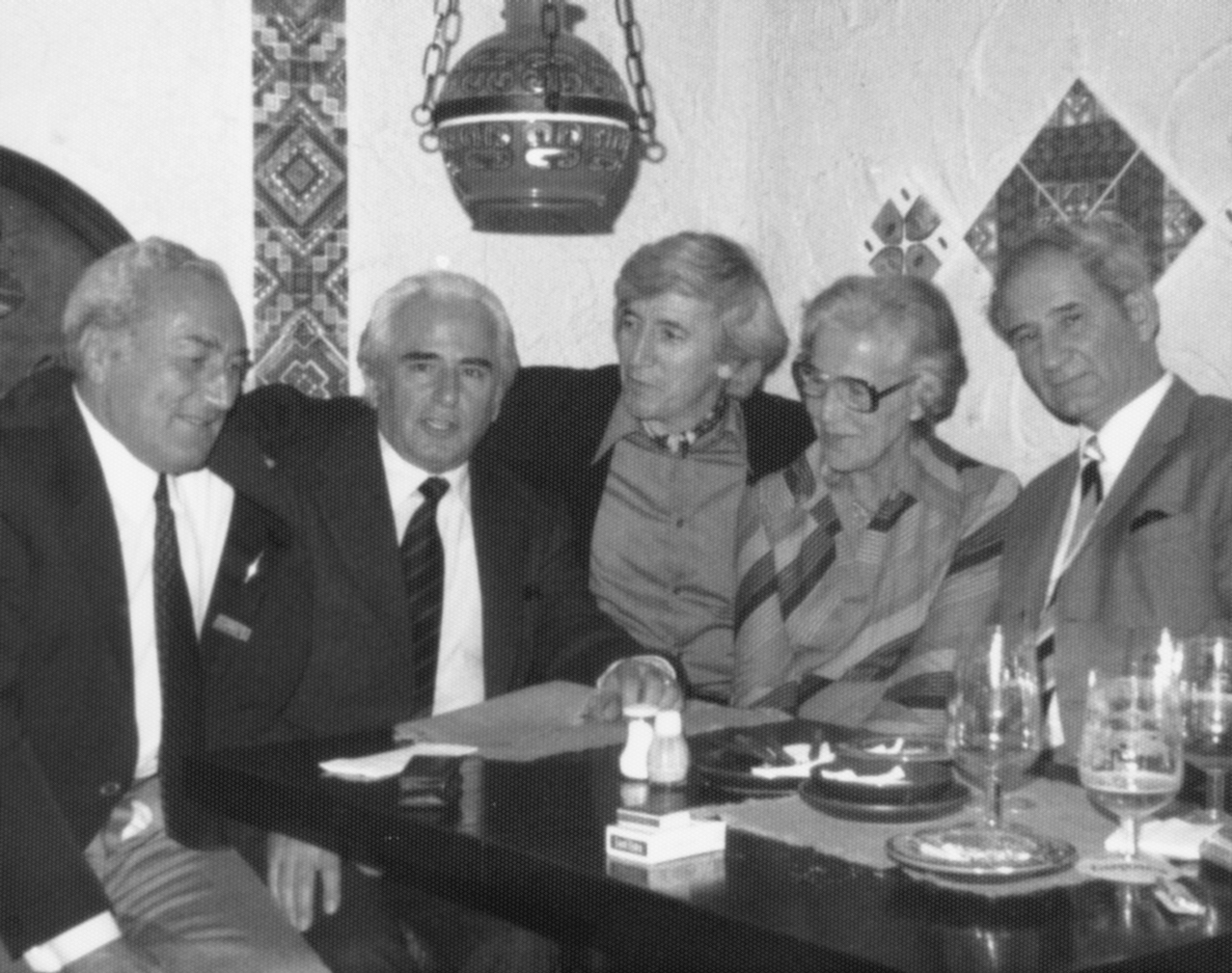 Hristo Damyanov Ognyanov Collection
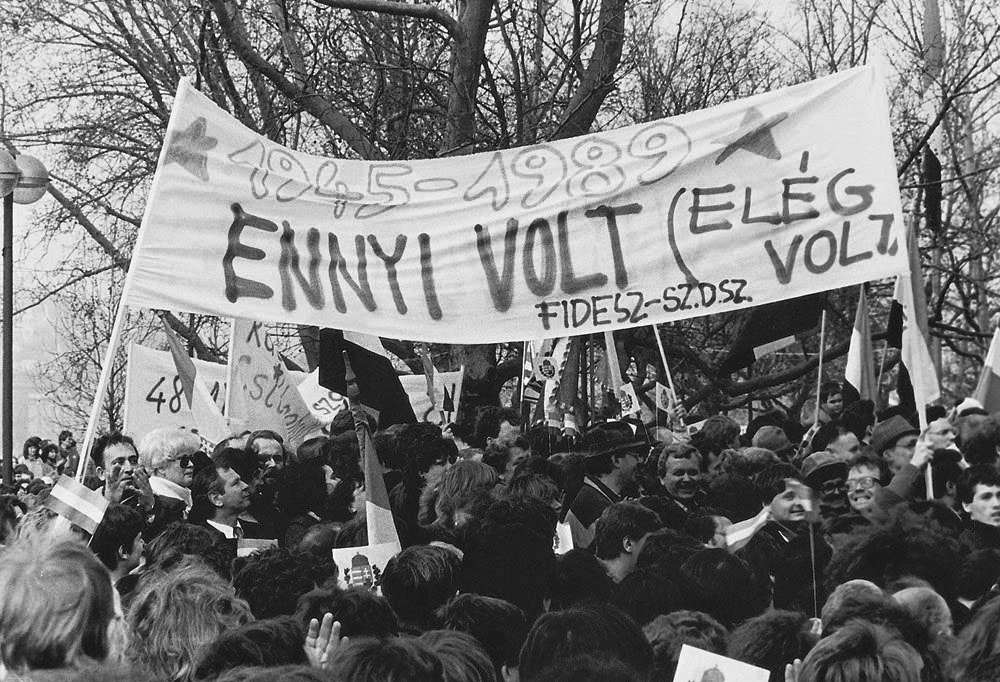 Project for supporting democratic organisations, In: ’Yearbook of Soros Foundaton–Hungary 1989’, 1989. Publication
The Soros Foundation Hungary project in support of new democratic organizations in 1989–1990
By the spring of 1989, Hungary had managed to halfway through the process of political transition: the political monopoly of the one-party communist system had already been shaken, but civilian society and democratic forces still could not break through the colossal structure of the forty-year-old monolithic regime. There were fewer and fewer legal and political barriers to democratic organizations, and the main obstacles were the lacks of finances and media coverage concerning the awakening society and the political opposition. Independent media channels and organs in the print press which could inform the public efficiently about major political changes were still badly needed in the country. Similarly, there was not adequate public space or office infrastructure for the newly launched local and national movements, proto-parties, organizations, student clubs, trade unions, etc. The accelerated process of forming new parties, together with the beginning of the Roundtable Sessions of the Democratic Opposition and then the Nationwide Negotiations made it clear that the traditional semi-conspiratorial, amateur strategies used by the oppositional forces were wholly insufficient to remove the old monopoly power system.
From the outset, Soros Foundation Hungary (HSF), as the main supporter of independent civilian initiatives, realized that it was time to overtly “underwrite democracy,” to borrow from the title one of the books by Soros. In the spring of 1989, Soros publicly offered a sum of one million US dollars in support of the newly launched democratic organizations. The grand curatory (the main decision-making Advisory Board) discussed the practical details of the planned project at two sessions. The call for applications was then published, and an operative staff was formed in May to manage the project, led by László Sólyom. It included Gábor Fodor, Elemér Hankiss, László Kardos, and a dozen members of the SFH secretariat.
The new support project, as was expected, became extremely popular within a short period of time, and the deadline for the submission of applications was eventually extended six times to eighteen months, with more than double the sum Soros originally had intended to spend on the project. (It proved to be an almost ceaseless rally, which is well reflected in the fact that, as late as October 1990, there was still a package of 25 new applications for support waiting to be assessed, most of them convincing cases with rightful claims.) In 1989, 353 applications were received from various parts of the country. During the first year run of the project, the Advisory Board of the Soros Foundation Hungary approved claims made by 157 applicants and donated a total of 44 million Hungarian forints. It also distributed badly needed office equipment: 49 copy-machines, 26 computers, 12 telefax machines, 6 phone sets with recording machines, and 3 laser printers.
Some of the successful applicants gained support from the Soros Foundation Hungary in 1989–1990:
Nationwide movements, and organizations: League to Abolish Capital Punishment, the Independent Lawyers’ Forum, the International Service for Human Rights, the Asylum Committee, the Press Club for Free Public Speech, the Raoul Wallenberg Society (Budapest-Pécs) Committee for Historical Justice, the Foundation for Aiding the Poor. Trade unions: the League of Independent Democratic Trade Unions, the Trade Union of Employees of Public Collections and Cultural Institutions, the Educators’ Democratic Trade Union, the Solidarity Alliance of Workers’ Trade Unions, the Scientific Workers’ Democratic Trade Union, the Chemical Industry Workers’ Democratic Trade Union. Church organizations: (Lutheran) the Evangelical Youth Association, the Association of Christian Intellectuals, the Ecumenical Fraternal Society of Christians, the Hungarian Protestant Cultural Society. Minority organizations: the Association of Transylvanian Hungarians, the Rákóczi Union, the Hungarian Jewish Cultural Society, the PHRALIPE Independent Gipsy Association, the FII CU NOI Roma Society. Environment Protection: the Danube Circle, the Independent Center for Ecology, the Holocén Society for Nature Protection.
Of the roughly 500 applicants, 201 organizations and organs (printed press, local radio and tv channels) received valuable financial and material help from the Soros Foundation Hungary. The project, the deadline for which was extended six times, lasted until late 1990, and it distributed more than double the originally offered sum, i.e. significantly more than two million USD.
The complete archival collection of the project (applications, letters of support, secretarial reports, minutes of curatory sessions, press clippings, and files of the former secret police) can be found in the OSA-Blinken Archives. The detailed list of the organizations which were given support were also published in the 1989 and 1990 Yearbooks of the Soros Foundation Hungary. See their online version here.
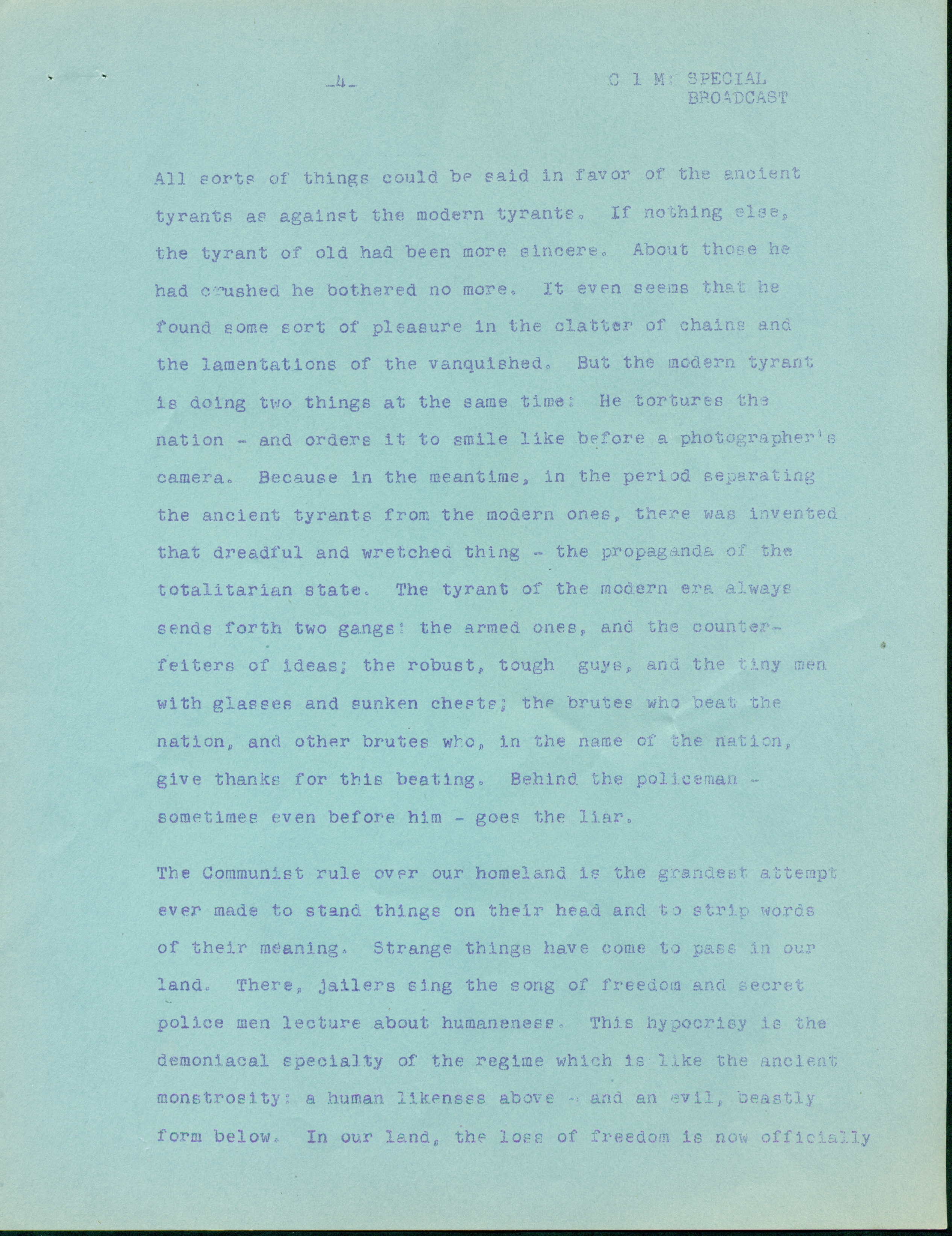 Peroutka, Ferdinand. Inaugural Speech in the RFE, 1951. Typescript
Ferdinand Peroutka, who represented the democratic past of Czechoslovakia, and mainly the First Czechoslovak Republic, became the director of the Czechoslovak section of Radio Free Europe (RFE) in New York on 6 April 1950. The Czechoslovak service of the RFE began its regular broadcasting from Munich on 1 May 1951 with the famous phrase “This is the voice of Free Czechoslovakia, Radio Free Europe.” One of the first speakers was also Ferdinand Peroutka, who stated, besides other things: “One magazine would mean little in a country where freedom reigns. But one free magazine, one radio station in a dictatorial regime – that is a revolution, because such a system is based on the fact that only the government can speak and nobody can answer back, that anyone can be charged, but nobody can defend themselves. However, once even a fraction of freedom enters that rigid and artificial system, from anywhere, once it is again possible to set argument against argument, once it is no longer possible to act without criticism, once there is a place to call untruths into question, then this whole proud system quavers.”
The Literary Archives of the Museum of Czech Literature possesses a mimeograph copy of the typescript of this speech.
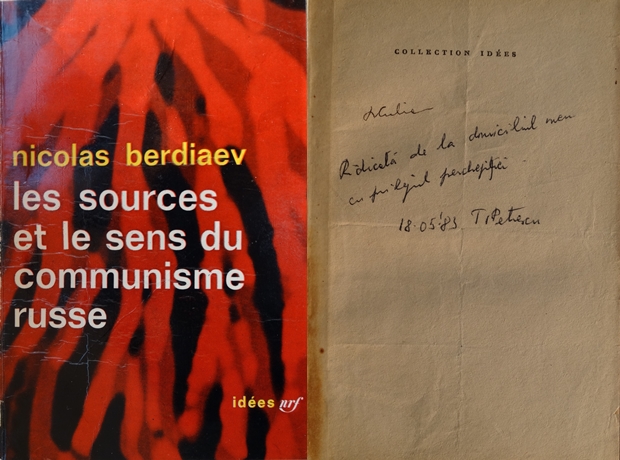 Securitatea. Report of house search, in Romanian, 18 May 1983
The document that records the extent of the search carried out at the home of the Petrescus on 18 May 1983 is in the family’s private collection in an original copy, made out by the officers who took part in the event. Another two copies were kept by the communist authorities of the time. The minute records that the Petrescus were present at the search, as were two witnesses. It consists of four pages, very clearly written, and is made out in the name of the Iaşi County Inspectorate of the Securitate. Each page is signed both by the representatives of the forces of control and repression and by the witnesses and the couple themselves. The document lists the objects that were kept by the Securitate on this occasion: books; audio cassettes, including one containing a recording of Virgil Ierunca’s broadcast on Radio Free Europe in which he highly praised Dan Petrescu and other young intellectuals in Iaşi for their articles in the student magazines Dialog and Opinia Studenţească; rolls of recording tape; photographs; letters from various people; pages of notes; and a folder labelled “Furrows across the baulks – feuilleton novel of the collectivisation,” containing forty-five leaves of the manuscript of this collective novel. Among the books confiscated were some that later became classic works of critical analysis of the communist system, but which were very recent publications at the time, for example La Nomenklatura, les privilégiés en URSS by Mikhail Voslensky (1980) and L'Union soviétique survivra-t-elle en 1984? by Andrei Amalrik (1977). There were also critical works on Romanian communism published by Romanian writers in exile, such as La Cité totale by Constantin Dumitrescu (1980). The couple managed to save some books from confiscation, but of those removed from their home by the Securitate only one was given back to them, though it is not clear on which criteria this particular book, Les Sources et le sens du communisme russe by Nikolai Berdyaev, was returned – perhaps because it dated from 1938, so was much older than the others. Thérèse Culianu-Petrescu recalls how they managed to hide some of the most critical, and implicitly the most incriminating books: “The next day, 18 May 1983, at six o’clock sharp in the morning, the guys burst in. […] At first they were very pleasant. They gave us time to get dressed, and those minutes gave us a chance to remove some books, to give them to my aunt, who stuck them under her jacket, under her overcoat. Solzhenitsyn, for example. We saved the Gulag and a few others. My aunt took them into her room, where they had no mandate to enter and where they didn’t think of entering. [… Wherever they had a mandate,] they left nothing untouched. Nothing, nothing. You realised that you could hide something anywhere, in the garden, in the house, in the woodshed, and they would rummage around and they could find it. They were capable of moving everything, of going through everything.” And regarding the immediate consequence of the search, interrogation at the Securitate headquarters, she adds: “The search lasted approximately five hours. From six in the morning to eleven. […] Then they took us up – ‘up’ meaning to the Securitate. It was on a street named Triumfului. Now after 1989, the gangs of Securitate people have built a district of apartment blocks that they own.” Dan Petrescu adds, with regard to the manner in which those who came conduct the search acted in order to find what interested them, underlining that the Securitate was particularly interested in a cassette with the recording of a Radio Free Europe broadcast, in which some young Iaşi writers had been highly praised, among them himself, and in the manuscript of the collective novel: “They had come on the basis of information, for they were looking for certain things. They were looking for a recording of a broadcast on Radio Free Europe where [Virgil] Ierunca praised us and… they were looking for books […] They confiscated a lot of books from us. Only one was given back to us, after the search. Berdyaev – his book about the sources and the meaning of communism. At the same time they asked me about the novel [“Furrows Across the Baulks” revisited]. I said to them: ‘Why are you still looking for it? Because you’ve already got it.’ They had taken it from George Pruteanu. […] It didn’t exist in more than one manuscript. There were no copies. It passed from one to the next and each one added to it. They were also looking for letters in the search.” Dan Petrescu adds, to give a clearer picture of those months, another detail that casts a new light on that moment: “The search took place, at our home, in May 1983. In March, I found out later in documents at CNSAS, the Securitate guys had made new recruits in literary circles in Iaşi. Ten new names. In editorial boards of periodicals, publishing houses, that sort of thing.”
 Institute of National Remembrance Archives
The Institute of National Remembrance – Commission for the Prosecution of Offences against the Polish Nation (IPN) was created under parliament act of 1998 and is a state body authorised to carry out research, educational, archival, investigative, and vetting activities. The head office is located in Warsaw and there are 11 branch offices in larger cities, as well as 7 delegations. The historical scope of Institute’s activities is very ample, as its operations concern the period from 1944 to 1989. Its tasks include collecting and managing national security services’ documents created between 22 July 1944 and 31 July 1990, as well as investigating Nazi and communist crimes - against Polish nationals or Polish citizens of other nationalities - committed between 8 November 1917 and 31 July 1990. Other important activities include scientific research and public education. Institute of National Remembrance collaborates closely with State Archives, veteran organisations, historical associations and foreign agendas involved in research and commemoration of the recent history, in particular history of Central-Eastern Europe.
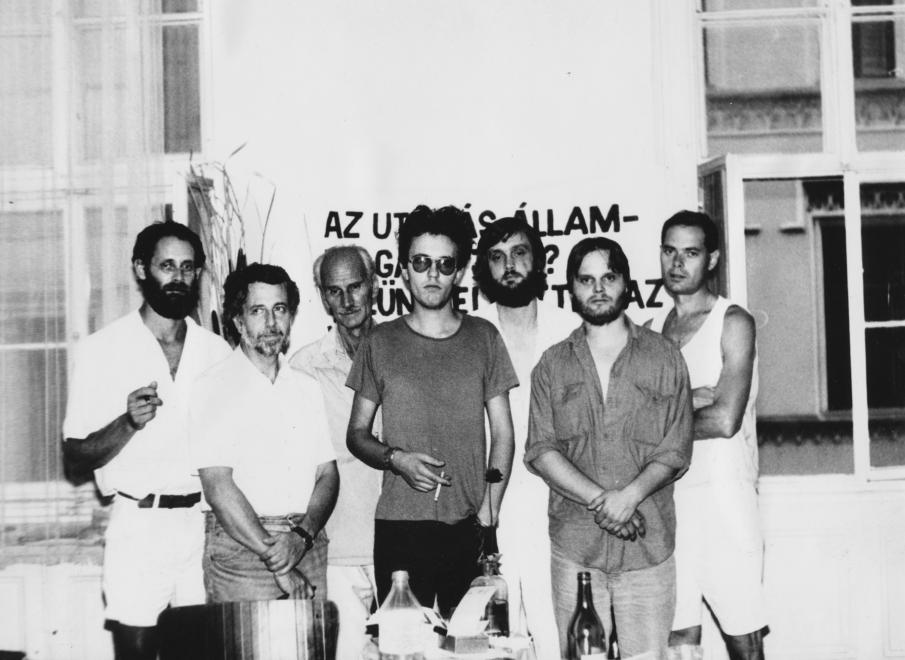
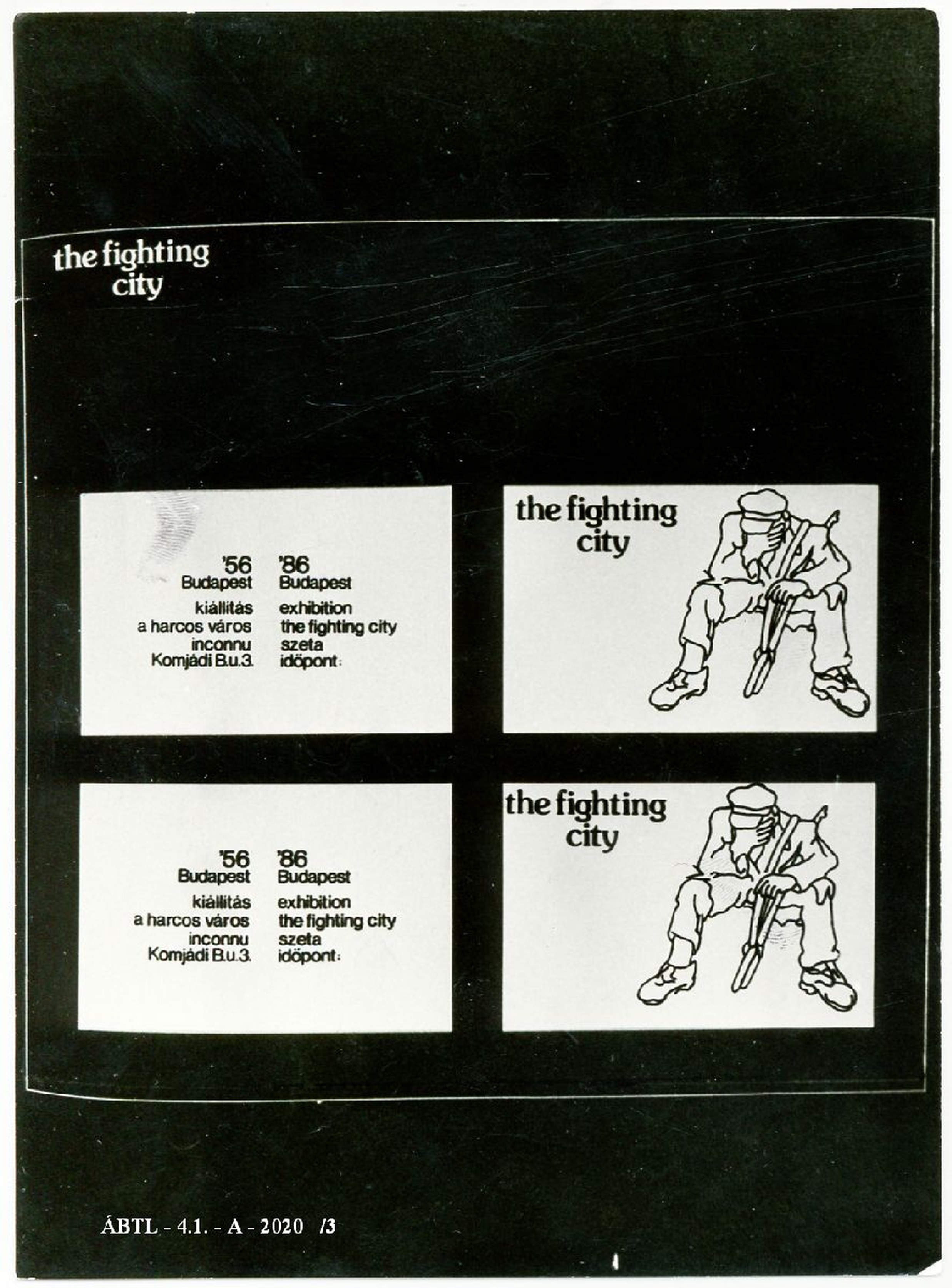 Inconnu Art Group. State security photos of a banned exhibition
The exhibition entitled “A harcoló város/The Fighting City, 1986” was organized by the amateur artist group Inconnu to celebrate the 30th anniversary of the Hungarian Revolution of 1956. The police banned the event on the opening day and destroyed the artworks. However, before that, an agent took photos of the compositions. Thus, the secret police itself created, through the act of destruction, a group of sources which is today the single visual trace of the exhibition. This photo collection is kept in the Historical Archives of the Hungarian State Security Forces (Állambiztonsági Szolgálatok Történeti Levéltára – ÁBTL).
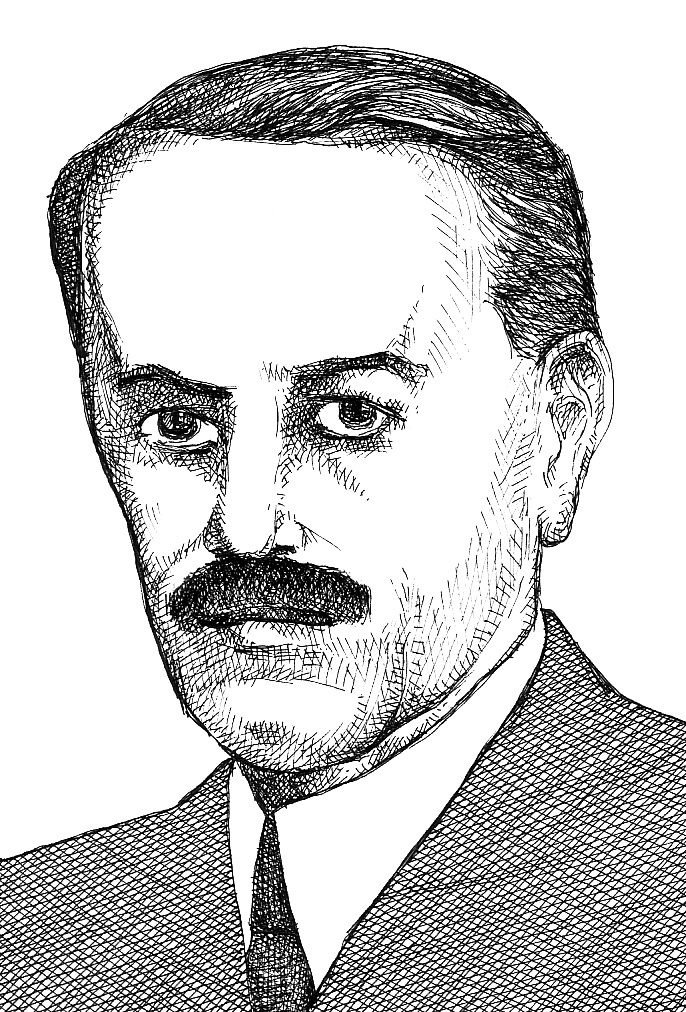
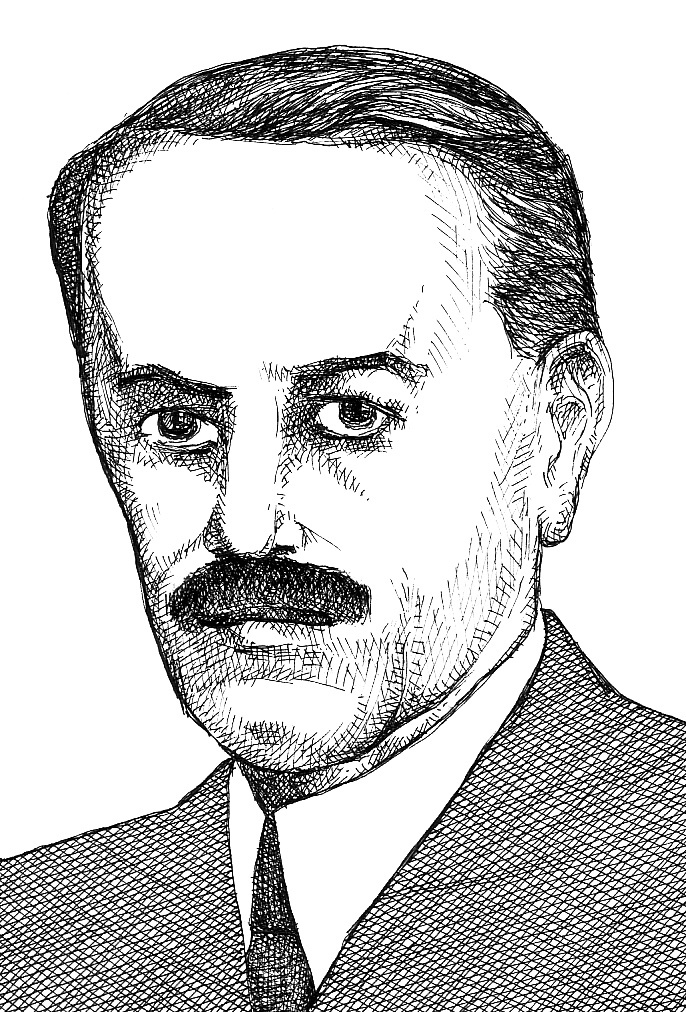 Historical Collection of the Jakabffy Elemér Foundation
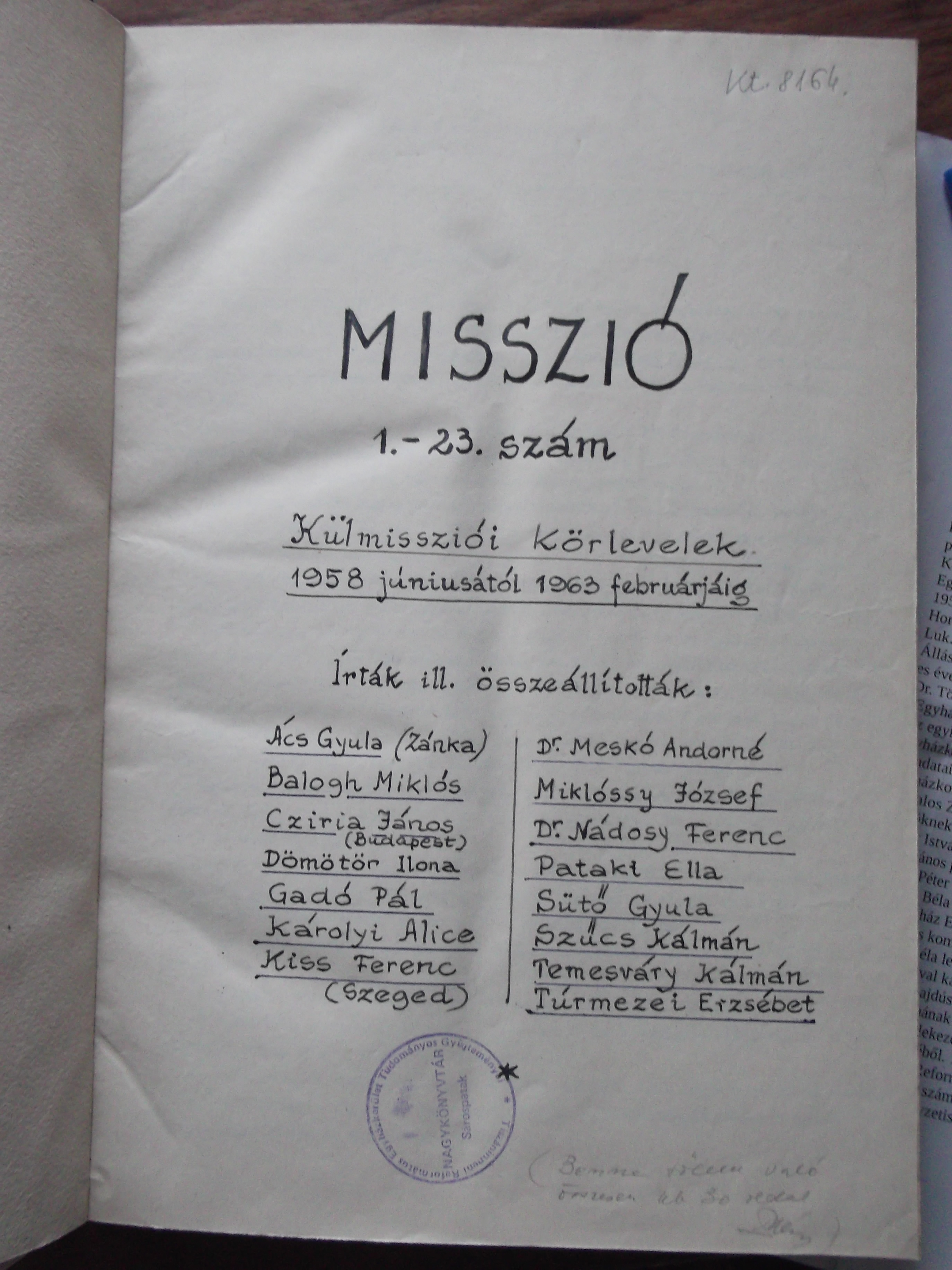
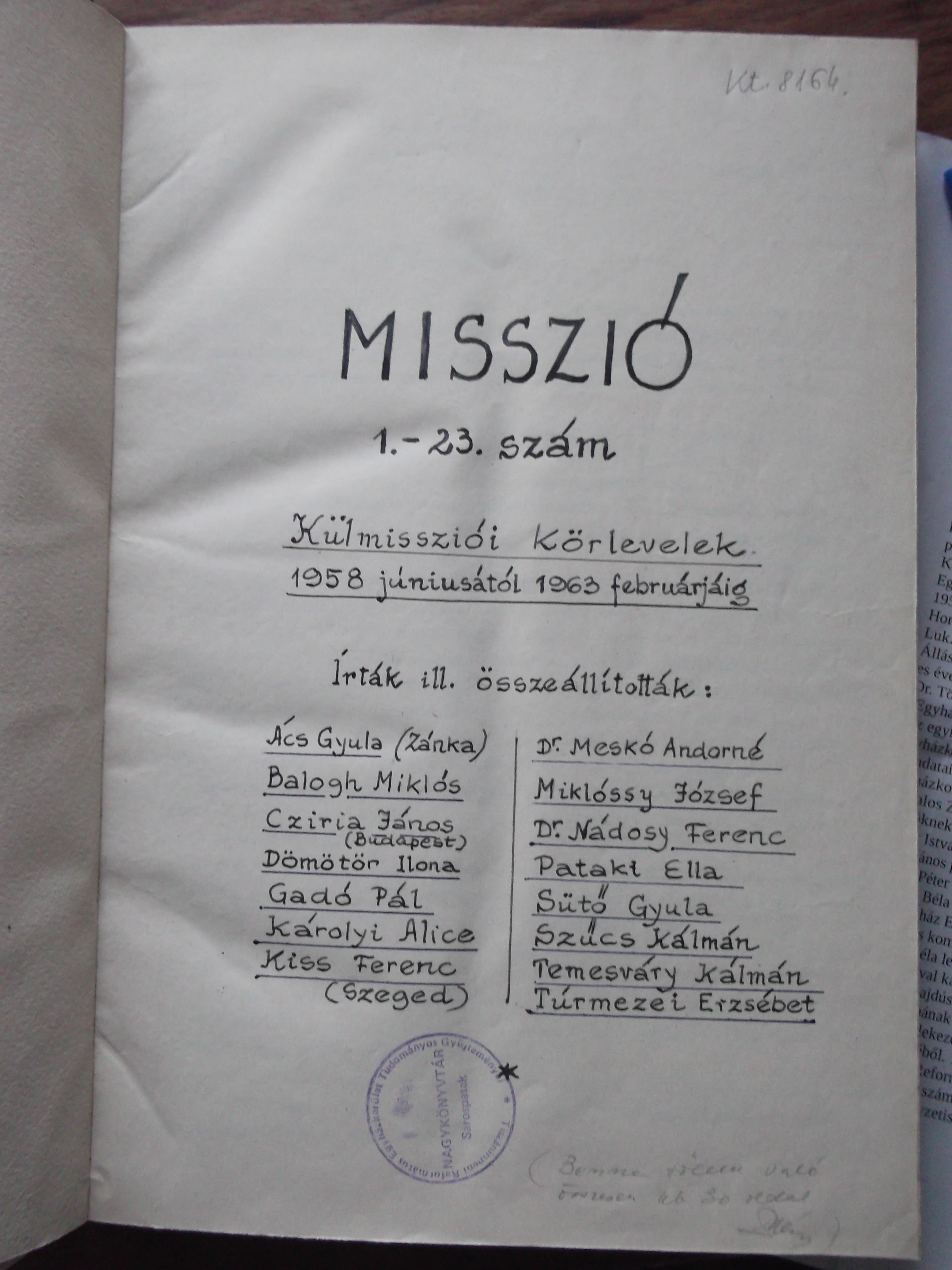 Mission, 1963. Samizdat
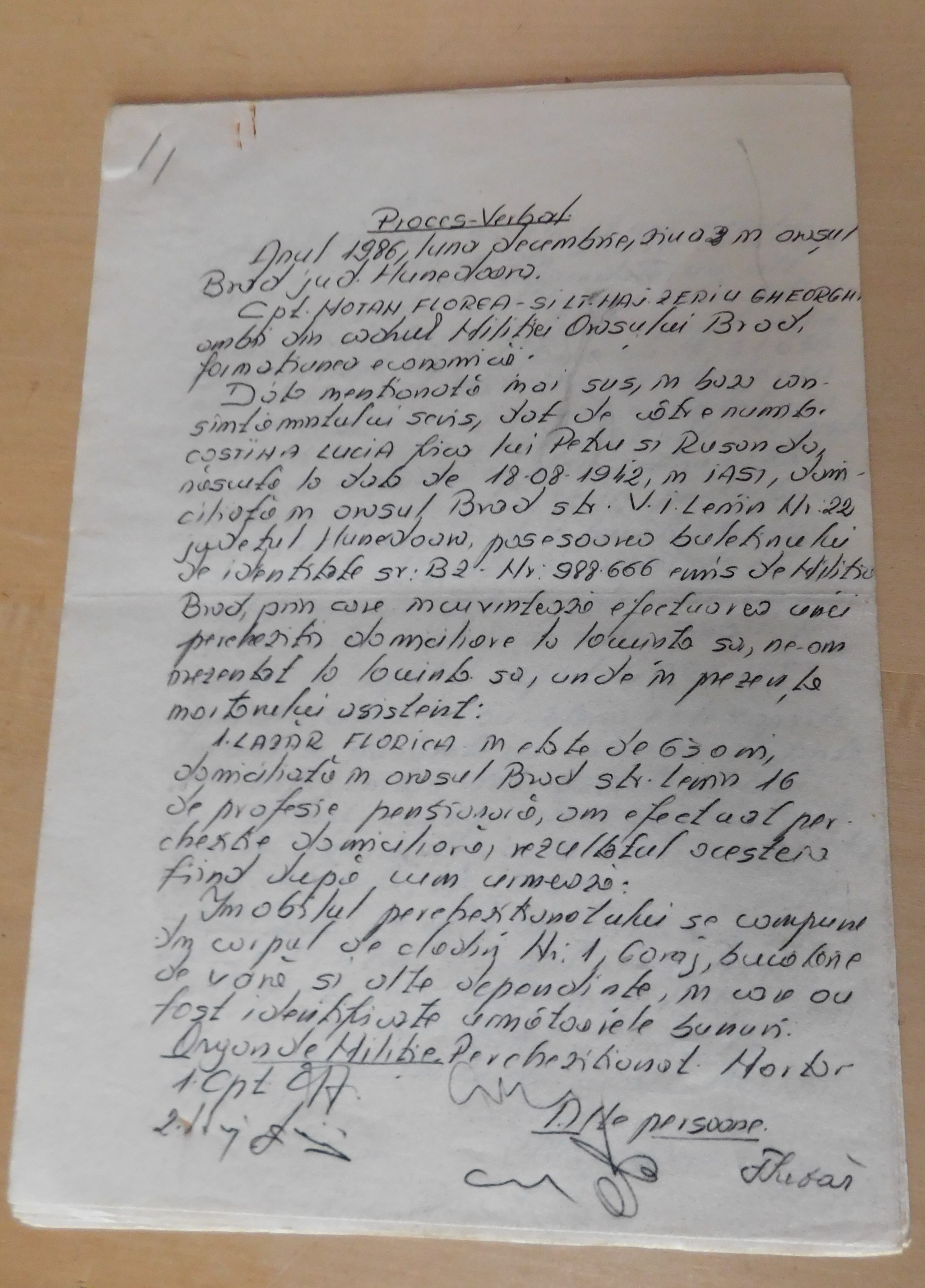 Militia. Report on the house search, in Romanian, 1986
The document reproduces the report drawn up by two representatives of the communist Militia following the search carried out on 3 December 1986 for the purpose of investigating the possible illegal basis of the collection of art stored in Brad at the home of Dr Sorin Costina. Under Law 18/1968 regarding the control of the provenance of goods not acquired through legal means, the possessions of any physical person could be checked if there were “data or indications,” basically meaning information collected through informers, pointing to “an evident disproportion” between the estimated value of a person’s possessions and the income legally obtained by that person. The text of this minute, drawn up in the wooden language of the communist authorities, does not identify in its conclusions any illegality that might have been found as a result of the search. However it is highly relevant with regard to the manner in which the communist authorities penetrated the private lives of citizens. The document mentions that the search lasted approximately three hours and provides in ten hand-written pages a detailed inventory of all the items found in the Costina family home. It was drawn up in three copies, one of which, in the original, is now in the Costina family archive.
 'Ramka' [Illegal Printing Tool], 1981. Object
Gábor Demszy’s collection contains not only samizdat books and journals but also objects. The ramka (bolting-cloth stretched on a wooden frame) was a tool used in the samizdat printing process and today constitutes an important relic object of this technique.
 Collection of Historical Interviews at the National Széchényi Library
 Securitate. Plan of Action against Goma and his supporters at RFE and in the Romanian emigration, 17 March 1977
The Goma Movement Ad-hoc Collection includes numerous plans of action against the individuals involved in supporting the open letter of protest against the violation of human rights in Romania which was to be addressed to the CSCE Follow-Up Conference in Belgrade. Each Securitate informative surveillance file contains periodically updated plans of action, but these usually required only the approval of the high-ranking Securitate officer in charge of the case of the person in question. What is remarkable about this plan of action, which is part of Goma’s personal file, is its endorsement by the highest possible office holders in the Ministry of the Interior, to which the Direction of State Security was directly subordinated in 1977: the plan was countersigned by Nicolae Pleșiță, first deputy minister, and finally approved by Teodor Coman, the minister of the interior himself. Obviously, the hierarchical level of those who endorsed this plan indicates the great importance attached to this case. It is worth noting that the “successful” handling of the Goma Movement, in which Pleșiță involved himself and acted as Goma’s head interrogator, led to his promotion to the rank of lieutenant general in 1977. The same year, he coordinated the repressive measures taken by the regime in the aftermath of the Jiu Valley miners’ strike of August. Pleșiță remains notorious, however, for his actions while head of the Centre for Foreign Intelligence between 1980 and 1984, in particular for the 1982 failed attempt at suppressing Goma while in exile in Paris, and for the 1981 bomb attack on the RFE headquarters in Munich, for which the Securitate seems to have hired the infamous terrorist known as Carlos the Jackal. After 1989, Pleșiță showed no remorse for his misdeeds, and all attempts to hold him legally responsible for these wrongdoings eventually failed.
To return to this particular Securitate plan, its content and date of issuance illustrate that it was just an intermediate stage in the devising of actions meant to disintegrate the emerging movement. Chronologically, the date of issuance, 17 March 1977, is over a month after the open letter of protest against the violation of human rights was made public by Radio Free Europe, and thus it is entitled “plan of action for continuing the actions for annihilating and neutralising the hostile activities which Paul Goma initiated, being instigated and supported by Radio Free Europe and other reactionary centres in the West.” At the same time, it is a plan one step short of Goma’s arrest, which occurred two weeks later, on 1 April 1977. The document includes four separate types of action. The first type consists of the so-called “actions of discouragement, disorientation and intimidation,” which were directed mainly against Goma, but the necessity of tackling his supports separately is also mentioned. This type of action consists mostly of various forms of harassment up to the level of deporting him outside Bucharest in order to seclude him from his channels of communication across the border. These actions of rather soft repression were to be accompanied by attempts bring this problematic episode for the Securitate to a faster and neater end by convincing Goma to either give up or emigrate. The second category of actions included the use of the foreign press and publications in the attempt to compromise Goma and implicitly the movement for human rights initiated by him among the Romanian emigration and the Western audience. The third category referred to actions of counterbalancing the denigrating messages broadcast by Radio Free Europe, which was the radio agency that helped Goma the most. Finally, the fourth category consisted of actions to compromise Goma among the personnel of Western embassies in Bucharest, with the aim of depriving him of his channels of communication with RFE or other members of the exile community (ACNSAS, Informative Fonds, File I 2217/6, f. 109-112). All these measures failed, and thus Goma was eventually arrested and brutally interrogated, including by First Deputy Minister Pleșită himself, but liberated approximately a month later, on 6 May 1977, due to the massive protests of the Romanian emigration in Paris, which managed to convince many outstanding personalities to sign a petition for his release. This plan of action testifies to the Securitate practice of spreading calumnious rumours about all those who spoke against the regime in order to defame and isolate them. As Goma himself observes, “a document of great importance for me. (…) I knew that (…) the [calumnious] rumours and gossip (…) were inspired by the Securitate. Now I have the proof that the Securitate was not only inspiring, but also authoring them” (Goma 2005, 397).
 "Mozgó Világ." Collection of a Prohibited Journal
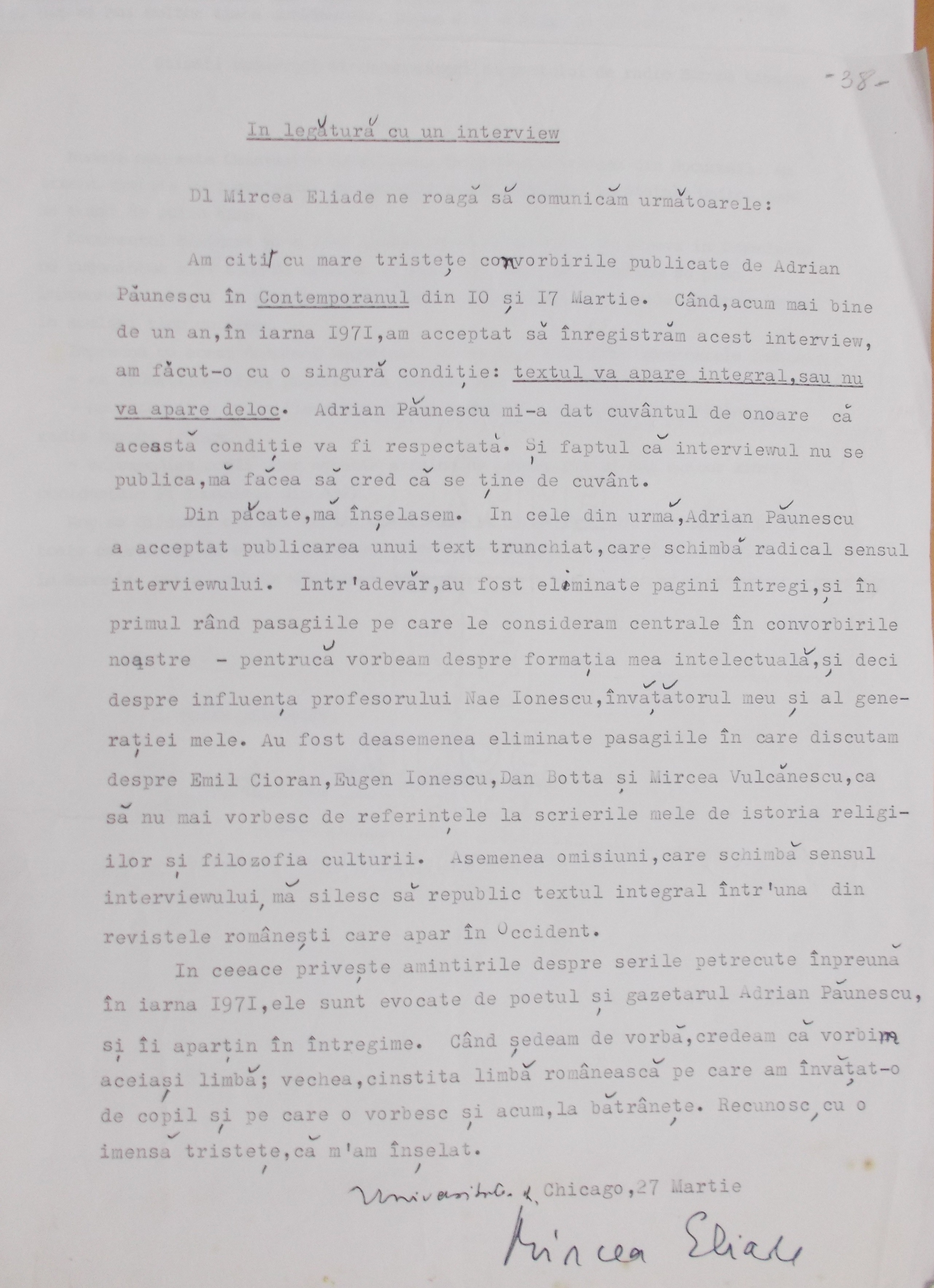 Eliade, Mircea. Letter to Monica Lovinescu, in Romanian, 27 March 1971. Manuscript
Monica Lovinescu and Virgil Ierunca had an intense correspondence with Romanian intellectuals in exile and a part of this correspondence is preserved in the collection housed by the National Archives in Bucharest. Among the letters preserved here there is one signed by the well-known historian of religions, Mircea Eliade. Eliade left Romania in 1940 and dedicated his entire intellectual activity in exile to the study of history of religions and the history and philosophy of culture.
In his letter of 27 March 1971, which was read by Monica Lovinescu in her broadcast on RFE under the suggestive title of Refutation, Mircea Eliade speaks about the interview he granted to Adrian Păunescu and published in the Romanian magazine Contemporanul (The contemporary) on 10 and 17 March 1971. The historian of religion underlines the fact that he agreed to answer Păunescu’s questions on condition that the interview would be published in full. To his unpleasant surprise, the conversation was drastically censored and according to Eliade, the cuts dramatically altered the meaning of the interview. Specifically, the Romanian censorship removed those parts in which Eliade mentioned autobiographical details connected to his youth in interwar Romania, such as the impact that Nae Ionescu, a very influential right-wing-oriented journalist and professor of philosophy, had on his intellectual development. Also, the names of other renowned Romanian exiles such as Emil Cioran and Eugène Ionesco were removed, as was any reference to his co-generationist, Mircea Vulcănescu, who ended his life in a communist prison. Finally, any mention of his writings about the history of religion and philosophy of culture, which were central in Eliade’s work, were absent from the published interview. Consequently, Eliade bitterly concluded that: "As for the memories of the nights spent together in the winter of 1971, they are evoked by the poet and journalist Adrian Păunescu and belong to him entirely. When we were talking, I thought we were speaking the same language: the old, honest Romanian language that I learned in my childhood and which I am still speaking now, in my old age. I admit with immense sadness that I was wrong."
The censorship of the interview can be easily understood if one considers the political and cultural context in Romania at the beginning of the 1970s. The nationalist turn of the Ceaușescu regime (Petrescu 2009, 523–544) did not result in the rehabilitation of Nae Ionescu, Emil Cioran, Eugène Ionesco, or Mircea Vulcănescu whose names were still on the list of the Romanian censorship. Moreover, the ending of the liberalisation period, marked by the so-called Theses of July 1971 on improving political-ideological education, made even more problematic the publishing of any reference to religion and history of religions. The paradox that Mircea Eliade accepted an interview with Adrian Păunescu only on the basis of the latter’s assurance that the text was going to be published uncensored in Romania can be understood if one takes into consideration the situation of the two protagonists involved. Since Mircea Eliade left Romania in 1940, he had lost touch with what was really going on in the country, and he seems to have been unaware about what censorship really meant and how it actually worked. As for Adrian Păunescu, at that time a young man of only twenty-eight and without any obvious connection with the communist regime, he had come to the United States at the invitation of several Romanian writers. Enticed by the young poet’s genuine interest in his person and work, Mircea Eliade not only agreed to grant him an interview, but also answered wholeheartedly the provocative questions asked by Adrian Păunescu, at that time a promising and uncommitted young writer (Manolescu 2014).
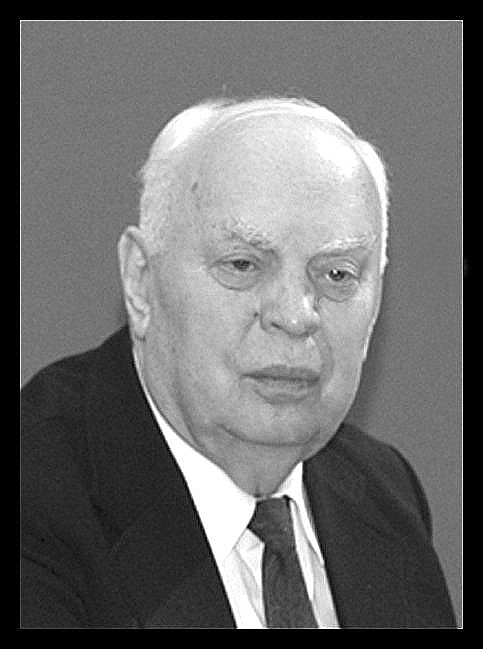
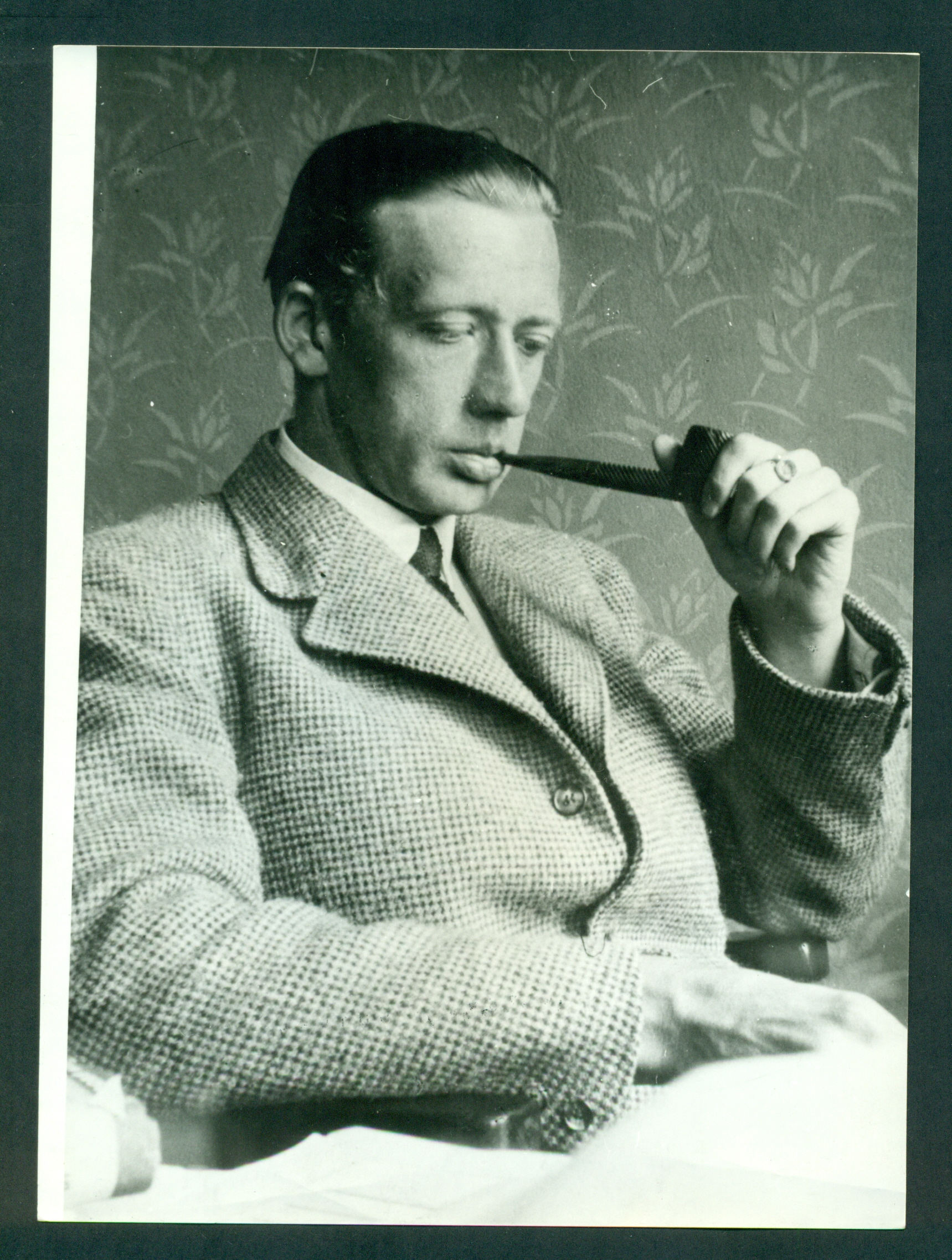
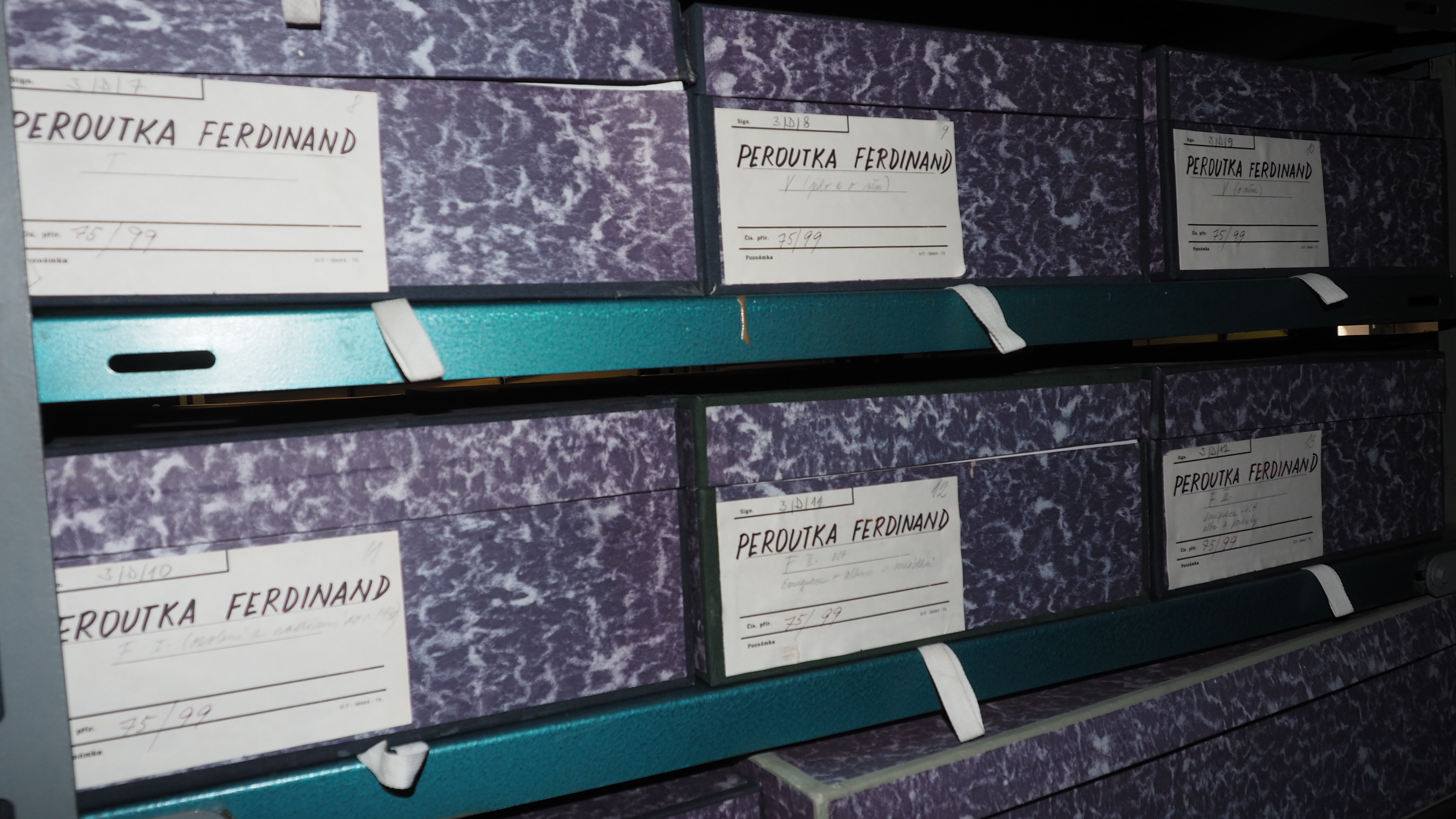 Ferdinand Peroutka Collection at the Museum of Czech Literature
The collection of the Czech journalist, dramatist and director of the Czechoslovak section of Radio Free Europe, Ferdinand Peroutka (1895–1978), contains unique sources for the history of the Czechoslovak exile after 1948.
 Central Press Supervision Authority Collection at the Security Services Archive
The Central Press Supervision Authority files, stored at the Security Services Archive in Prague, contain materials documenting the control of press and newly issued publications in Czechoslovakia from 1953 to 1968. Examples of censorship with extensive transcriptions from ‘defective’ literary works are very valuable as they include unknown information on the ways authors and editors negotiated with the censors, reveal the origins of the works, provide information on the alterations that were imposed and the existence of text variants, and they even cover prominent authors’ previously unknown works.
